

The Illusion of Cooler Temperatures
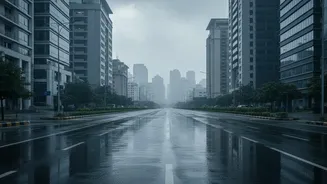
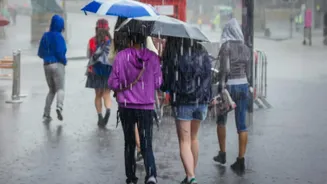
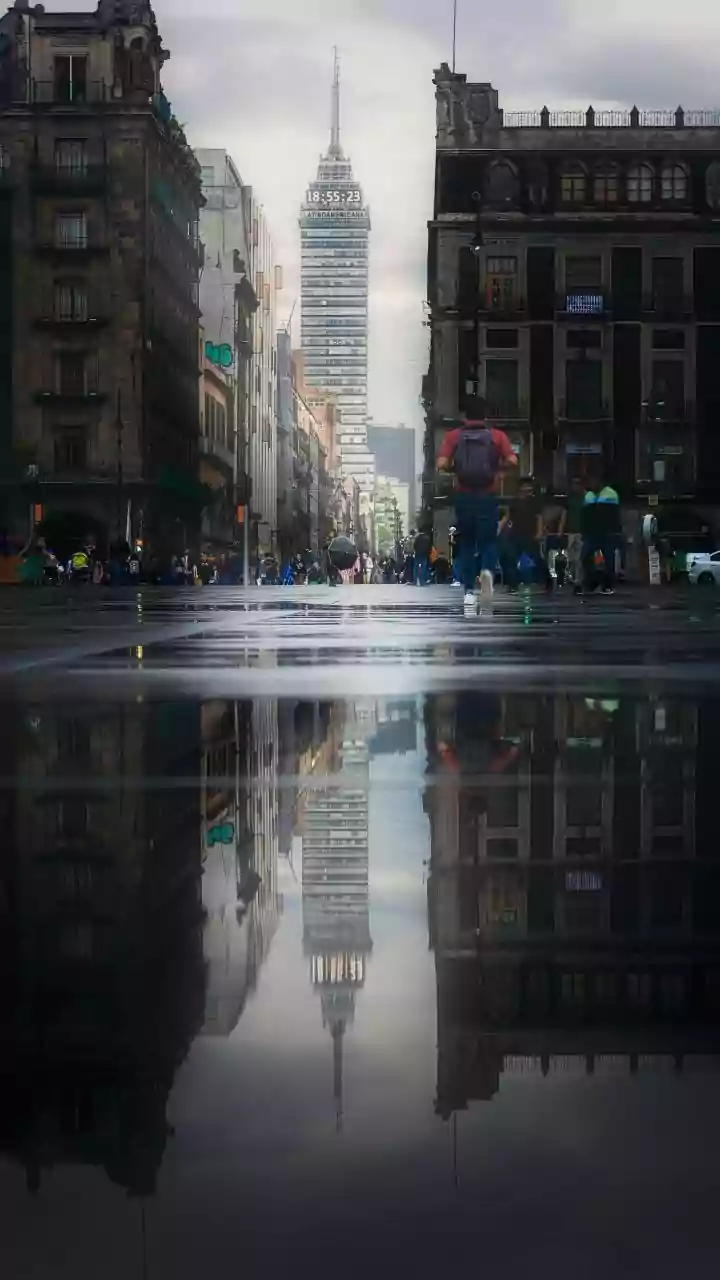
A summer downpour provides immediate, welcome relief from oppressive heat. The air temperature drops, and hot pavements sizzle as they cool. This experience leads many to believe that the danger has passed. However, the drop in the thermometer reading
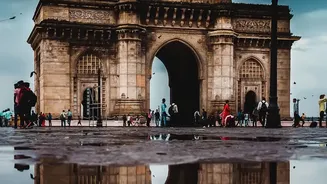
tells only part of the story. While the rain does temporarily cool the air and surfaces, it introduces another dangerous element into the urban environment: a massive spike in humidity. This surge in moisture in the air is where the real, often underestimated, danger lies. This is particularly true in sprawling Indian metropolises, where the concrete and asphalt that define the cityscape play a critical role in this hazardous relationship between heat and water.
The Humidity Trap
Our bodies have an incredibly effective natural air conditioning system: sweating. As sweat evaporates from our skin, it pulls heat away from the body, helping us to cool down. But this process only works if the surrounding air can absorb the moisture. When humidity is high, the air is already saturated with water vapour. As a result, sweat cannot evaporate efficiently. It simply sits on the skin, leaving you feeling sticky, clammy, and, most dangerously, unable to cool down. After a rain shower in a hot city, the humidity can skyrocket to near 100%. This means that even if the air temperature has fallen, the 'feels like' temperature—or heat index—can remain at dangerously high levels. Your body has to work much harder to regulate its internal temperature, significantly increasing the risk of heat exhaustion and life-threatening heatstroke.
Why Cities Stay Hotter
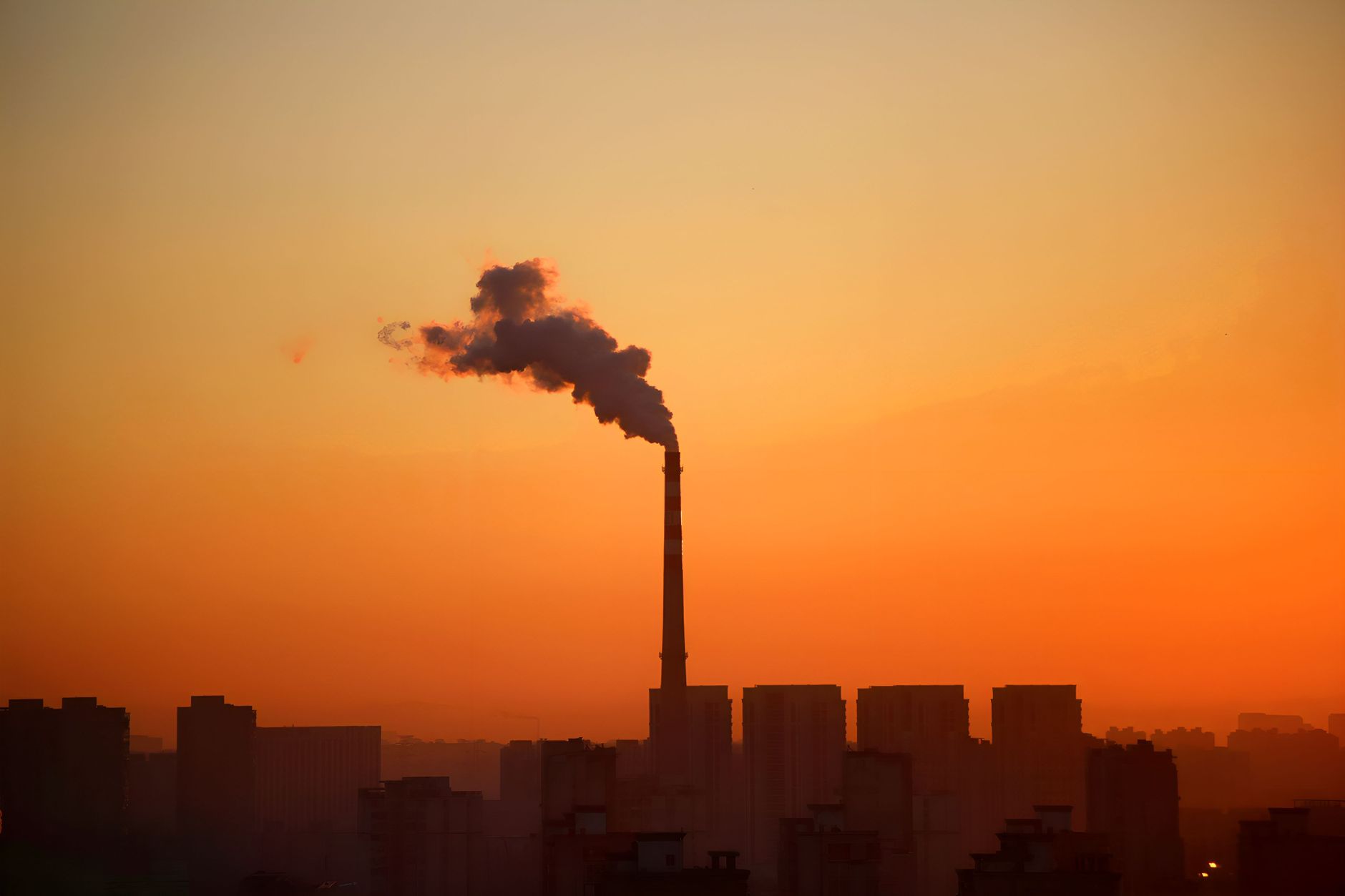
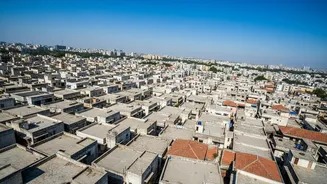
This problem is magnified by the 'urban heat island' effect. Cities, with their abundance of dark-coloured asphalt, concrete buildings, and lack of green space, absorb and retain far more solar radiation than rural areas. When rain hits these superheated surfaces, it evaporates almost instantly, pumping huge amounts of water vapour into the lower atmosphere and creating a dome of humid, stagnant air. Research has shown that the way cities are built, with smooth, large surfaces, impairs the process of convection, which is how heat would naturally be carried away by air currents. This means the heat gets trapped at street level, right where people are. So, the very infrastructure of our cities works to create a potent combination of retained heat and extreme humidity after a storm.
Understanding Wet-Bulb Temperature
To truly grasp the danger, scientists point to a measurement called wet-bulb temperature. Imagine a thermometer covered in a wet cloth. The temperature it shows as water evaporates from the cloth is the wet-bulb temperature. It is the lowest temperature an object can reach through evaporative cooling and it combines air temperature and humidity into a single, critical value for human health. When the wet-bulb temperature rises, our ability to cool ourselves by sweating diminishes. At a wet-bulb temperature of 35°C, even a healthy person resting in the shade can no longer cool their body down, and prolonged exposure can be fatal. While this is an extreme threshold, much lower wet-bulb temperatures are still hazardous and can trigger serious health emergencies, especially for vulnerable populations like the elderly, children, and those with existing health conditions.
How to Stay Safe in a Steamy City
Given that wet weather doesn't eliminate the risk, it is crucial to remain vigilant. Don't rely on the air temperature alone. Pay attention to how you feel and look for signs of heat stress, such as dizziness, nausea, or headache. Continue to drink plenty of water even if you don't feel thirsty to stay hydrated. If possible, avoid strenuous outdoor activity in the hours after a rainstorm on a hot day. Seek out air-conditioned spaces if you feel overheated. Wearing lightweight, loose-fitting clothing made of natural materials can also help. Understanding that the combination of heat and high humidity is the real enemy is the first step to staying safe.