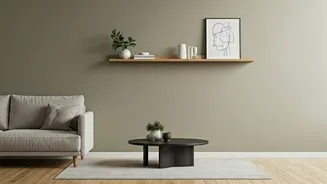




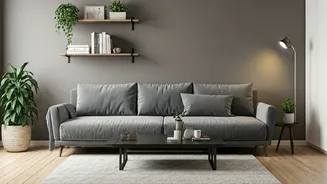


An Antidote to Urban Overload
In bustling Indian metropolises like Mumbai, Delhi, and Bengaluru, the home is no longer just a place to sleep. It’s a sanctuary, a workspace, and a retreat from the sensory overload of the outside world. This growing need for a peaceful haven has fuelled
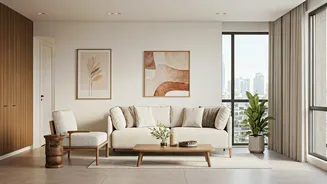
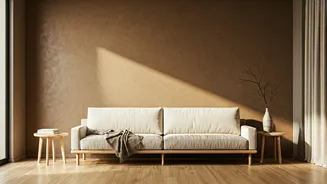
a quiet revolution in interior design: the rise of the Minimal Zen house. More than just a sparse, white-walled aesthetic, this approach is a philosophy of living. It’s about consciously creating an environment that calms the mind, reduces stress, and fosters a sense of mindful simplicity amidst the chaos.
The Philosophy of Zen Design
At its heart, Zen-inspired design is rooted in the principles of Japanese Buddhism, which emphasize balance, harmony, and a deep connection to the natural world. It’s not about stripping a home of its personality, but rather about intentionality. Every object has a purpose and a place. The design prioritises uncluttered surfaces, clean lines, and a profound appreciation for space itself. This philosophy stands in direct opposition to the consumerist urge to fill every corner. Instead, it invites residents to focus on what is truly essential, creating a sense of freedom and clarity.
The Power of ‘Ma’: The Art of Emptiness
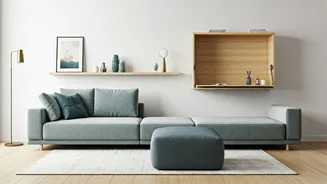
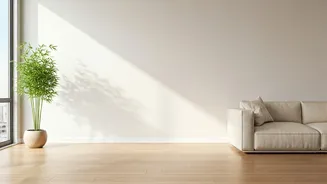
A key concept in Japanese aesthetics is ‘Ma’, which can be loosely translated as negative space or an intentional pause. In a Zen layout, the empty space is just as important as the furniture filling it. This isn't about creating a void, but about allowing room for energy to flow and the eye to rest. For compact city apartments, this principle is transformative. By resisting the temptation to over-furnish, architects and designers can make a small space feel larger, more open, and significantly more tranquil. It’s the visual equivalent of a deep, calming breath.
A Palette of Natural Materials
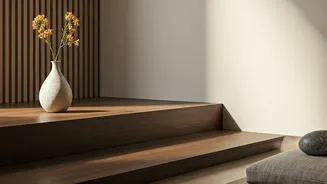
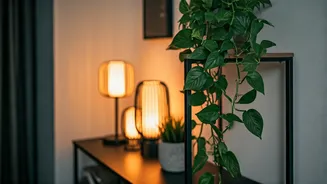
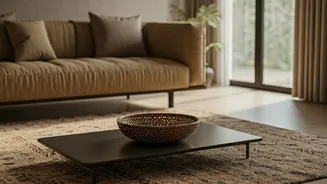
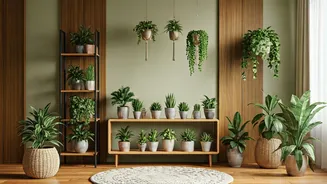
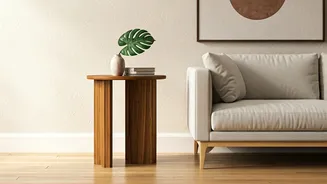
Zen design seeks to bring the outdoors in, creating a tangible connection to nature. The material palette is dominated by organic, earthy elements. Think unstained woods like oak, bamboo, and pine; the cool, smooth texture of natural stone; and fabrics made from linen, cotton, and wool. These materials are chosen not just for their beauty but for their authenticity and how they feel to the touch. Artificial and synthetic materials are kept to a minimum. This focus on natural textures, combined with an abundance of natural light, creates an atmosphere that is both grounding and uplifting.
Everything in Its Place
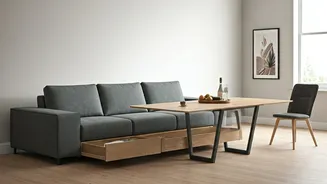
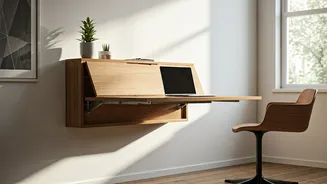
A Zen home is an organised home. Clutter is seen as a source of mental distraction, so clever, integrated storage is paramount. This doesn’t mean hiding everything away in a panic before guests arrive. It means designing a home where every item, from your keys to your books, has a designated place. Built-in cabinetry that blends seamlessly with the walls, multi-functional furniture, and a commitment to regular decluttering are hallmarks of this style. This discipline creates a visually serene environment where the mind can be at ease, free from the subtle stress of disorganisation.