





The New Kitchen Reality
From vegetables to dals, the pinch of food inflation is being felt by households everywhere. Recent data shows a noticeable climb in food prices, making the weekly grocery bill a source of stress for many families. This isn't just a temporary spike; it
reflects a broader trend of rising costs that is encouraging a shift in how we approach our meals. While many factors are outside our control, the power to adapt lies right in our own kitchens. By rethinking our habits, we can navigate these rising costs effectively without compromising on health or flavour.
The Power of Portion Planning
One of the most effective strategies is mastering portion control. This isn't about eating less, but about cooking and serving just enough. Start by serving meals on smaller plates, a simple trick that can make a standard portion feel more substantial. When cooking, measure out ingredients like rice and dal instead of estimating. Before a meal, consider setting aside a portion for the next day's lunch, which helps prevent overeating and sorts out another meal. This mindful approach reduces waste and stretches expensive ingredients like meat, paneer, and certain vegetables further, directly impacting your monthly food budget.
Embrace Seasonal and Local
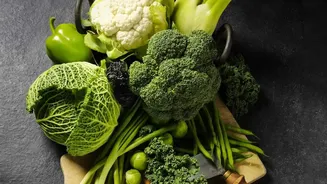
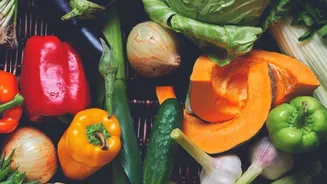
A flexible cook knows that the best value lies in what's in season. Seasonal produce is cheaper, fresher, and more nutritious because it's available in abundance. Instead of sticking to a rigid recipe that calls for expensive, out-of-season vegetables like broccoli or bell peppers, learn to adapt. Swap them for seasonal gourds, leafy greens, or beans. Shopping at local mandis or weekly markets instead of supermarkets can also lead to significant savings, as prices are often lower and the produce is fresher. Making a simple dal or sabzi with seasonal vegetables is a core principle of cost-effective Indian cooking.
The Art of the Smart Swap
Flexibility is also about knowing your substitutes. If a recipe calls for a specific type of dal that's become pricey, don't be afraid to switch to a more affordable lentil. Many recipes are forgiving and can be adapted. For instance, ground meat can be extended with soya granules or finely chopped vegetables. Instead of relying solely on expensive nuts like almonds in a gravy, you can use melon seeds or a bit of peanut for a similar creamy texture. Building a pantry with versatile staples like various dals, flours, and spices allows you to create many different dishes without needing a long list of specific, costly ingredients for every meal.
Give Leftovers a New Life
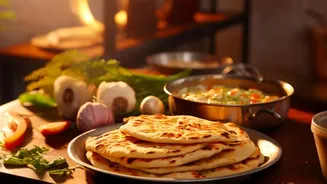
In the fight against rising costs, food waste is the enemy. A flexible kitchen sees leftovers not as a burden, but as an opportunity. That leftover dal can be used to make flavourful parathas the next morning. Cooked vegetables or chicken curry can be transformed into a delicious wrap with a fresh roti, a filling for a sandwich, or even a topping for a quick 'naan pizza'. A little creativity can turn last night's dinner into an exciting new meal, saving you time and money while ensuring nothing goes to waste. Thinking this way makes meal planning less rigid and more resourceful.