


Setting the Stage: India Joins the Lunar Push
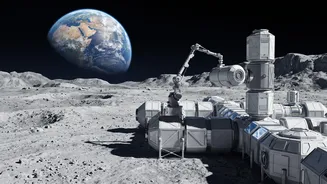
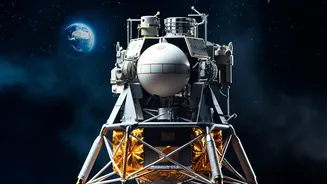
The dream of a permanent human presence on the Moon is becoming a global project. Spearheaded by initiatives like the Artemis Accords, which India signed in 2023, a coalition of nations is pooling resources and expertise. In August 2026, NASA formally
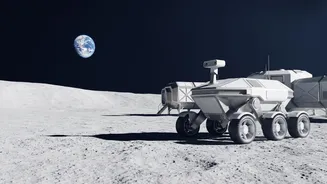
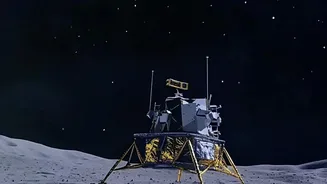
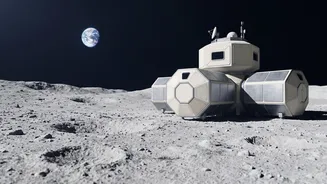
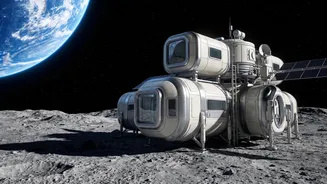
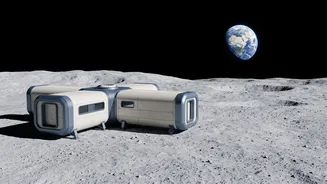
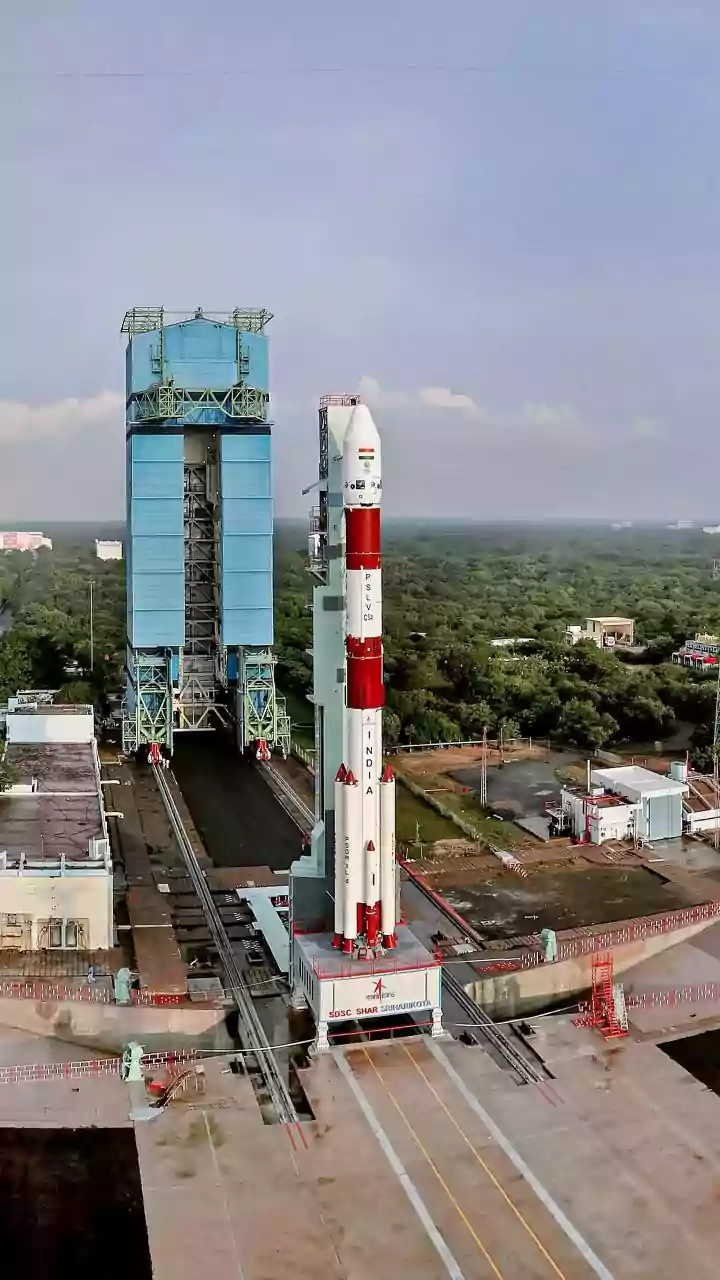
invited ISRO to join its Moon Base program, a significant acknowledgment of India's proven capabilities in space. This invitation isn't just a courtesy; it's a recognition of ISRO's track record of cost-effective engineering, successful robotic missions like Chandrayaan-3, and its own ambitious plans for crewed missions and a future Indian space station. The goal is to build a sustainable habitat on the lunar surface, likely near the South Pole, which will serve as a hub for science and deep-space exploration.
Beyond Astronauts: The Obvious Job Boom
The most visible outcome of such a project would be the demand for a new generation of space explorers and scientists. India's own Gaganyaan program is already creating a pipeline for astronauts, and a lunar base would expand this dramatically. These missions require not just pilots, but mission specialists with deep expertise in fields like geology, physics, and biology to conduct experiments on the lunar surface. Back on Earth, this translates to a surge in hiring at ISRO and its partner institutions. We would see a greater need for aerospace engineers to design rockets and habitats, propulsion experts to develop more efficient engines, and a vast team of mission controllers working around the clock to support crews millions of kilometres away.
The Ground Crew: The Ripple Effect on Tech Jobs
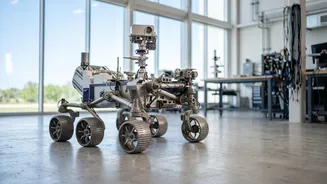
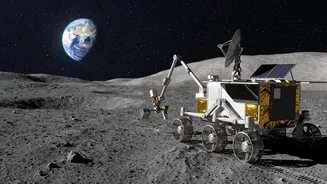
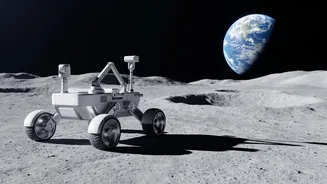
For every astronaut in space, thousands of highly skilled professionals are needed on the ground. The most significant impact of a lunar base role will be the explosion of jobs in the wider technology sector. The massive amounts of data sent back from the Moon will require an army of data scientists and AI specialists to process and analyze. These professionals will build algorithms to sift through satellite imagery, monitor equipment health, and support scientific discovery. Furthermore, as missions become more complex, the reliance on robotics and autonomous systems will soar. This creates demand for engineers skilled in AI, machine learning, and mechatronics to design the rovers, robotic arms, and automated systems that will build and maintain the base.
Building the Dream: Manufacturing and Startups
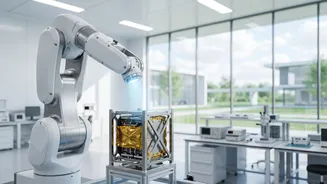
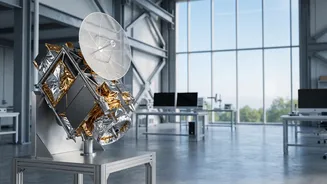
A lunar base cannot be built with off-the-shelf parts. It requires a revolution in advanced manufacturing and materials science. India's industrial sector would need to step up to produce components that are lighter, stronger, and can withstand the extreme lunar environment. This spurs innovation in areas like 3D printing, advanced composites, and life-support systems. This ambition is also a powerful engine for entrepreneurship. India's private space sector, already boasting over 400 startups, would be central to this effort. These agile companies will be crucial for developing niche technologies, from new satellite components and launch services to specialised software and ground support, creating a vibrant ecosystem of innovation and high-value jobs.
Educating for the Future
Committing to a long-term space exploration goal like a lunar base will have a profound effect on India's education system. Universities and technical institutes would need to create new courses and specializations in fields like planetary science, space medicine, and cybersecurity for space assets. It would inspire a new generation of students to pursue careers in science, technology, engineering, and mathematics (STEM). The national mission would create a clear career path for those with advanced technical skills, ensuring that the talent developed in India can be deployed for a project of national and global significance. This focus on future skills will not only serve the space program but will also benefit the entire Indian economy, fostering a more knowledgeable and capable workforce overall.