


A Lifeline Goes Dark
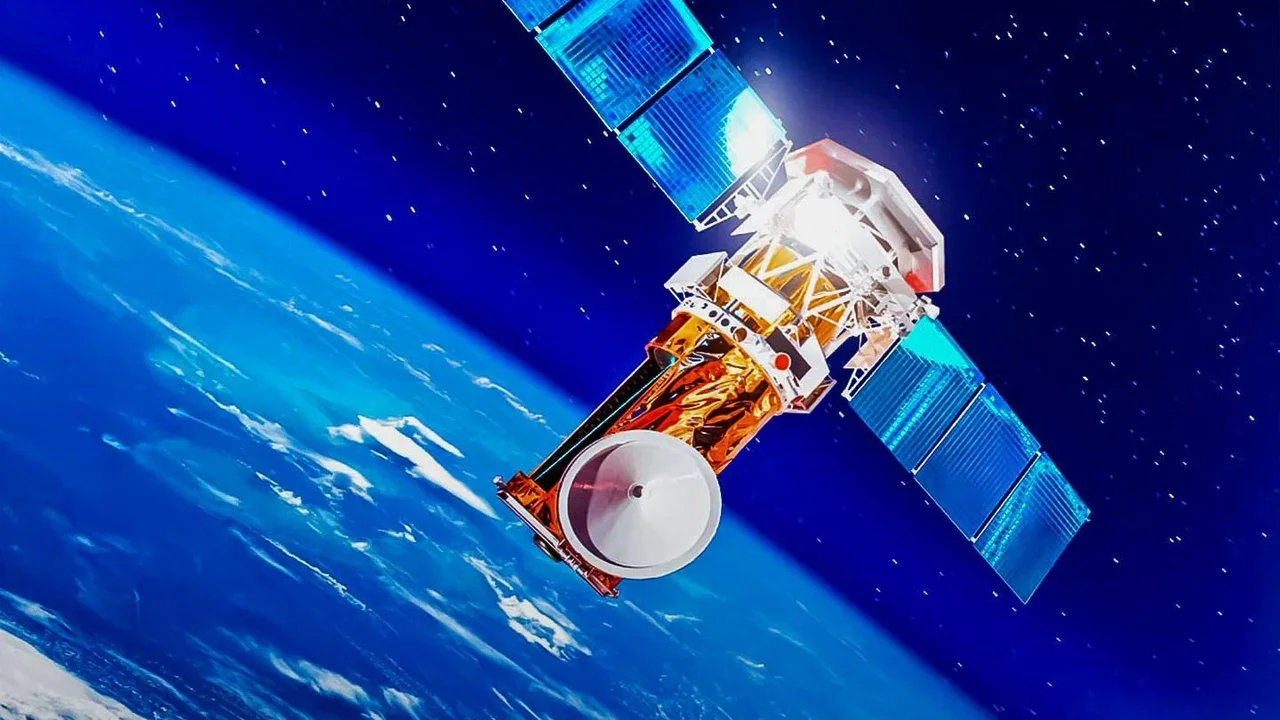
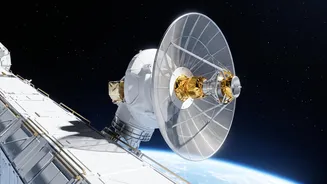
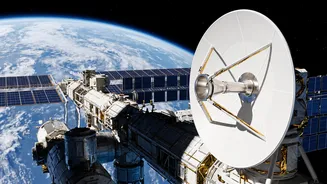
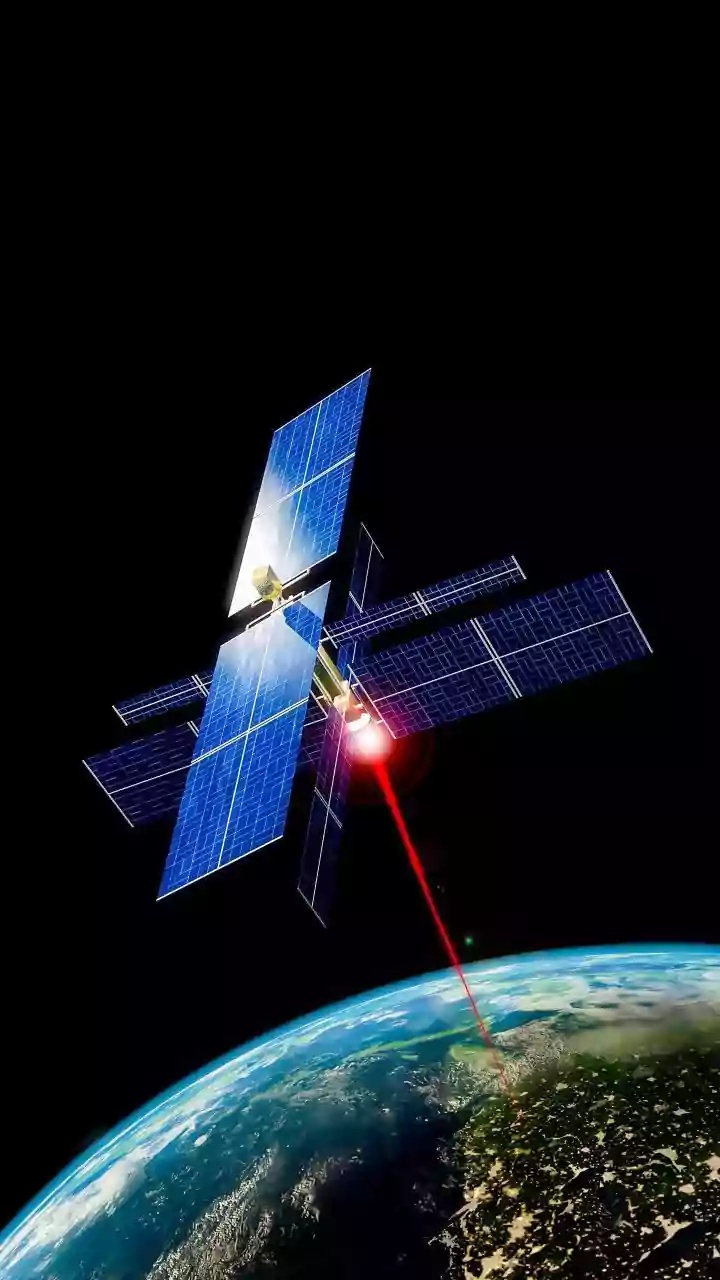
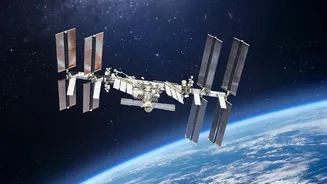
The International Space Station (ISS) is a marvel of engineering, but it is not immune to the harsh realities of space. Last November, one of its two critical Space-to-Ground Antennas (SGANT) failed. This system is the station's primary means of sending
high-speed data, video, and voice communications to Mission Control in Houston. While a redundant antenna kept the station connected, the loss of one created a significant risk; a second failure could leave the crew dangerously isolated. Restoring this vital piece of hardware became a top priority for NASA and its international partners, setting the stage for a complex and demanding repair mission.
The Two-Part Challenge
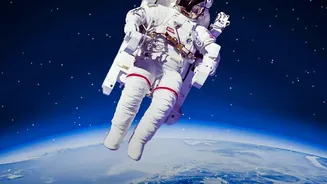
Fixing the antenna required not one, but two separate spacewalks, known as Extravehicular Activities (EVAs). On August 18, NASA's Anil Menon and the European Space Agency's (ESA) Sophie Adenot ventured outside the station for the first time together. During a gruelling six-hour and 23-minute EVA, they successfully removed the failed antenna. However, the task proved more difficult than anticipated, with stuck bolts and stubborn electrical connectors eating up precious time. With the clock running down, Mission Control decided to postpone the installation of the new antenna. The duo securely fastened the broken unit to the station's truss and returned inside, leaving the final chapter of the repair for another day.
An International Repair Team
The mission highlighted a powerful collaboration between two highly skilled astronauts. Anil Menon, an Indian-American flight surgeon for the U.S. Air Force and former SpaceX flight surgeon, brought extensive medical and operational experience. This was his third spacewalk, making him the veteran of the pair. His partner, Sophie Adenot, is a former helicopter test pilot for the French Air and Space Force. Her first spacewalk on August 18 made her the first woman from France to ever perform an EVA. Their combined expertise was critical for the complex choreography required. On August 25, they ventured out again to finish the job, with Menon secured to the end of the Canadarm2 robotic arm and Adenot moving hand-over-hand along the station's exterior.
Success in the Void
The second spacewalk, on August 25, was a flawless display of precision and teamwork. Menon, guided by fellow astronaut Jack Hathaway operating the robotic arm from inside, retrieved the spare antenna from its storage platform. He and Adenot then meticulously manoeuvred it into place on the Z-1 truss segment. They secured the new dish, connected the delicate power and data cables, and activated the unit. After six and a half hours of intense work, the station's communications redundancy was fully restored. The successful installation marked the 283rd spacewalk in support of the station and brought Menon's total EVA time to over 19 hours, while Adenot's rose to nearly 13 hours across her two historic outings.