

1. Senja: Norway in Miniature
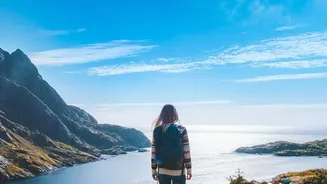
As Norway's second-largest island, Senja packs an astonishing variety of landscapes into one accessible destination. Its outer coast is a formidable wall of granite peaks that drop straight into the ocean, creating a scene of untamed, dramatic beauty.
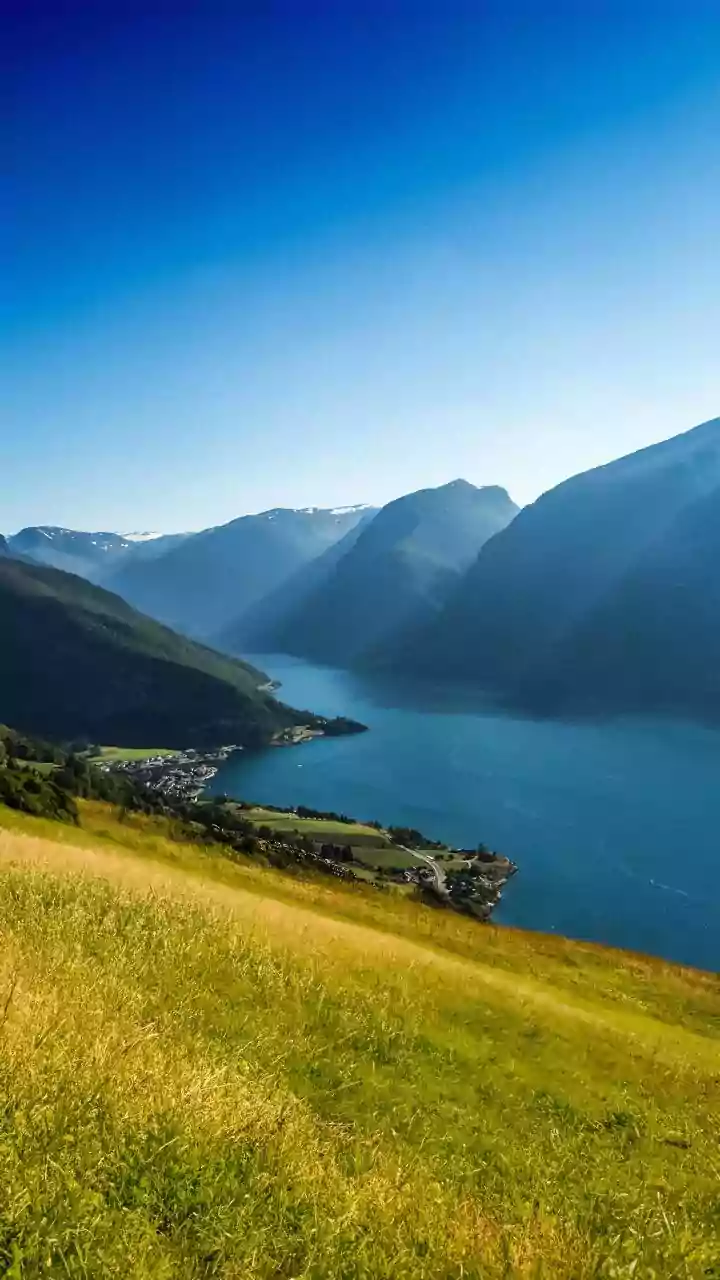
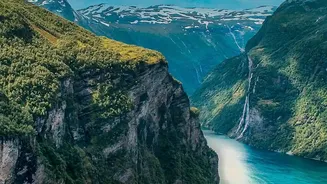
This wild character has earned it the nickname 'Norway in miniature', offering everything from jagged mountains and deep fjords to serene beaches and lush national parks. One of the island's most iconic hikes is the trail to Hesten, which provides the classic, breathtaking view of the neighbouring peak, Segla, rising like a shark's fin from the fjord. The Norwegian Scenic Route Senja threads along this coastline, linking stunning viewpoints like the Bergsbotn platform, which extends over the Bergsfjord, and Tungeneset, a boardwalk offering views of the 'Devil's Teeth' mountain range. Beyond the raw nature, tiny fishing villages such as Husøy and Mefjordvær cling to the coast, offering a glimpse into a life shaped by the sea for generations. Whether it's hiking under the midnight sun in summer or chasing the Northern Lights in winter, Senja delivers an unforgettable Arctic experience.
2. The Lofoten Islands: Picture-Postcard Drama
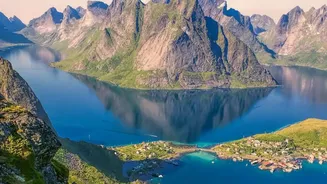
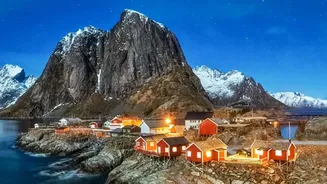
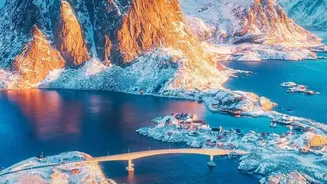
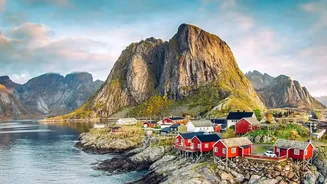
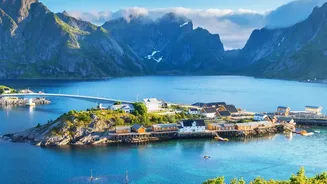
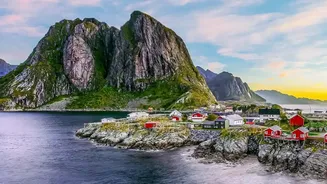
Perhaps the most famous of Norway's island groups, the Lofoten archipelago is a world-renowned chain of craggy peaks, sheltered bays, and iconic red fishing cabins (rorbuer). Located above the Arctic Circle, these islands are a paradise for photographers and outdoor adventurers alike. The main islands are connected by the E10 road, making for one of the world's most scenic road trips. Lofoten is celebrated for its charming villages, including Reine, with its stunning mountain backdrop, and the vibrant fishing hub of Henningsvær. Activities range from surfing the Arctic waves at Unstad to hiking the Reinebringen trail for one of Norway's most photographed panoramas. The islands also boast a rich Viking history, which can be explored at the Lofotr Viking Museum. While more popular than Senja, Lofoten's blend of dramatic scenery and cultural heritage makes it an essential Norwegian destination.
3. The Vesterålen Islands: A Whale-Watching Haven
Just north of Lofoten lies Vesterålen, an archipelago offering a slightly quieter, but no less spectacular, experience. Its landscape is a mix of jagged mountains, white sandy beaches, and quaint fishing villages. However, Vesterålen's biggest claim to fame lies offshore. It is one of the few places in the world where you can go whale watching year-round. The deep underwater canyon near Andenes attracts sperm whales in the summer and orcas and humpback whales in the winter. On land, the Norwegian Scenic Route Andøya traces the western coastline, passing highlights like the long, sandy beach at Bleik. Vesterålen also offers unique attractions such as the Hurtigruten Museum in Stokmarknes and the Andøya Space Center, making it a destination that blends natural wonders with fascinating cultural history.
4. Kvaløya: Tromsø’s Wild Backyard
Connected by a bridge to the city of Tromsø, Kvaløya (Whale Island) is Norway's fifth-largest island and a vast wilderness of fjords, mountains, and coastal scenery. Despite its proximity to an urban centre, Kvaløya feels genuinely wild, with reindeer often spotted along the roadsides. Its landscape is diverse, from the alpine peaks nicknamed the 'Scandinavian Chamonix' to the beautiful fjord beach at Ersfjordbotn. The island is a hub for outdoor activities, offering everything from dog sledding and Northern Lights tours in winter to kayaking and hiking in summer. The highest peak, Store Blåmann, towers over the landscape, attracting serious climbers. Its accessibility from Tromsø makes it a perfect destination for those looking to combine city comforts with raw Arctic adventure.
5. Sommarøy: The Arctic's Caribbean Lookalike
An hour's drive from Tromsø, the tiny island of Sommarøy (Summer Island) feels like a world apart. It's famous for its stunning white-sand beaches and turquoise waters that, against the backdrop of rugged peaks, could be mistaken for a scene from the Caribbean. This vibrant fishing village is part of a small archipelago connected by bridges, offering breathtaking views in every direction. In 2019, Sommarøy gained international attention when its residents campaigned to become the world's first 'time-free zone' to reflect a life dictated by the endless light of the midnight sun in summer and the polar night in winter. While the campaign was symbolic, it perfectly captures the island’s unique rhythm. It's a place to swim in surprisingly clear coves, watch for sea eagles, and experience the extreme light conditions of the high north.