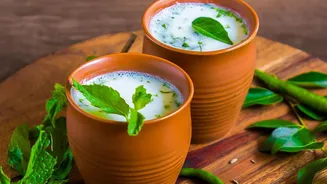








A Thirst for Roots and Wellness
For years, the cold beverage market in urban India was dominated by global cola giants and imported health trends. Today, a significant shift is underway. Consumers in metros like Mumbai, Bengaluru, and Gurugram are increasingly seeking out drinks that
offer more than just refreshment; they want a story, a connection to their heritage, and tangible health benefits. This has sparked a revival of traditional fermented drinks, which were once confined to home kitchens and rural communities. This trend is driven by a new generation that values authenticity and wellness, proudly rediscovering the wisdom of their ancestors in a modern, convenient format.
The Stars of the Fermentation Revival
The movement is bringing a diverse range of beverages back into the spotlight. Kanji, a North Indian winter staple made from fermented black carrots and mustard seeds, is now appearing on chic restaurant menus as a welcome shot or a tangy cooler. Kombucha, a fermented tea with ancient Chinese roots, has been enthusiastically adopted and Indianised by local brands using regional flavours like jamun, kokum, and Gor Keri. Beyond these, coastal favourites like Sol Kadhi, made from kokum and coconut milk, and various rice and millet beers like Handia and Apong are gaining newfound respect. These drinks, once seen as rustic, are now celebrated for their unique flavour profiles and cultural significance.
The Gut Health Connection
A major catalyst for this trend is the growing global conversation around gut health. As urban lifestyles and processed foods contribute to digestive issues, many are turning to probiotics for relief. Traditional fermented drinks are natural sources of these beneficial live microorganisms. They are believed to support digestion, boost immunity, and improve overall well-being. Unlike many mass-produced health drinks, the probiotic benefits of these heritage beverages are not a modern addition but an intrinsic part of their creation, a result of slow, natural fermentation processes that have been perfected over generations.
More Than a Drink, a Cultural Statement
Embracing these beverages is about more than just health; it's a cultural statement. For many young urban Indians, choosing a bottle of Kanji or a locally brewed kombucha over a foreign soda is an expression of identity. It represents a move away from homogenised global trends and towards a celebration of local ingredients, regional food wisdom, and sustainable practices. This revival is also empowering a new wave of entrepreneurs. Startups and home-brewers across the country are bottling this heritage, creating clean-label products that retain their authentic character while appealing to a modern aesthetic.
The Business of Brewing Heritage
The commercial potential of this trend is significant. India's probiotic drinks market is projected to grow exponentially, with some forecasts predicting a compound annual growth rate (CAGR) of over 16% between 2026 and 2034. While globally recognized brands have a presence, it is the new-age Indian companies that are truly capturing the spirit of the movement. Brands like Kumbayah Kombucha in Kerala, Local Ferment Co in Bengaluru, and others are proving that there is a strong market for drinks that are premium in process but accessible in price, turning traditional recipes into scalable businesses that are finding their way onto quick-commerce platforms and into high-end restaurants alike.