



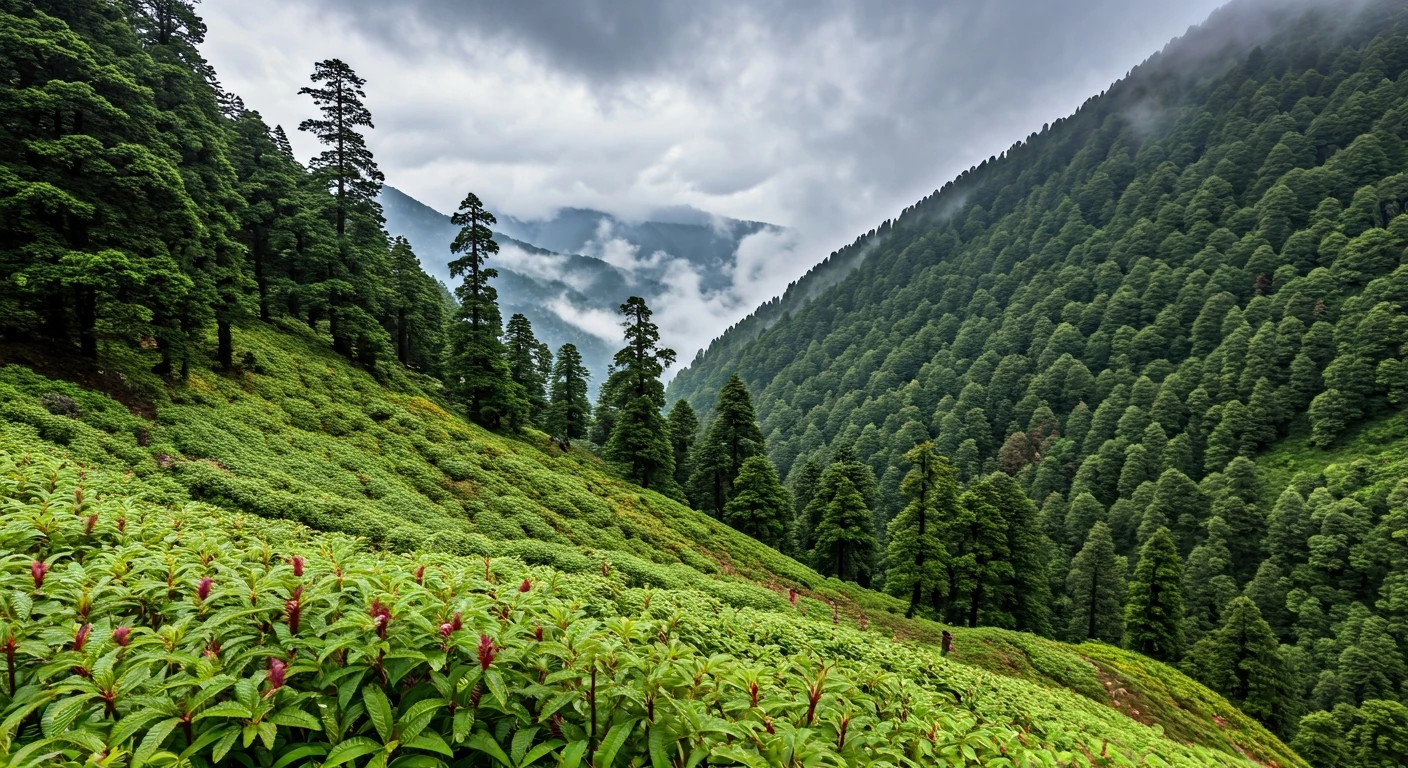


The Allure of a Rainy Retreat
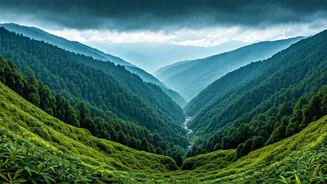
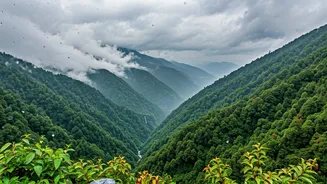
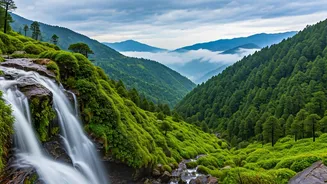
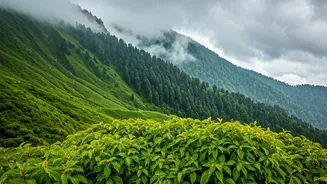
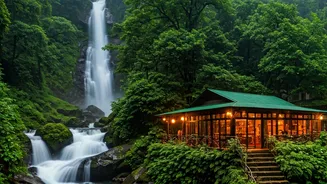
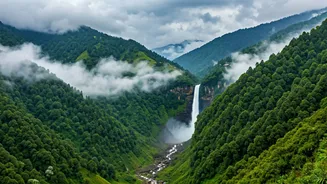
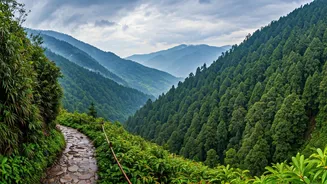
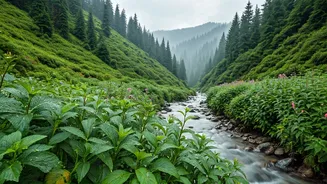
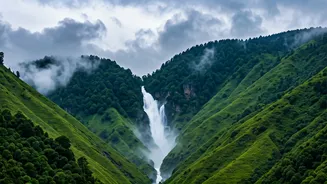
While many travellers avoid the mountains during the monsoon (June to September), visiting Sikkim this time of year has unique advantages. The landscape transforms into a vibrant, emerald paradise, with waterfalls like Kanchenjunga Falls in full, thunderous
flow. It's a quieter season with fewer tourists, which means a more peaceful experience at monasteries and viewpoints. This off-season period often brings budget-friendly perks, with hotels and tour operators offering significant discounts. It’s the perfect time for those seeking solitude, photography, and a more intimate connection with nature and local culture.
Strategic Packing for a Wet World
Packing correctly is the most critical step for a comfortable monsoon trip. Your main goal is to stay dry and warm. A high-quality waterproof jacket is non-negotiable. Augment this with an umbrella for light showers in towns like Gangtok. Opt for quick-dry clothing made from synthetic fabrics, as cotton takes too long to dry in the humid air. Sturdy, waterproof shoes with excellent grip are essential for navigating slippery paths. Also, pack extra pairs of socks, a waterproof cover for your backpack, and ziplock pouches or dry bags to protect your electronics and important documents. A power bank is a lifesaver, as power outages can be more frequent.
Navigating Roads and Risks
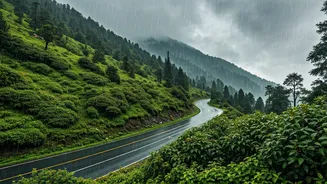
The biggest challenge of monsoon travel in Sikkim is landslides. Heavy rains make the hilly terrain prone to blockages, which can disrupt travel plans significantly. It is crucial to be flexible and build buffer days into your itinerary. Always hire an experienced local driver and a reliable vehicle, preferably an SUV, as they are better equipped to handle treacherous road conditions. It's strongly advised to avoid travelling at night and to start your journeys early in the day. Before heading out, always check the latest weather forecasts and road status from local authorities or your tour operator. Recent news from late June 2026 highlighted how incessant rains can trigger landslides and cut off major roads, such as the one to Gyalshing in West Sikkim, reinforcing the need for caution.
Choosing Your Monsoon Destinations Wisely
While some parts of Sikkim become difficult to access, others are relatively safe and incredibly beautiful during the monsoon. East, West, and South Sikkim are generally recommended. Gangtok, the capital, serves as an excellent and safe base with its well-maintained roads and amenities. From there, you can explore nearby attractions like the Enchey Monastery and the Directorate of Handlooms and Handicrafts. Pelling and Ravangla are also great choices, offering stunning misty views of monasteries and the iconic Buddha Park. However, it is highly advisable to avoid North Sikkim, including destinations like Lachen, Lachung, and Gurudongmar Lake, as this region is most susceptible to severe landslides and road closures.
Health and Well-being on Your Trip
The damp weather can bring its own set of minor health concerns. It’s wise to carry a basic first-aid kit with essentials like antiseptic creams, band-aids, and medication for common ailments. To avoid water-borne illnesses, stick to bottled or filtered water and eat freshly cooked food. In forested areas, leeches can be a nuisance, so carrying leech socks or applying salt can be helpful. Mosquito repellent is another simple but useful item to pack, especially for evenings. Finally, since you might be forced indoors by heavy rain, bringing a book or downloading some movies can be a good way to pass the time comfortably.