








The Allure and the Danger
Bringing plants indoors is a wonderful way to purify the air and add a touch of nature's beauty. Scented varieties offer an added layer of sensory pleasure. However, the very chemical compounds that produce these delightful fragrances can be toxic if ingested.
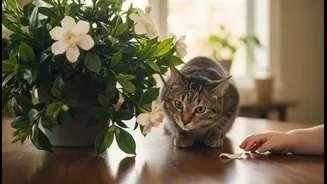
Pets, especially cats and dogs, and young children are naturally inquisitive and often explore the world with their mouths. This makes them particularly vulnerable to accidental poisoning from common houseplants. It's essential for homeowners to be aware of the potential risks associated with popular decorative plants.
Beautiful But Toxic: Plants to Avoid
Several widely available and fragrant plants are surprisingly toxic. Lilies, for example, are extremely dangerous for cats. Ingesting even a tiny amount of any part of the plant—including the leaves, pollen, or even water from the vase—can lead to severe and often fatal kidney failure. Oleander, known for its beautiful flowers, is another highly toxic plant where all parts are poisonous and can cause serious heart problems, dizziness, and tremors if consumed. Similarly, the popular Eucalyptus plant, while loved for its fresh scent in homes and oils, is toxic to dogs, cats, and horses, causing symptoms like vomiting, diarrhea, and weakness. Other plants to be cautious with include many with "lily" in their name, like Lily-of-the-valley, which can cause life-threatening heart rhythm abnormalities.
A Rogue's Gallery of Risky Plants
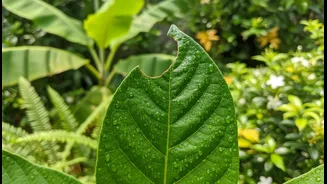
The list of potentially harmful plants extends beyond just the most fragrant ones. Plants containing calcium oxalate crystals, like Philodendron and Dieffenbachia (Dumb Cane), can cause intense pain, irritation, and swelling of the mouth and throat if chewed. The Sago Palm is another common ornamental that is highly toxic, with its seeds being particularly dangerous and capable of causing severe liver failure in pets. Even certain fruit-bearing trees popular in India, such as the Chinaberry or Pride-of-India tree (Melia azedarach), are toxic; its ripe berries can lead to seizures and weakness in pets.
Safe, Scented, and Spectacular Alternatives
Thankfully, you don't have to sacrifice fragrance for safety. Many beautiful and aromatic plants are perfectly safe for a home with pets and children. True Jasmine (from the Jasminum species) is non-toxic to cats, dogs, and horses and fills a room with an intoxicatingly sweet scent. It's important to ensure you are getting a true Jasmine, as some plants called "false jasmine" can be toxic. Roses are also a safe choice; while the thorns can pose a physical hazard, the petals and leaves are not toxic to dogs or cats. Other fragrant and safe options include certain varieties of Orchids and Hoya (Wax Plant), which can provide beautiful blooms and pleasant scents without the worry.
Spotting the Signs of Poisoning
Knowing the symptoms of plant poisoning is the first step toward getting help quickly. Common signs in pets can include vomiting, diarrhea, excessive drooling, loss of appetite, and lethargy. More severe symptoms might involve weakness, tremors, seizures, difficulty breathing, or increased thirst and urination, which can indicate kidney or liver problems. In children, symptoms can range from skin irritation and rashes to stomach pain and swelling of the mouth or throat. If you notice any of these signs, and you suspect a plant may have been ingested, it's crucial to act immediately.
What to Do in an Emergency
If you suspect your pet or child has ingested a toxic plant, the first step is to remove any remaining plant material from their mouth. Try to identify the plant, as this information will be vital for medical professionals. You can take a photo of it or bring a sample with you. Contact your veterinarian or a poison control center immediately for guidance. Do not try to induce vomiting unless specifically instructed to do so by a professional. Timely intervention is critical, especially with highly toxic plants like lilies for cats, where treatment within the first 18 hours is essential for a chance of survival.