


The Perils of the Lunar Surface
Establishing a long-term presence on the Moon isn't as simple as just landing and setting up camp. The lunar surface is one of the most hostile environments imaginable. With no significant atmosphere, it is completely exposed to the vacuum of space. This
means it is bombarded with dangerous cosmic and solar radiation, which can harm astronauts and damage sensitive equipment. It's also a cosmic shooting gallery, with a constant rain of micrometeorites that can strike with tremendous force. Furthermore, the temperature swings are brutal, plunging to frigid lows during the two-week lunar night and soaring to scorching highs in direct sunlight. Any habitat built on the surface would need to be heavily shielded and engineered to withstand these extreme conditions, which is a massive technical and logistical challenge.
Nature's Perfect Lunar Shelter
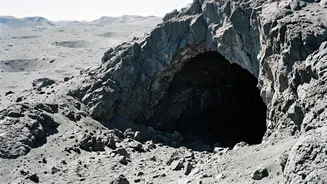
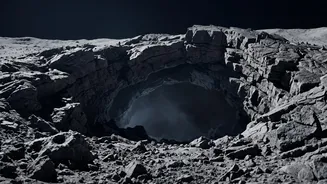
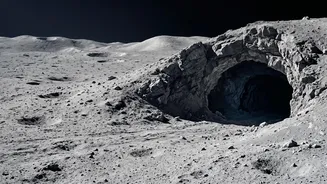
The solution might not involve building at all, but rather, finding. Scientists have long theorized that the Moon is riddled with lava tubes. These are vast, underground tunnels formed billions of years ago when the Moon was volcanically active. As rivers of lava flowed, their outer surface cooled and hardened, creating a solid crust. When the molten lava inside drained away, it left behind a hollow cave. These natural structures could be the perfect ready-made shelters for a future moon base. A thick roof of solid rock would provide excellent protection from radiation, micrometeorite impacts, and the wild temperature fluctuations on the surface. Inside a lava tube, the temperature is expected to be stable, offering a much safer and more manageable environment for human habitats and scientific laboratories.
The Hunt for Lunar Caves
To turn this theory into a viable plan, NASA needs to find these caves first. As part of its Payloads and Research Investigations on the Surface of the Moon (PRISM) program, the agency has selected several new scientific investigations to be sent to the Moon. One of the most exciting is a mission with a fitting name: GIMLI (Geophysical Instruments for Marius Lunar pit Investigation). GIMLI will be sent to a feature known as the Marius Hills Pit, a large hole in the ground that scientists believe could be a 'skylight'—a collapsed section of a much larger lava tube. It's one of nearly 300 such pits that have been identified from orbit, but this will be the first time one is investigated up close on the surface.
A Glimpse Inside the Toolbox
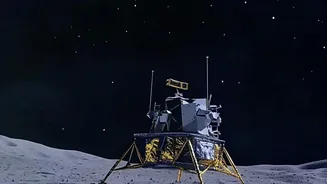
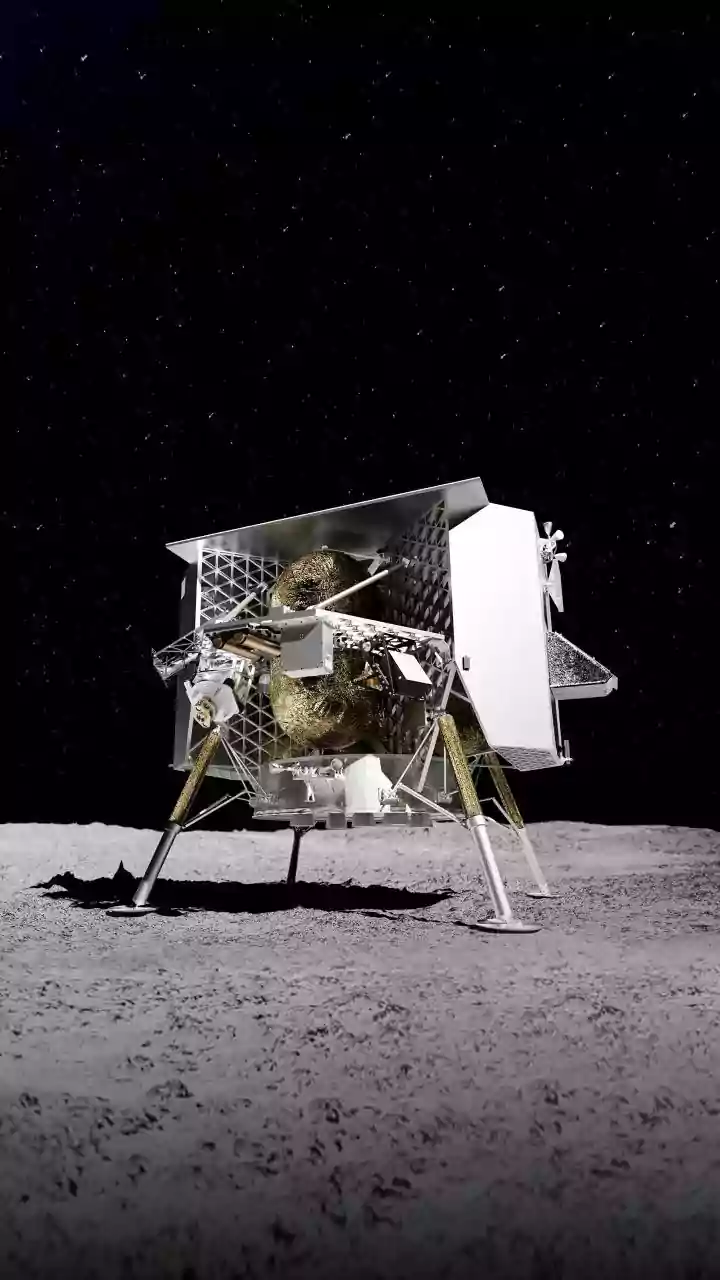
The GIMLI mission won't be sending a robot spelunking just yet. Instead, a lander and rover will use a suite of advanced instruments to peer beneath the ground from around the pit's edge. The payload will include ground-penetrating radar to map the shape and size of any potential voids, a gravimeter to detect the 'missing mass' that would indicate an empty chamber, and seismic sensors to measure how sound waves travel through the ground. By combining data from these tools, scientists hope to build a 3D model of the subsurface and confirm whether the pit opens into an extensive cave system, and just how large it might be. This information is critical for planning future missions that could one day send robotic or even human explorers inside.
More Than Just a Moon Base
While finding a safe haven for astronauts is the primary goal, these investigations will also yield a treasure trove of scientific data. Exploring pristine, uncollapsed lava tubes would give geologists a direct look at ancient bedrock that has been shielded from the 'gardening' effects of impacts and radiation on the surface for billions of years. This could reveal new insights into the Moon's volcanic history and internal structure. These missions, part of the broader Artemis program, are a crucial step in preparing for a sustained human presence. By mapping resources and scouting for natural shelters, NASA is building what it calls an 'interplanetary survival guide,' ensuring that when astronauts return to the Moon, they can stay longer and do more science than ever before.