




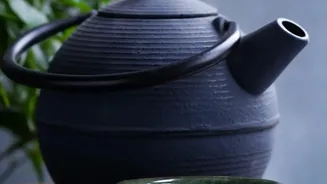
The Search for a Smarter Boost
The 4 PM productivity dip is a familiar foe for modern professionals. For years, the default solution has been a strong cup of coffee—a quick, potent jolt to power through the rest of the day. But that jolt often comes with a price: anxiety, jitters,
and the inevitable energy crash that leaves you feeling more depleted than before. This cycle has prompted a shift in mindset, particularly within the wellness-conscious demographic that populates India's co-working environments. The demand is no longer just for energy, but for sustainable, focused energy. This pivot towards mindful productivity has created the perfect opening for a new beverage culture to take root.
Enter Matcha: The Calm-Alert Alternative
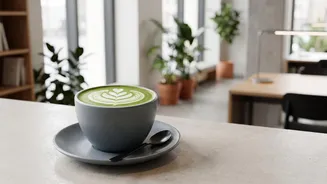
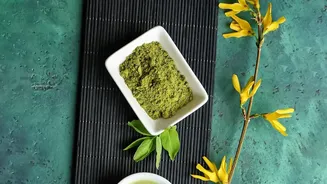
At the forefront of this trend is matcha, a vibrant green tea powder from Japan. Unlike coffee, which delivers a sharp spike of caffeine, matcha provides a more balanced and sustained boost. The secret lies in a unique amino acid called L-theanine. While matcha contains caffeine, the L-theanine works synergistically with it, promoting a state of relaxed alertness. Studies have shown that this combination can improve attention and reaction time more effectively than caffeine alone, all while reducing the anxiety that coffee can sometimes trigger. This creates what enthusiasts describe as "calm focus"—an ideal state for deep work, creative brainstorming, and navigating a high-pressure workday without the subsequent crash.
A Ritual of Mindfulness
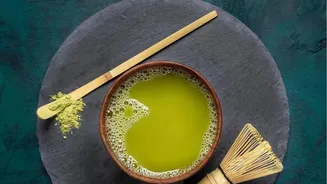
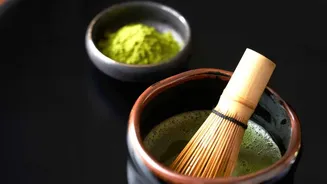
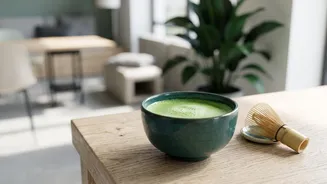
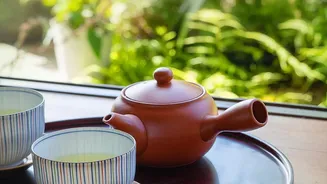
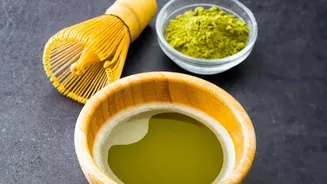
The appeal of Japanese tea culture extends beyond its physiological benefits. In a work culture that often prioritizes speed and efficiency, the ritual of preparing tea offers a moment of deliberate pause. The simple, mindful act of whisking matcha or carefully steeping sencha leaves provides a welcome mental break, a stark contrast to the instant, transactional nature of an espresso shot. This ritualistic aspect aligns perfectly with the ethos of modern co-working spaces, which sell not just a desk, but a holistic lifestyle experience. As urban consumers in India increasingly seek out products that offer both functionality and a sense of calm, the ceremonial nature of Japanese tea feels both novel and necessary.
A Growing Trend in Urban Hubs
While still a nascent movement compared to India's deep-rooted chai tradition, the preference for Japanese tea is visibly growing in metropolitan centres like Bengaluru, Mumbai, and Gurugram. The matcha market in India is projected to grow significantly, with one forecast predicting a compound annual growth rate of 8.6% between 2024 and 2030. This growth is driven by a broader wellness trend where consumers are more discerning about ingredients and health impacts. Cafes specializing in Japanese teas are emerging, and some co-working spaces are integrating tea bars into their amenities, recognizing it as a premium offering that attracts and retains a health-conscious clientele. The trend is even spurring local innovation, with Indian tea estates in regions like Assam now beginning to produce their own matcha to meet rising domestic demand.