

Catch the Tail End of the Perseids
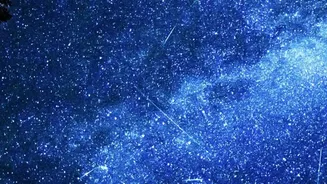
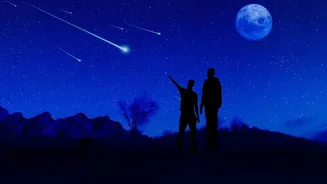
While the famous Perseid meteor shower peaked around August 12-13, its activity continues until August 24. This means you still have a chance to catch stray 'shooting stars' in the late-night hours. The Perseids are known for their bright and fast meteors,
which are fragments left behind by the comet Swift-Tuttle. For the best chance of spotting one, find a location far from city lights, let your eyes adjust to the darkness for about 30 minutes, and look towards the constellation Perseus. Patience is key, as the frequency will be lower than during the peak, but the reward of seeing a fiery streak across the sky is well worth the wait.
A Six-Planet Parade Before Dawn
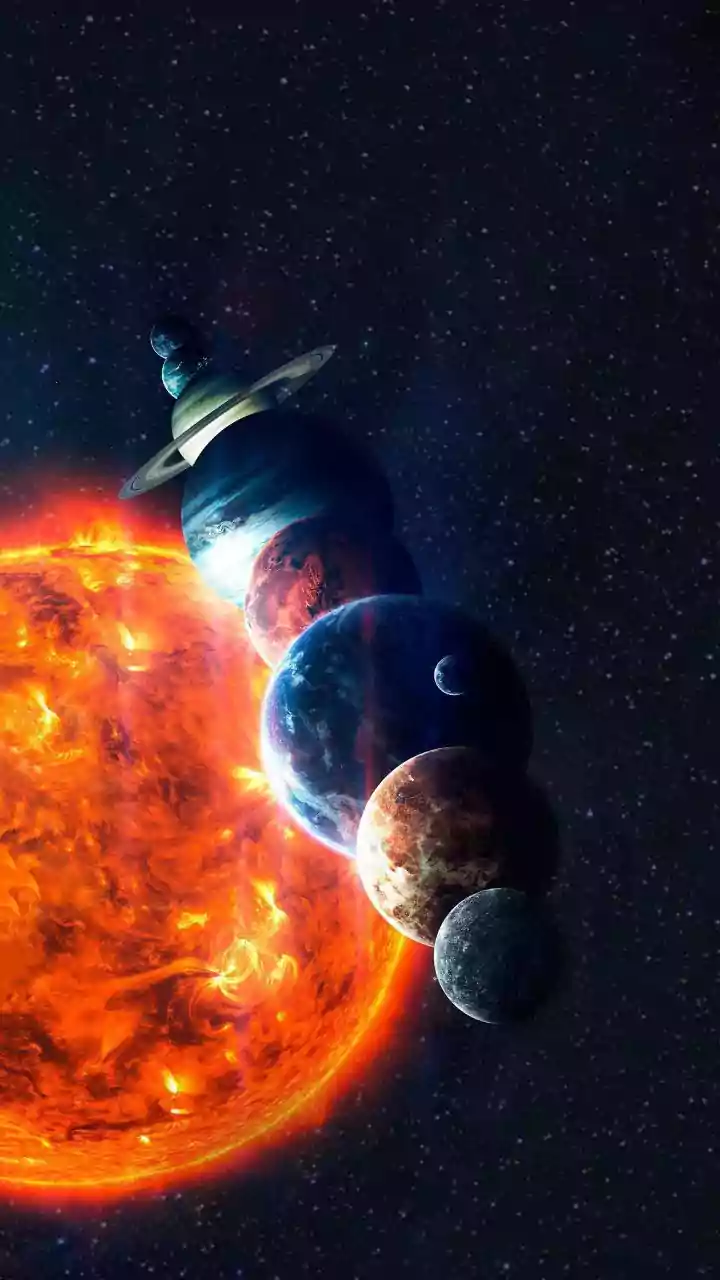
An extraordinary alignment of six planets—Jupiter, Mercury, Mars, Saturn, Uranus, and Neptune—graced the pre-dawn sky around mid-August. This 'planet parade' remains visible until approximately August 18. To see it, you'll need to wake up early and look towards the eastern horizon about 30 to 60 minutes before local sunrise. Mars, with its distinct reddish glow, and Saturn, shining with a steady yellowish tint, will be the easiest to spot with the naked eye. Jupiter and Mercury will be much lower and closer to the horizon, so an unobstructed view is essential. While Uranus and Neptune are part of the lineup, you will need a good pair of binoculars or a telescope to find them.
The Moon's Dance with Planets and Stars
The Moon continues its journey across the late August sky, creating beautiful pairings with other celestial objects. On the evenings of August 19 and 20, the First Quarter Moon will appear near the bright, reddish star Antares in the constellation Scorpius. Look for the Moon again on the evenings of August 29 and 30, when it will be close to the planet Saturn, offering a great opportunity to identify the ringed planet in the night sky. These close approaches, or conjunctions, are excellent visual guides for amateur astronomers.
A Deep Partial Lunar Eclipse
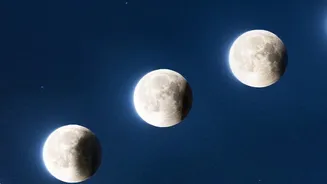
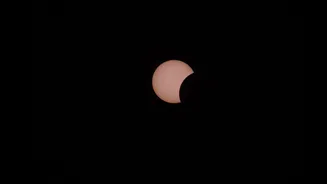
Mark your calendars for the night of August 27-28, when a deep partial lunar eclipse will be visible. During this event, a significant portion of the Full Moon will pass through the Earth’s darkest shadow, known as the umbra. This will cause part of the lunar surface to appear noticeably dimmer or even reddish. The full moon of August, known as the Sturgeon Moon, will reach its peak illumination on August 28. The eclipse will be a stunning sight, easily visible with the naked eye from across India, weather permitting.
Tips for the Best Viewing Experience
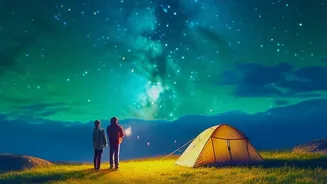
To make the most of these celestial events, preparation is crucial. The biggest challenge during this season is the monsoon, so check your local weather forecast for clear skies. Head to a location with minimal light pollution, as city lights can wash out fainter stars and meteors. Give your eyes at least 20-30 minutes to fully adapt to the darkness; avoid looking at your phone screen, as white light can ruin your night vision. Using a red light torch is recommended. Finally, get comfortable. A reclining chair or a blanket on the ground will make your stargazing session much more enjoyable.