







A Return to Tradition
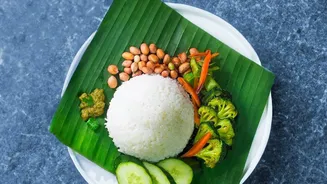
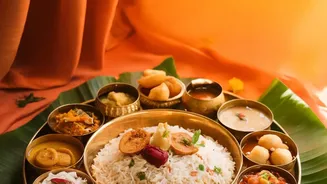
What might seem like a new trend is actually a heartfelt return to age-old practices. For centuries, serving food on banana leaves has been a cultural cornerstone in many parts of India, especially in the South. The Onam 'Sadhya' in Kerala, a vegetarian
feast with over twenty dishes, is traditionally served on a large banana leaf. Young hosts are now rediscovering this practice, not just for its nostalgic charm, but for its deep-rooted expression of hospitality and respect. This movement is part of a broader culinary revival where young urban Indians are re-engaging with their heritage, finding modern relevance in the cooking and serving methods of their grandparents.
The Conscious Environmental Choice
The primary driver behind this shift is a powerful sense of environmental responsibility. Unlike plastic or thermocol plates that clog landfills and pollute water bodies for centuries, a banana leaf is 100% biodegradable and composts within weeks. This choice eliminates single-use plastic waste from celebrations. Furthermore, a banana leaf requires minimal processing; it just needs a simple rinse, saving water and energy that would otherwise be spent on washing ceramic dishes. This eco-conscious mindset extends to the food itself. By choosing locally sourced, organic produce, these young hosts are reducing their carbon footprint, supporting local farmers, and ensuring their food is free from chemical pesticides. This 'Green Rush' reflects a growing market for products with purity and purpose.
An Elevated Sensory Experience
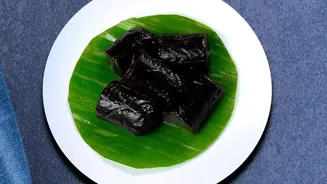
Beyond the ethical benefits, the appeal is also aesthetic and sensory. A festive spread laid out on a vibrant green banana leaf is visually stunning. The leaf’s natural waxy coating acts as a non-stick surface, preventing oils and gravies from sticking while subtly enhancing the food's aroma when warm dishes are placed upon it. This natural plating transforms a meal into a more authentic and memorable event. It’s a detail that doesn’t go unnoticed in an era of Instagram-worthy presentations, where young chefs and home cooks alike are experimenting with inventive ways to showcase their culinary creations.
Health and Wellness at the Forefront
The trend is also deeply connected to a growing awareness of health and wellness. Banana leaves are packed with natural antioxidants called polyphenols, similar to those found in green tea, which are believed to help fight disease. Serving food on a clean, chemical-free surface provides peace of mind, avoiding potential residue from detergents or microplastics found in other tableware. This focus on health is mirrored in the preference for organic ingredients. As consumers become more concerned about pesticide residue and food quality, the demand for certified organic fruits, vegetables, and staples has surged. For many, a sustainable feast is also a healthier one, aligning personal well-being with planetary health.
A Generation Driving Change
This movement is being championed by a generation of millennials and Gen Z who are more connected, informed, and intentional about their choices. Exposed to global conversations around sustainability while also seeking a deeper connection to their own cultural roots, they are redefining what it means to celebrate. They are not just hosting a meal; they are making a statement. This shift is visible across various festivals, from using natural decorations for Dasara to crafting eco-friendly idols for Ganesh Chaturthi. By blending tradition with a modern, eco-conscious mindset, young Indians are proving that the most meaningful celebrations are those that honour both the past and the future.