
The Open-Door Policy
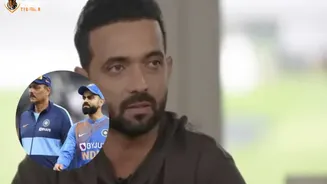
For years, stories have circulated about the unique atmosphere MS Dhoni cultivated as captain. Teammates, especially younger players, often spoke of his approachability. Recently, veteran batsman Ajinkya Rahane, who debuted under Dhoni, added a fascinating
layer to this legacy. Speaking on a podcast, Rahane described Dhoni's hotel room as a common sanctuary for the team during gruelling tours. He recounted how Dhoni's door was almost always open, often with ten to fifteen players inside, unwinding, chatting, or playing games—a space to decompress from the immense pressure of representing India. This open-door policy became a hallmark of his captaincy, turning his personal space into a team den that fostered camaraderie.
The One Unbreakable Rule
However, this open invitation had one clear, non-negotiable boundary. While the door was usually ajar, the moment it was closed, it was a signal that everyone on the team understood and respected implicitly. "But when his door was shut, no one was allowed," Rahane revealed. This wasn't a rule that needed to be written down or enforced with words; it was an unspoken agreement built on mutual respect. It highlighted the perfect balance Dhoni struck between being an accessible leader and a private individual. The team could share his space freely, but they also recognised his need for solitude without question.
A Sanctuary from Pressure
This simple rule was more than just about privacy; it was a core part of Dhoni’s strategy for managing team morale. By creating a relaxed environment where players could gather, he provided an essential escape from the relentless scrutiny and demands of international cricket. The hotel room became a zone where hierarchies faded, and players could connect as people rather than just colleagues under immense professional strain. The closed-door policy complemented this by ensuring the captain also had his own space to recharge, think, and lead effectively. It demonstrated trust—Dhoni trusted his team to give him space, and the team trusted him to be available when they needed him. This balance was crucial in building the resilient, tight-knit units he was known for leading.
Leadership Beyond the Boundary
Dhoni's leadership has long been praised for its on-field brilliance, but Rahane's anecdote provides a clearer picture of the off-field culture that enabled that success. His ability to be both a friend and a captain, a mentor and a leader, was encapsulated in this simple hotel room etiquette. It fostered a deep sense of security and respect among the players, who knew they had a leader who was approachable but also commanded authority through quiet understanding. This style helped numerous young players find their footing in the high-stakes world of international cricket, knowing their captain was there to guide them without micromanaging their personal time. Rahane himself, having played under Dhoni for India and in the IPL, benefited from this environment, which valued mental well-being as much as performance.