







Why Go Seasonal? It’s More Than Just a Trend
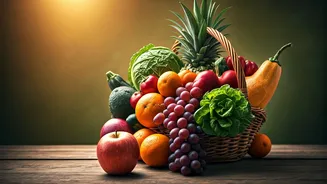
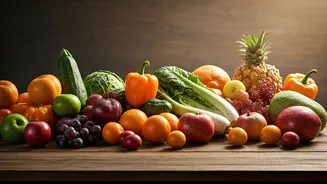
Eating seasonally isn't a new-age fad; it's an ancient wisdom our grandparents lived by. When you eat produce that is in season, you're consuming it at its absolute peak. It’s fresher, which means it’s packed with more flavour and nutrients. Fruits and vegetables
that are harvested at the right time have higher levels of vitamins, minerals, and antioxidants. Compare a juicy, fragrant winter orange to a bland, dry one in summer — there’s no contest. Furthermore, seasonality is kind to your budget. When produce is abundant, its price drops. You’re no longer paying for the high costs of cold storage and long-distance transportation. You're simply buying what local farmers have in plenty, which also means you’re supporting the local economy and reducing your carbon footprint. It’s a win-win-win.
Summer’s Bounty: Cooling and Hydrating
As the Indian summer blazes, your body craves hydration and foods that cool you from the inside out. Nature provides exactly that. This is the season of glorious mangoes, a national obsession for good reason. But look beyond the king of fruits to juicy watermelons and muskmelons, perfect for quenching thirst. Your sabzis should be light and water-rich. Think cucumbers, lauki (bottle gourd), and tori (ridge gourd). These vegetables are not just over 90% water; they are also easy to digest and help prevent dehydration and heat-related fatigue. A simple cucumber raita or a light lauki curry is the perfect antidote to a scorching afternoon.
Monsoon Harvest: Immunity and Comfort
The monsoon brings relief from the heat, but it also brings a host of water-borne diseases and a general dip in immunity. Your seasonal upgrade should focus on foods that are both comforting and protective. This is the time for roasted bhutta (corn on the cob), a classic monsoon snack rich in fibre and antioxidants. Gourds like karela (bitter gourd) and parwal (pointed gourd) are at their best, known in Ayurveda for their digestive and cleansing properties. While many leafy greens are best avoided due to mud and pests, sturdy ones like spinach can be used if washed meticulously. Plums, peaches, and cherries also make a brief, delicious appearance. These foods help fortify your body against the infections that are common during this damp season.
Winter Warmers: Nourishing and Hearty
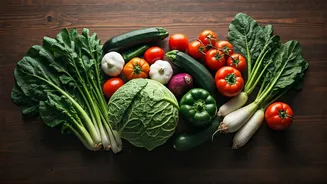
When a chill sets in, your plate needs to reflect the change. Winter is the time for hearty, warming, and deeply nourishing foods. This is when India’s vegetable markets become a riot of colour. Think vibrant red carrots, perfect for a warm gajar ka halwa, and deep purple beets. It's the season of sarson ka saag (mustard greens), a Punjabi delicacy that’s as nutritious as it is delicious, packed with vitamins. Root vegetables like sweet potatoes and radishes (especially for mooli parathas) are abundant and provide the complex carbohydrates your body needs for energy and warmth. Citrus fruits like oranges, kinnows, and amla (Indian gooseberry) are at their peak, delivering a powerful dose of Vitamin C to help you ward off winter colds and flu.
How to Make the Switch
Upgrading your plate doesn't require a complete overhaul. Start small. The next time you go shopping, head to the local sabzi mandi instead of the supermarket aisle. The vendors there are your best guide. Ask them, "Aaj kal accha kya aa raha hai?" (What's good these days?). They'll point you to the freshest, most abundant produce. Plan one or two meals a week around a seasonal ingredient you haven't used in a while. Be curious. If you see a vegetable you don't recognise, ask about it. This simple shift in shopping habits will naturally align your kitchen with the rhythm of the seasons, making your meals more exciting and your body healthier.