

The quest for a healthy breakfast often leads down familiar paths. But what if the answer lies in our own culinary heritage? Indian tradition offers a wealth of morning meals that are not just delicious, but perfectly aligned with modern health needs.
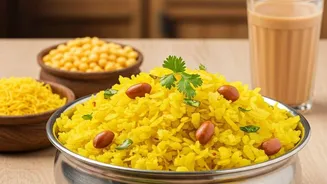
Poha: The Light Powerhouse
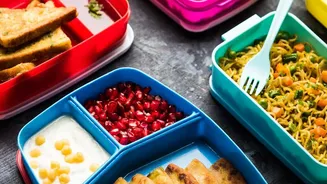
A staple across Western and Central India, Poha is flattened rice cooked with onions, spices, and often peanuts or vegetables. It's incredibly light on the stomach and easy to digest, making it an ideal start to the day. Nutritionally, Poha is a winner because it’s low in calories but rich in healthy carbohydrates, providing sustained energy. The traditional preparation process, where rice passes through iron rollers, fortifies it with iron, which helps combat anaemia. It's also considered a good probiotic food, supporting gut health. Adding vegetables and a squeeze of lemon juice not only enhances flavour but also boosts vitamin content and improves iron absorption.
Upma: The Wholesome Porridge
This savoury porridge, typically made from roasted semolina (rava/suji) and vegetables, is a comfort food classic from South India. Upma is an excellent source of complex carbohydrates that digest slowly, keeping you full and energised for longer. Packed with vegetables like carrots, peas, and beans, it delivers a healthy dose of fibre, vitamins, and minerals. Because it is cooked with minimal oil and is low in cholesterol, it's a heart-friendly choice that can aid in weight management. Semolina is also a good source of iron and potassium, which supports kidney function.
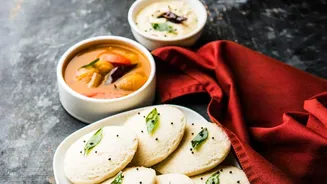
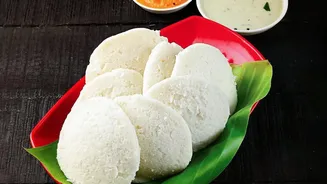
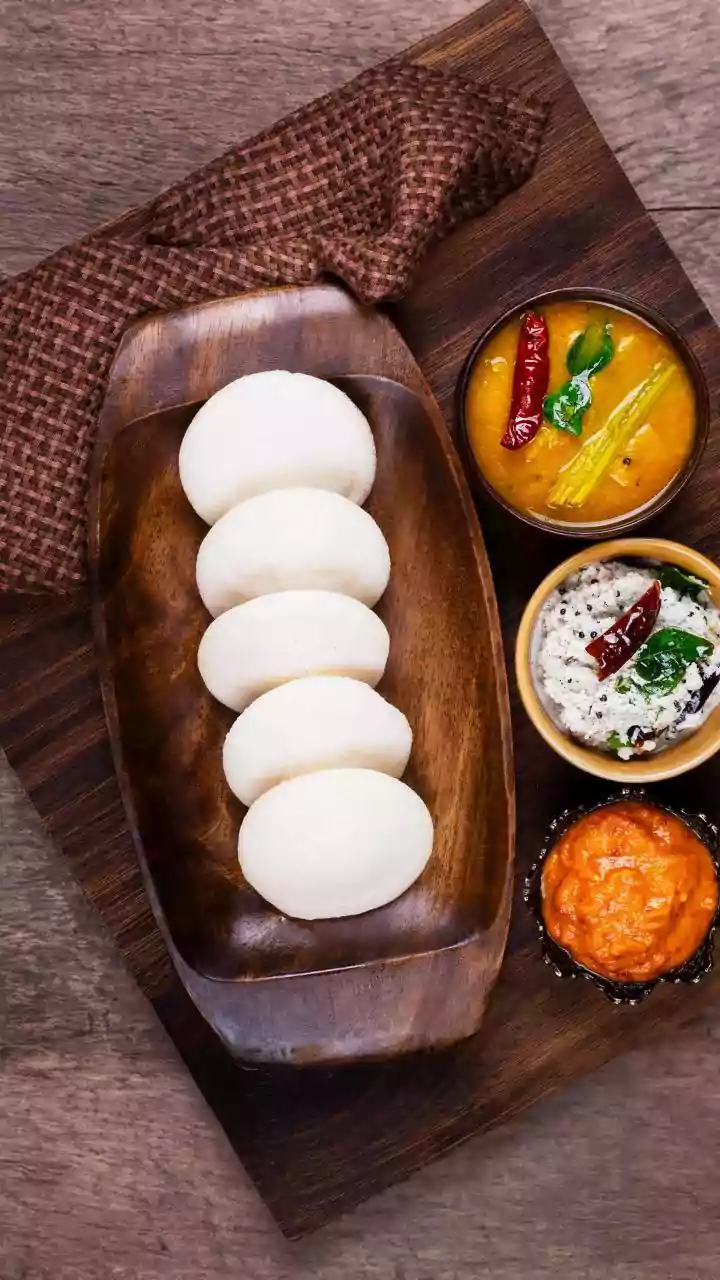
Idli-Sambar: The Fermented Wonder
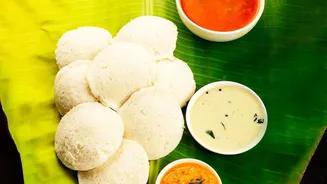
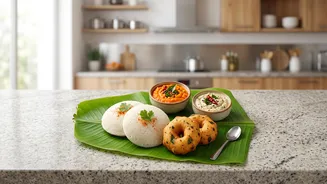
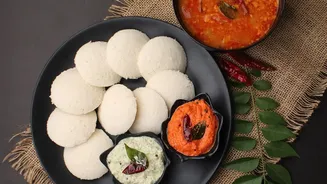
This iconic South Indian breakfast is a masterclass in nutrition. Idlis are steamed cakes made from a fermented batter of rice and urad dal (black lentils). The fermentation process breaks down complex nutrients, making them easier for the body to absorb, and creates beneficial probiotics for a healthy gut. Being steamed, idlis are free from oil and low in calories. Paired with Sambar, a lentil-based vegetable stew, the meal becomes a complete protein source. Sambar is loaded with fibre from lentils and a variety of vitamins and antioxidants from vegetables like drumsticks, pumpkin, and tomatoes. A plate of Idli-Sambar offers balanced macronutrients, providing energy, protein, and essential micronutrients.
Moong Dal Chilla: The Protein Pancake
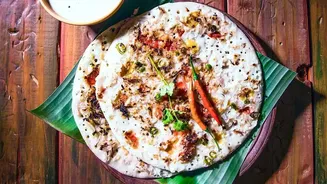
A popular choice in North India, the Moong Dal Chilla is a savoury pancake made from a batter of soaked and ground split mung beans. It is a fantastic source of plant-based protein, with a single chilla providing around 7-9 grams. Protein is crucial for muscle repair and keeps you feeling full, preventing unhealthy snacking. Moong dal is also rich in fibre, which aids digestion, and is packed with essential minerals like iron, potassium, and magnesium. These chillas are light, easy to digest, and can be customised with fillings like paneer or chopped vegetables to further boost their nutritional value.
Ragi Dosa: The Millet Marvel
Ragi, or finger millet, is an ancient super grain making a well deserved comeback. A dosa made from ragi flour is a significant nutritional upgrade over its rice based counterpart. Ragi is a phenomenal source of calcium—containing several times more than rice or wheat—making it excellent for bone health. It's also naturally gluten free and has a low glycemic index, which helps in managing blood sugar levels. Packed with dietary fibre and iron, a Ragi Dosa provides slow release energy, promotes satiety for weight management, and helps prevent anaemia.
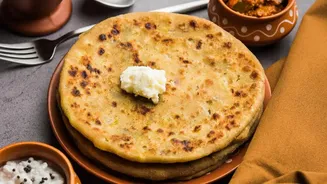
Thepla with Curd: The Balanced Flatbread
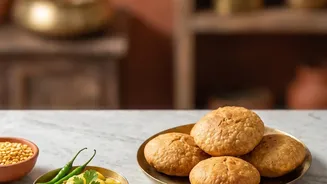
This Gujarati flatbread is much more than a simple roti. Theplas are typically made from whole wheat flour and often include fenugreek (methi) leaves, gram flour (besan), and spices. Methi leaves are rich in fibre, which aids digestion and helps regulate blood sugar. The combination of whole grains provides complex carbohydrates for sustained energy. Pairing thepla with curd (yoghurt) creates a balanced meal. The curd adds high quality protein and probiotics for gut health, while also providing calcium for strong bones. This combination is filling enough nutritious enough ,and perfectly balanced.
For a breakfast that is truly alive with nutrients ,look no further than a sprouts salad . The process of sprouting unlocks and enhances the nutritional value of legumes and seeds like moong , chickpeas ,and lentils . Sprouts are exceptionally high in protein ,fibre ,and enzymes that aid digestion . They are also low in calories but packed with vitamins C and K ,iron ,and folate . A bowl of sprouts salad ,perhaps tossed with chopped onions ,tomatoes ,and a squeeze of lemon ,boosts metabolism ,supports weight management by promoting fullness ,and strengthens the immune system .