





Make Your Roti a Fibre Hero
One of the simplest swaps is to reconsider your daily roti. Instead of using only refined white wheat flour (maida) or even standard atta, try incorporating whole grains. You can start by mixing in millet flours like jowar (sorghum), bajra (pearl millet),
or ragi (finger millet). These flours not only add a pleasant, earthy flavour but also significantly boost the fibre content of each roti. You don't have to switch completely overnight; begin by substituting a quarter of your regular atta with a millet flour and gradually increase the ratio as your palate adjusts. Even adding a tablespoon of ground flaxseed or oat bran to your dough can make a difference without noticeably changing the texture.
Rethink Your Relationship With Rice
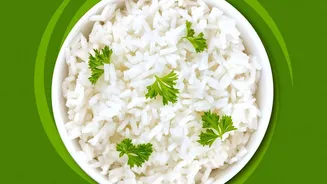
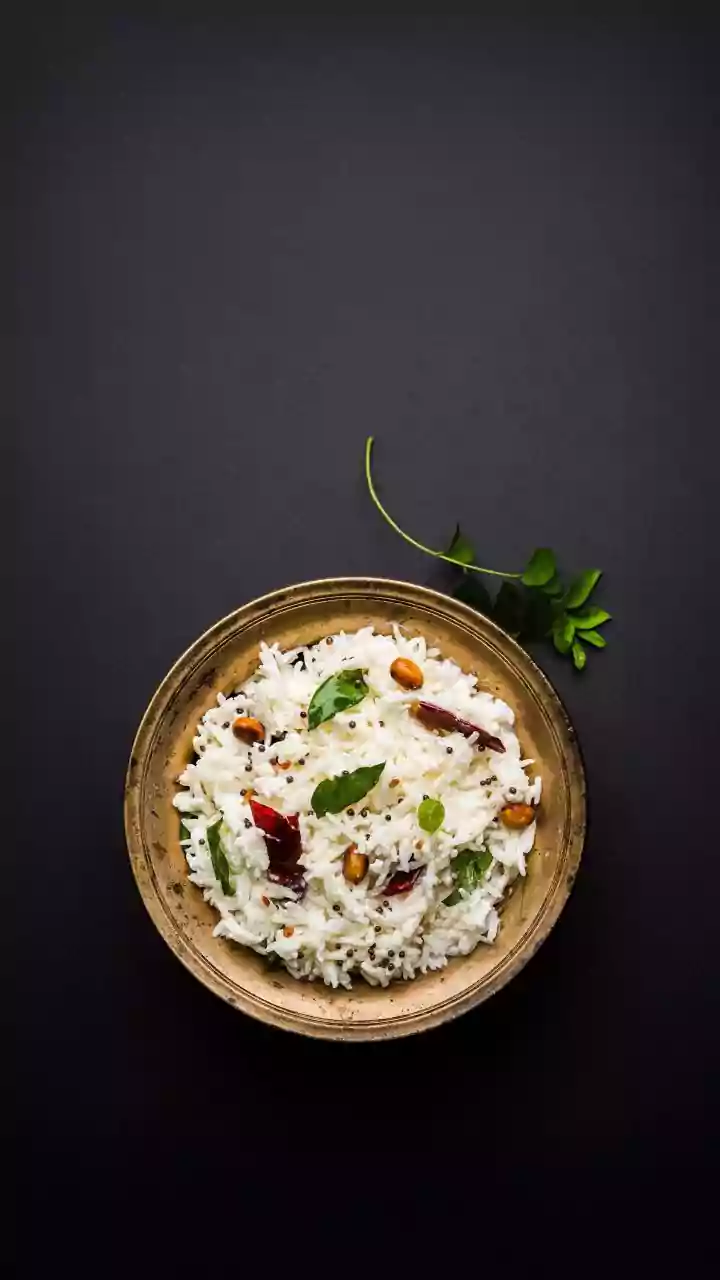
White rice is a staple in many Indian households, but polished grains have their fibre-rich outer layer, the bran, removed. A simple way to boost fibre is by swapping white rice for brown or red rice. These varieties retain the bran, offering more fibre, vitamins, and minerals. If your family is hesitant, try a phased approach. Start by mixing white and brown rice in equal parts. Over time, you can increase the proportion of brown rice. Another excellent option is to incorporate more vegetable pulaos or biryanis into your meal plan. Loading up your rice dishes with peas, carrots, beans, and cauliflower is a delicious way to increase fibre while making the meal more nutritious and filling.
Lean into Legumes and Dals
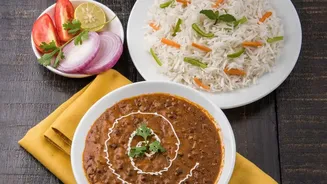
The incredible variety of dals and legumes in Indian cooking is your secret weapon for a high-fibre diet. Dishes made from rajma (kidney beans), chana (chickpeas), lobia (black-eyed peas), and whole lentils are fibre powerhouses. Aim to include at least one dal or legume-based dish in your main meals every day. Instead of a thin, watery dal, opt for a thicker preparation where the lentils are more intact. A hearty bowl of rajma or chole can provide a substantial portion of your daily fibre needs. Sprouts are another fantastic addition; use them in salads, add them to raita, or make a quick stir-fry for a fibre-rich snack or side dish.
Load Up Sabzis and Salads
Don't treat your sabzi as a minor side dish; make it a star. The easiest way to increase fibre is to simply add more vegetables to everything. Sneak grated carrots or chopped spinach into your dal, add extra peas and beans to your potato sabzi, and fill your parathas with finely chopped cabbage or methi alongside the usual fillings. Try to fill half of your plate with vegetables at lunch and dinner. Furthermore, don't underestimate the power of a simple kachumber salad. A small bowl of chopped cucumber, tomato, and onion with your meal adds raw fibre and freshness. For vegetables like cucumbers, apples, and carrots, avoid peeling them when possible, as much of the fibre is located in the skin.
Snack Smarter with Fruits and Nuts
Mid-meal hunger often leads to reaching for processed, low-fibre snacks like biscuits or chips. A simple and effective change is to snack on whole foods instead. Whole fruits like guavas, apples, oranges, and bananas are excellent sources of fibre. It’s important to eat the whole fruit rather than drinking its juice, as juicing removes most of the beneficial fibre. A handful of nuts like almonds and walnuts or a small bowl of roasted chana or peanuts can also provide a satisfying, fibre-filled crunch that keeps you full for longer. These snacks are not only better for your digestion but also provide sustained energy without the sugar crash.