
The Two Types of Iron
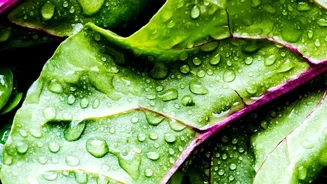
Understanding iron begins with knowing it comes in two forms: heme and non-heme. Heme iron, found in animal products like meat, poultry, and fish, is easily absorbed by the body. Non-heme iron is the type found in plant-based foods, including leafy greens
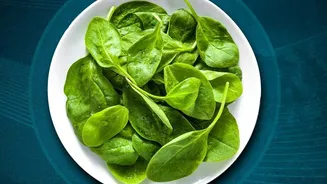
like spinach, as well as beans, lentils, and fortified cereals. The challenge for vegetarians and vegans is that non-heme iron is significantly harder for the body to absorb. Its absorption rate can be influenced by other foods you eat, meaning that just because a plant-based food is high in iron doesn't guarantee your body can use all of it.
Vitamin C: The Ultimate Iron Enhancer
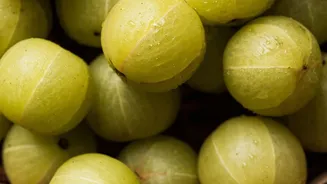
This is where Vitamin C, also known as ascorbic acid, plays a starring role. Decades of nutritional science have shown that Vitamin C is a powerful enhancer of non-heme iron absorption. The magic happens in your digestive system. Plant-based iron is typically in a form called ferric iron (Fe3+), which is difficult for our intestines to take in. Vitamin C works by converting this iron into ferrous iron (Fe2+), a form that is much more soluble and bioavailable for your body to absorb. Studies have shown this effect is significant; adding Vitamin C to a meal can increase non-heme iron absorption by two to six times, depending on the meal's composition, effectively counteracting many dietary inhibitors. So, the headline's claim of doubling absorption is not an overstatement—it might even be an underestimation in some cases.
Perfect Pairings for Your Plate
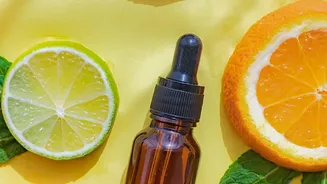
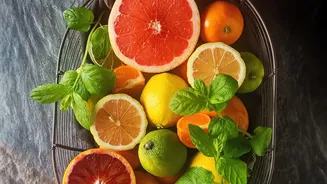
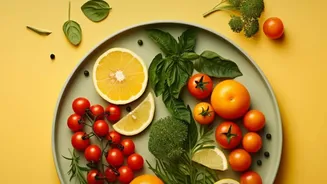
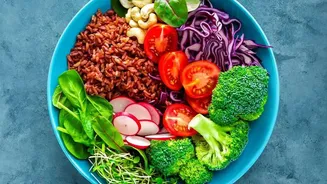
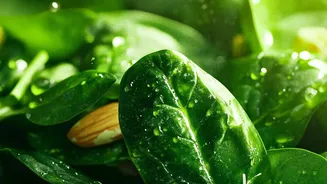
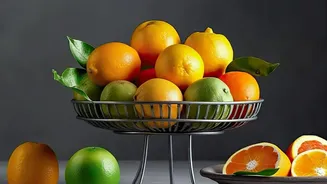
Putting this science into practice is both easy and delicious. The goal is to combine your iron-rich plant foods with a source of Vitamin C in the same meal. A classic example is a spinach salad. Spinach is loaded with non-heme iron, but drizzling it with a lemon-based vinaigrette provides the Vitamin C needed to maximize absorption. Think beyond just salads. A lentil soup can be finished with a squeeze of fresh lemon juice or a topping of fresh tomatoes. A tofu stir-fry becomes an iron-absorption powerhouse when you add bell peppers, which are packed with Vitamin C. Even your morning oatmeal, a good source of iron, gets a boost when topped with strawberries or kiwi. The key is to make these pairings a consistent habit.
Beyond the Squeeze: More Vitamin C Sources
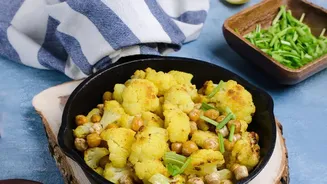
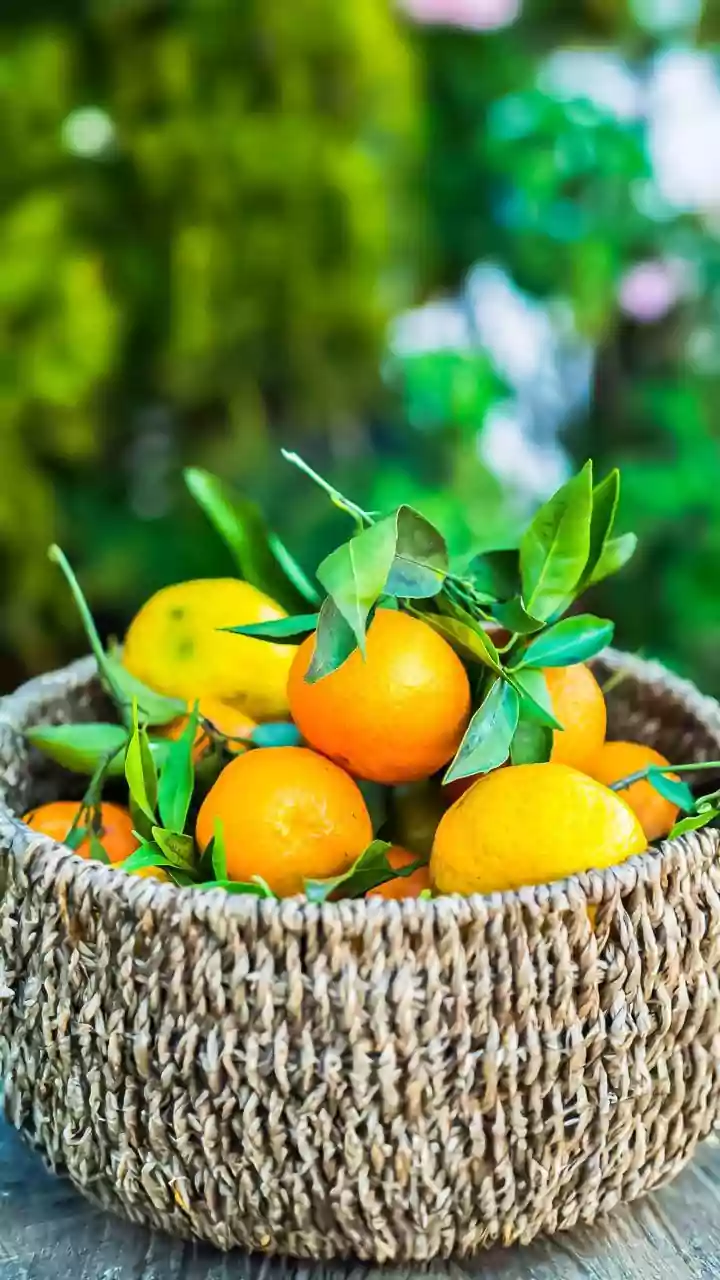
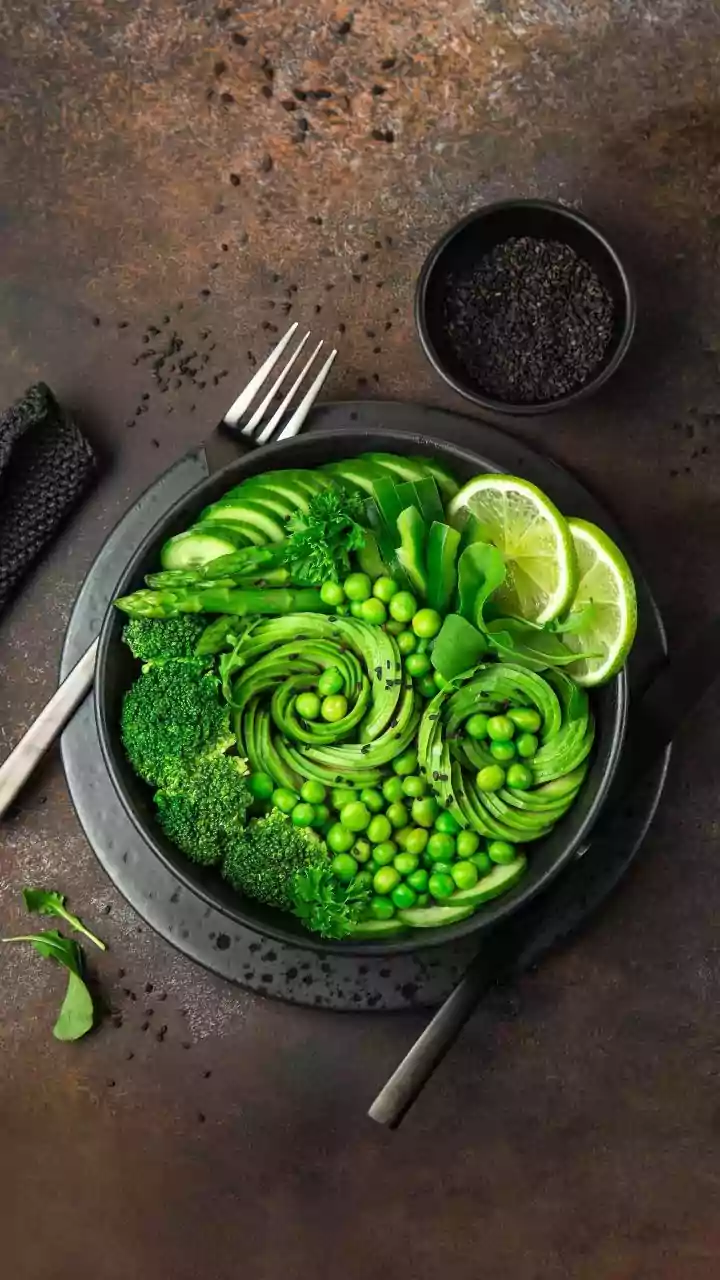
While a squeeze of citrus is a convenient go-to, many other foods are excellent sources of Vitamin C. Expanding your options can keep meals interesting and nutritionally potent. Bell peppers, particularly the red and green varieties, are champions of Vitamin C. Broccoli, Brussels sprouts, and cauliflower are also fantastic choices. On the fruit side, strawberries, papaya, pineapple, and cantaloupe are all loaded with this essential vitamin. Even potatoes and tomatoes contribute to your Vitamin C intake, helping to unlock the iron in your meals. By incorporating a variety of these fruits and vegetables into your cooking, you can ensure your body has the tools it needs to absorb iron effectively.
Watch Out for Iron Blockers
Just as Vitamin C enhances iron absorption, other compounds can block it. It's wise to be aware of these "iron inhibitors," especially if you are concerned about your iron levels. The main culprits are phytates, found in whole grains, legumes, and nuts, and polyphenols (like tannins) found in coffee and tea. Calcium from dairy products or supplements can also interfere with the absorption of both heme and non-heme iron. This doesn't mean you should avoid these foods, but rather be strategic about when you consume them. For instance, try to drink your morning coffee or tea at least an hour before or after your iron-rich breakfast to prevent interference.