





The Familiar Summer Scramble
For decades, the script for an Indian summer vacation has been straightforward: when the plains heat up, head for the hills. Destinations like Shimla, Manali, and Mussoorie became bywords for cool air and mountain vistas. However, in recent years, this
idyllic image has been fractured by reality. The dream of a quiet mountain retreat often dissolves into the nightmare of bumper-to-bumper traffic, overbooked hotels, and crowded promenades. Reports of eight-hour traffic jams and tourist quotas are now common, as these towns struggle under the pressure of their own popularity. What was once an escape from the city now often feels like just another crowded urban space, leaving many travellers wondering if the peace they seek has been lost to progress.
Enter the Vistadome Experience
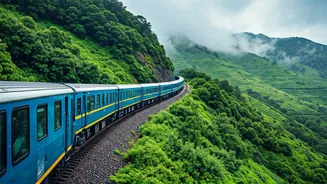
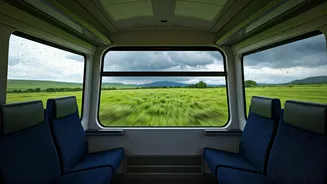
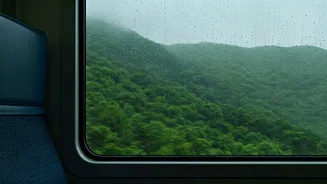
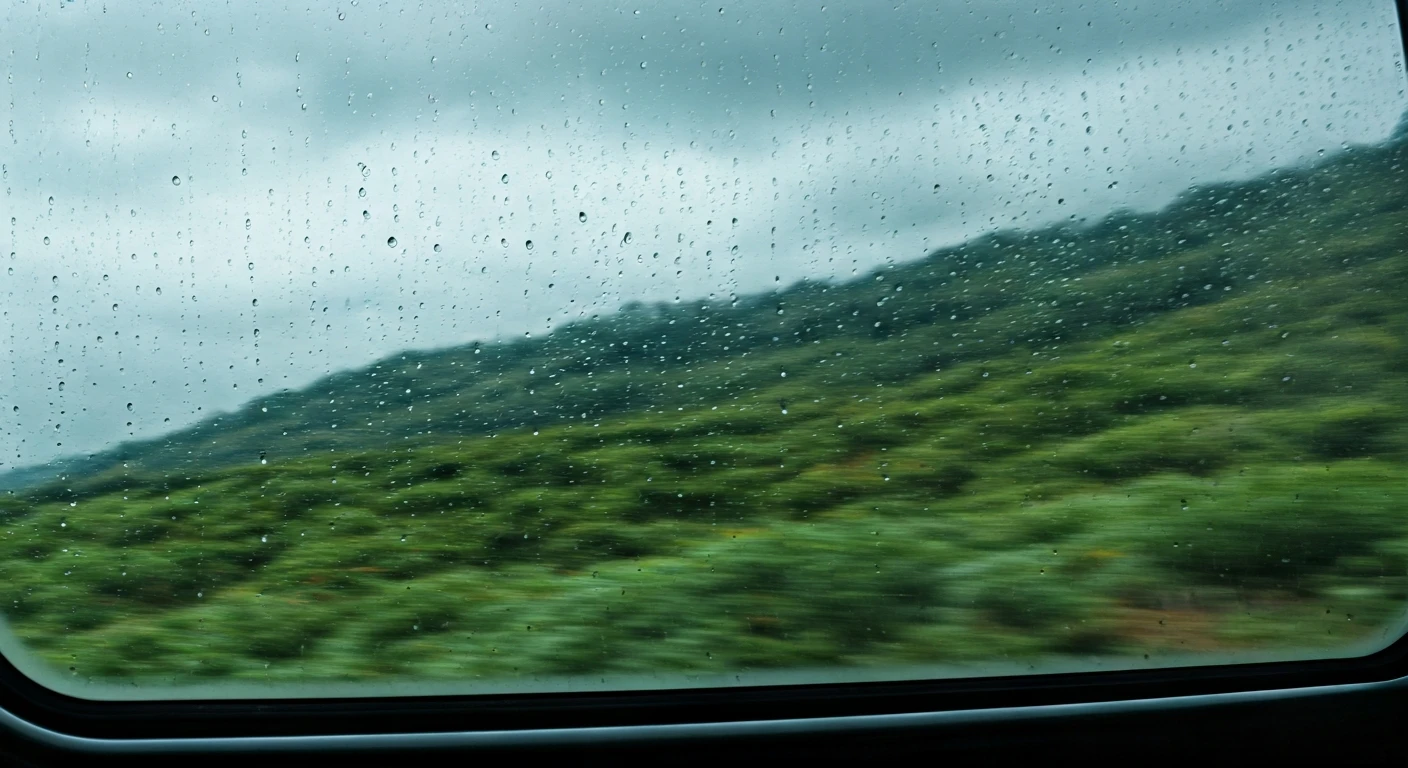
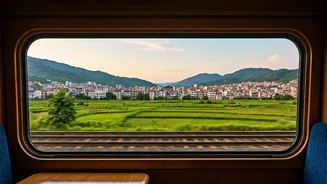
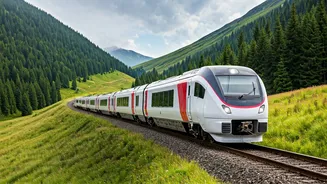
In response to this travel fatigue, a compelling alternative has been gaining momentum, not on winding mountain roads, but on steel tracks. Indian Railways' Vistadome coaches are redefining scenic travel, transforming the journey itself into the main attraction. These specially designed carriages feature panoramic windows, transparent glass roofs, and seats that rotate 360 degrees, ensuring that no vista is missed. First introduced in 2017 on the Visakhapatnam-Araku Valley route, these coaches are now attached to dozens of trains across the country, from the UNESCO-listed Kalka-Shimla line to the stunning Konkan coast route between Mumbai and Goa. They offer an immersive experience, inviting passengers to sit back and watch the landscape unfold in high definition.
Journey Over Destination
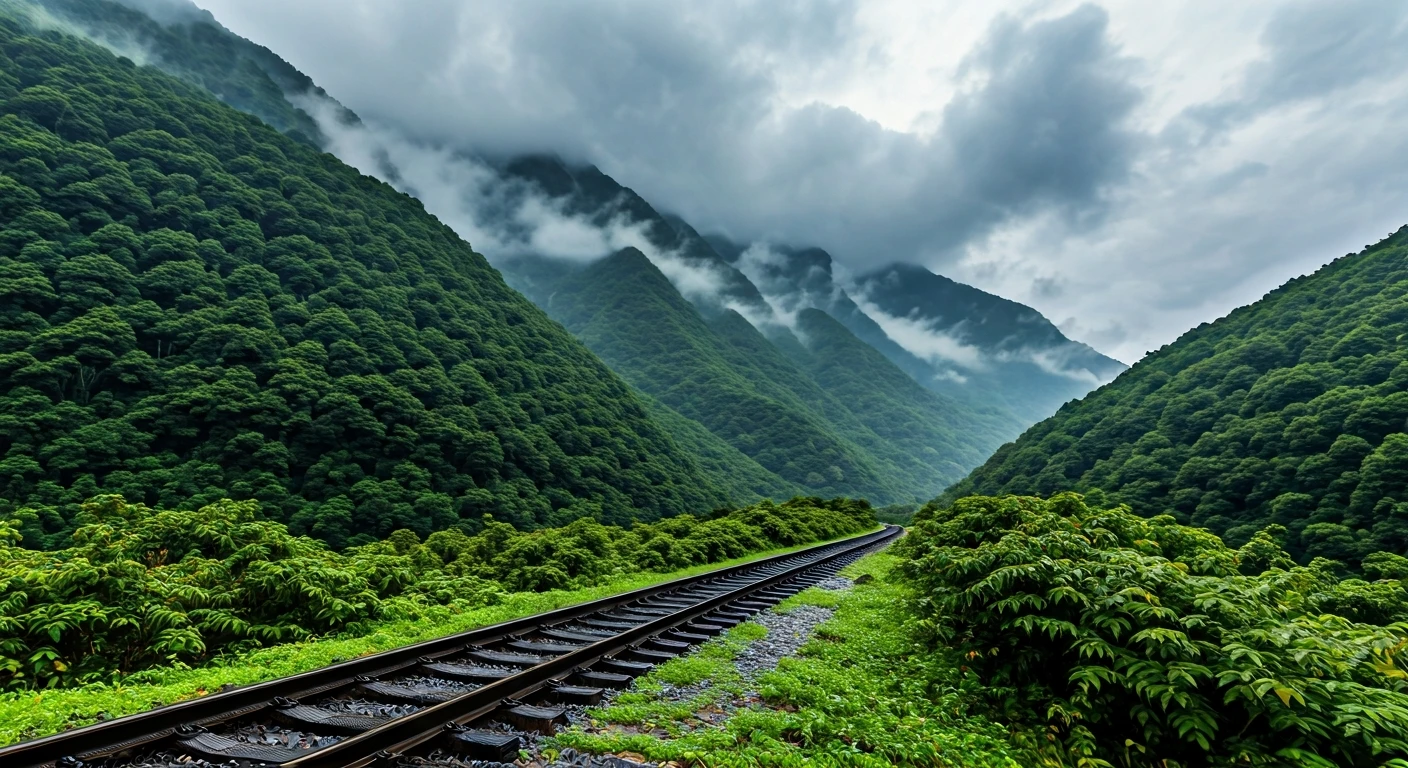
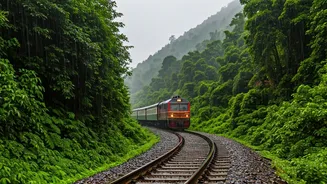
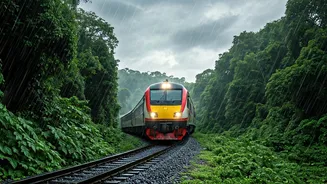
The rise of the Vistadome journey represents a fundamental shift in travel philosophy: from a frantic rush to a destination to a mindful appreciation of the journey. A traditional hill station trip is destination-focused, with the travel part often seen as a necessary inconvenience. The Vistadome experience flips this entirely. The five-hour journey on the Kalka-Shimla toy train, for instance, becomes the holiday itself. Passengers glide through over 100 tunnels and across 800 bridges, witnessing pine forests and deep valleys from the comfort of their seats. Similarly, the route from Mumbai to Goa showcases the dramatic beauty of the Western Ghats during the monsoon, with waterfalls and lush greenery best viewed from a wide train window. It’s a form of slow travel that prioritises experience over a packed itinerary.
A Tale of Two Vacations
Comparing the two experiences reveals a stark contrast. A day in a crowded hill station might involve navigating packed market streets, haggling for souvenirs, and queuing for viewpoints. A day on a Vistadome train is about uninterrupted panoramas. On the route from Bengaluru to Mangaluru, the train slows as it descends the Western Ghats through a 45-kilometre stretch of dense forest, offering a tranquil spectacle. On the new Badgam-Banihal route in Kashmir, passengers can witness the valley in its full glory, from the changing leaves of autumn to the pristine snows of winter, all through the glass ceiling. While one vacation is about doing and seeing things at a destination, the other is about simply being and observing the world as it passes by.
The Practical Considerations
Of course, this rail-based rival isn't a perfect one-to-one replacement. A train journey lasts hours, not days, and cannot substitute for a week-long stay in the mountains. However, it offers a powerful and refreshing alternative for a short break. The cost can be higher than a standard train ticket but is often comparable to or less than the expenses associated with a multi-day hill station trip, especially when factoring in accommodation and transport. Furthermore, it directly addresses the issue of overcrowding. Instead of contributing to the strain on a fragile hill town's resources like water and waste management, it provides a contained, curated experience. It's a different proposition: a concentrated dose of scenic beauty without the logistical hassles of a full-blown holiday.