








Understanding Your Inner Clock
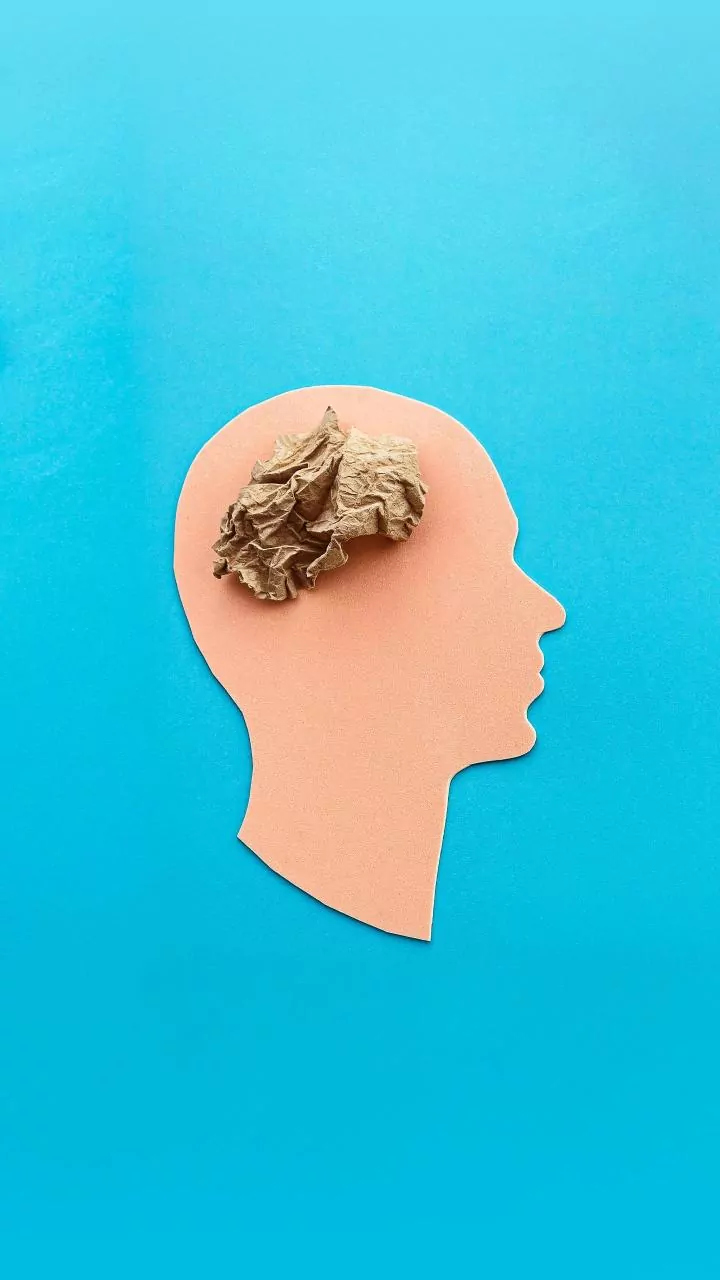
First, let's be clear: being a night owl is not a character flaw or a bad habit. It’s a chronotype, your body's natural, genetically influenced preference for when to sleep and when to be active. This internal clock, or circadian rhythm, dictates the
daily cycle of hormones, body temperature, and alertness that makes some of us early birds and others, well, owls. For night owls, or those with an 'evening chronotype', peak energy and productivity simply arrive later in the day, often long after morning larks have wound down. Fighting this inherent rhythm is not just difficult; it can be detrimental. The goal isn't to force a night owl into a morning person's routine, but to create structure within their natural timeline.
The Perils of an Unstable Schedule
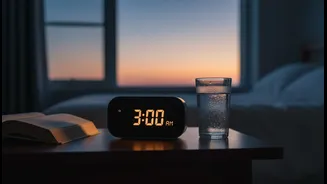
The main problem for many night owls isn't staying up late; it's the inconsistency. A late night on Tuesday, followed by an early start on Wednesday, then sleeping in until noon on Saturday creates a condition known as social jetlag. This term describes the mismatch between your body's internal clock and your social or work obligations. Constantly shifting your sleep schedule is like putting your body through a mini time zone change every few days, and the effects are far from pleasant. Studies have linked social jetlag to a host of issues, including an increased risk for obesity, heart disease, and type-2 diabetes. It can also lead to chronic fatigue, mood disturbances, reduced cognitive performance, and higher stress levels. An erratic schedule confuses your body and brain, making it harder to fall asleep, wake up, and function at your best.
Redefining 'Routine' for the Night Owl
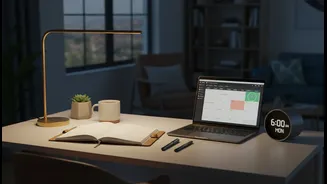
For a night owl, a predictable schedule doesn't mean waking up at 6 a.m. It means establishing consistency around your own biological rhythm. The key is regularity, not the specific hours on the clock. A beneficial routine for a night owl might involve waking up consistently at 9 or 10 a.m., even on weekends. This single act helps to anchor your circadian rhythm, making all other bodily processes more predictable. It also involves creating consistent meal times. Recent research highlights that when you eat is as important as what you eat, especially for evening chronotypes who may be more prone to poor metabolic health from late-night eating. Structuring work is also vital. By knowing your chronotype, you can schedule your most demanding mental tasks for your peak energy window in the late afternoon or evening, and reserve the morning for lighter activities.
The Tangible Benefits of Consistency
When you work with your chronotype instead of against it, the benefits are significant. Research has shown that when night owls adopt a more regular schedule—even one that is shifted later—they experience improved mood, with reported decreases in feelings of depression and stress. Cognitive and physical performance also gets a boost. One study found that simple routine adjustments led to faster reaction times and improved physical strength during their non-preferred morning hours. A stable schedule improves sleep quality, leading to deeper, more restorative rest which, in turn, enhances energy, focus, and emotional resilience. By reducing social jetlag, you give your body the stability it needs to regulate crucial hormones, manage stress, and maintain a healthier metabolism. You're not just avoiding the negative effects of a chaotic schedule; you're actively unlocking a higher level of well-being.
How to Build Your Predictable Night Owl Schedule
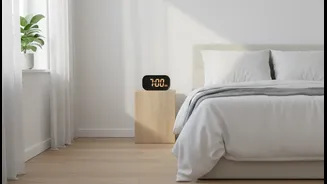
Building a routine takes time, but the payoff is worth it. Start by establishing a fixed wake-up time, seven days a week. It might be tough at first, but this is the most crucial step. From there, build other 'anchor points' into your day. Plan to eat your meals at roughly the same time each day, avoiding large, heavy meals too close to your late bedtime. Create a 'wind-down' ritual that signals to your brain it's time for sleep, such as reading a book, gentle stretching, or listening to calm music. Crucially, limit bright light and screen time in the hour or two before bed. Finally, schedule your tasks to align with your energy. If you know you're sharpest at 9 p.m., protect that time for deep work and don't feel guilty for being less productive at 9 a.m.