






2001: A Space Odyssey (1968)
Stanley Kubrick’s masterpiece is more than a film; it is a cinematic meditation on humanity's past and future. Released long before the age of digital effects, its visual grandeur remains breathtaking. Kubrick pioneered techniques that would define space
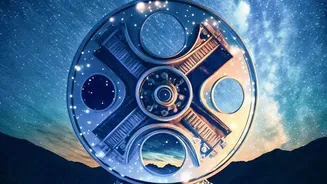
on screen for decades. Using meticulously detailed models, front projection, and colossal rotating sets to simulate artificial gravity, the film creates a sterile yet awe-inspiring vision of space travel. The iconic 'Stargate' sequence, a 23-minute light show of psychedelic colour and abstract shapes, was a revolutionary piece of visual music that pushed the boundaries of what cinema could be. It doesn't just show you space; it makes you feel its vast, silent, and mysterious presence, proving that groundbreaking artistry is timeless.
Gravity (2013)
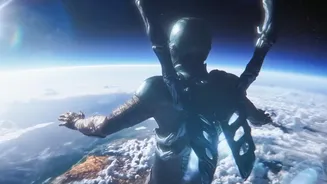
Alfonso Cuarón’s survival thriller is a masterclass in tension and immersion, designed from the ground up to be a visceral big-screen event. The film’s legendary long takes, choreographed with digital precision, place the viewer directly in the terrifying void of orbit alongside the astronauts. The visual effects team at Framestore developed entirely new technology, including the 'Lightbox'—a cube of LED panels that projected space environments onto the actors' faces—to simulate the lighting of Earth and sun in zero gravity. This blending of performance and technology creates a seamless and terrifyingly realistic depiction of being untethered in space. Winner of the Academy Award for Best Visual Effects, Gravity is less a movie about space and more a direct simulation of it, making the size of the screen directly proportional to the intensity of the experience.
Interstellar (2014)
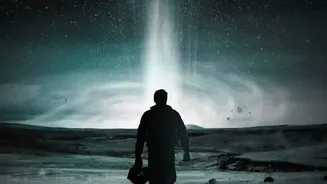
Christopher Nolan is a staunch advocate for practical effects and large-format filmmaking, and Interstellar is his cosmic opus. To minimize the use of green screens, Nolan's team projected pre-rendered visual effects onto massive screens behind the actors, allowing for authentic reactions and in-camera lighting. The film’s depiction of the wormhole and the black hole, Gargantua, was based on the theoretical physics of Nobel laureate Kip Thorne, resulting in scientifically-grounded visuals that felt both fantastical and real. Shot on a combination of 35mm and 70mm IMAX film, the sheer scale is staggering—from the towering 4,000-foot waves on Miller's planet to the quiet expanse of deep space. Nolan’s dedication to capturing as much as possible in-camera gives the film a tangible, weighty quality that digital effects often lack, creating a truly epic journey.
Dune (2021)
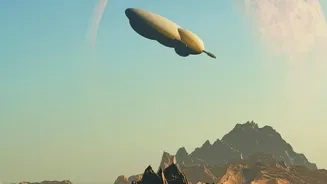
Denis Villeneuve’s adaptation of Frank Herbert’s novel is a testament to the power of scale and world-building. Dune feels massive because it is. Villeneuve and his cinematographer, Greig Fraser, create a sense of overwhelming size in every frame, whether it’s the colossal sandworms of Arrakis or the brutalist architecture of the Atreides’ fortress. The visual language of the film is one of texture, atmosphere, and immense weight. The Ornithopters, with their dragonfly-like wings, feel like genuine pieces of machinery. The desert landscapes are not just backdrops but living, breathing characters in the story. By grounding its futuristic designs in a sense of gritty reality and focusing on composition and scale, Dune creates a world that is not just seen but felt, demanding the largest canvas to fully appreciate its breathtaking scope.