





Come winter, the craving for a warm, comforting bowl of saag is undeniable. This beloved dish is a seasonal staple, but it's often surrounded by confusing health claims. Let's separate fact from fiction and explore how to enjoy it healthfully.
More Than Just Comfort Food
Saag is
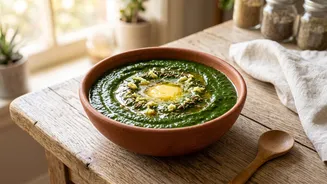
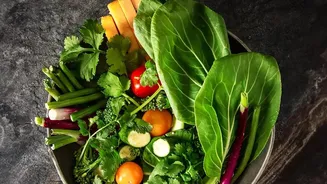
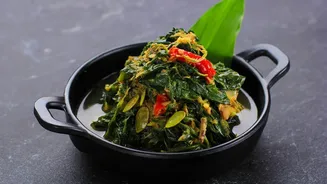
not a single recipe but a culinary technique from the Indian subcontinent for slow-cooking leafy greens. While 'sarson ka saag' (made from mustard greens) is the most famous, especially in Punjab, saag can be made from a variety of greens like spinach (palak), fenugreek (methi), or lamb's quarters (bathua). Traditionally, it involves simmering the greens for hours with ginger, garlic, and spices until they break down into a delicious, creamy paste. This slow-cooking process is key; it melds the flavours and transforms the texture of otherwise tough leaves into something deeply satisfying. It's a dish that represents seasonal eating at its best, providing warmth and nourishment when the body needs it most.
A Genuine Nutritional Powerhouse
Beneath its rustic charm, saag is packed with essential nutrients. The specific greens used determine the exact profile, but they are generally rich in vitamins and minerals. Mustard greens, the star of sarson ka saag, are loaded with Vitamin K, which is vital for bone health, and offer more Vitamin A than spinach and more Vitamin C than an orange. Spinach brings iron, calcium, and folate to the table. Most saag preparations are an excellent source of dietary fibre, which aids digestion and promotes a feeling of fullness. They also contain powerful antioxidants that help combat inflammation and support a healthy immune system, a welcome benefit during the cold and flu season.
Miracle Cure? Not Quite
Here’s where we need to be realistic. While terms like 'superfood' are often used, no single dish can be a miracle cure for all ailments. The benefits of saag are best understood in the context of a varied and balanced diet. Its nutritional density is undeniable, but it's not a magic bullet. For instance, while spinach contains iron, it also has compounds called oxalates that can limit the body's ability to absorb it. The real 'miracle' is consistency. Regularly including a variety of nutrient-dense foods like saag in your meals is far more effective than relying on one food for all your health needs. A healthy diet is about the sum of all its parts, not just one star ingredient.
How Preparation Changes Everything
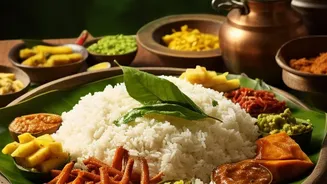
A bowl of saag by itself is quite low in calories; 100 grams of raw mustard greens has only about 26 calories. However, the traditional preparation style significantly alters its final nutritional value. Saag is often finished with a generous 'tadka' of ghee or butter and served with makki ki roti (cornbread) and a dollop of white butter. While these fats add immense flavour, they also increase the calorie and saturated fat content. Interestingly, fat is necessary for your body to absorb the fat_soluble vitamins (A, D, E, and K) found in leafy greens. The key is moderation. You need some fat for nutrient absorption, but being mindful of the amount of ghee or cream used allows you to get the benefits without overloading on calories.
Enjoying Saag the Smart Way
You don't have to sacrifice flavour to enjoy saag as part of a healthy diet. For a lighter version, try reducing the amount of ghee in the tadka or using buttermilk instead of heavy cream to achieve a creamy texture. Pay attention to your accompaniments. Pair your saag with a whole_wheat roti instead of fried bread and add a side of lean protein like grilled paneer or a bowl of dal to make it a more complete meal. You can also boost the nutritional variety by mixing in other vegetables, such as finely chopped carrots or radishes, during the cooking process. The goal is to integrate this delicious dish into a balanced eating pattern, enjoying its authentic taste while making small, sustainable adjustments for your health.