





The Two-Minute Inspection Rule
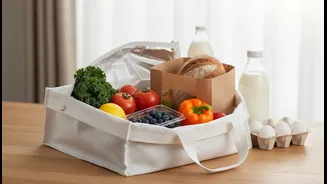
The most critical moment for food safety is the moment your order arrives. Don't just put everything away. Take two minutes to perform a quick inspection right at your doorstep. The speed of quick commerce means items pass through many hands and temperature
zones rapidly. Recent consumer complaints and regulatory actions highlight instances of spoiled, damaged, or expired goods being delivered. By checking immediately, you can identify issues and report them through the app instantly. Before disposing of any problematic item, take clear photos of the product, its packaging, and the expiry date as evidence for your complaint.
Decoding 'Expiry' vs. 'Best Before'
Understanding labels is key to avoiding risk. The Food Safety and Standards Authority of India (FSSAI) has clear definitions for these terms. An 'Expiry Date' or 'Use-By Date' is about safety; you should never consume a food item after this date as it can be harmful. A 'Best Before' date, however, relates to quality. The food may lose some flavour, aroma, or nutritional value after this date but is often still safe to consume if stored properly. For products like bread, which have a short shelf life, receiving an item close to its 'Best Before' date is a common issue, so always check.
Your Checklist for Fresh Produce
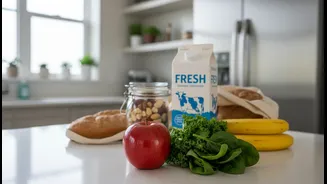
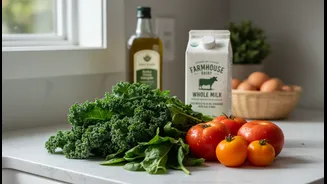
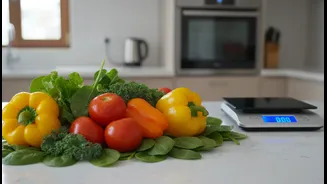
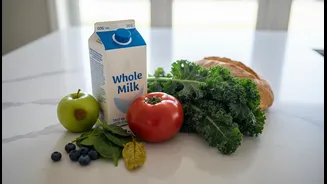
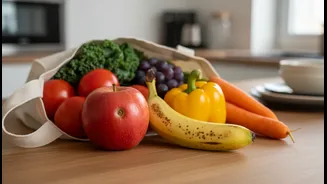
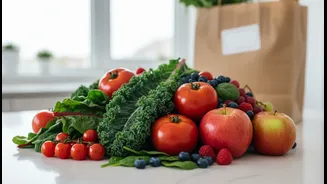
Fruits and vegetables are among the most common items ordered. Look for clear signs of spoilage. For leafy greens like spinach or coriander, check for wilting, yellowing, or sliminess. With vegetables like tomatoes, cucumbers, and bell peppers, look for soft spots, mould, or deep bruises. Fruits should be firm and free of cuts or mouldy patches. The convenience of pre-cut vegetables comes with a shorter shelf life, so they require an even closer inspection for any signs of discolouration or dryness.
Dairy and Meats: The Cold Chain Is King
Perishable items like milk, paneer, yogurt, chicken, and fish are the most vulnerable to spoilage if not kept at the right temperature. When your order arrives, these items should feel cold to the touch. Check for damaged or leaking packaging. Puffed-up yogurt containers or milk cartons can be a sign of bacterial growth. For paneer, a sour smell or slimy texture indicates it has gone bad. With fresh meat or seafood, trust your senses; any off-putting smell is a major red flag, and the product should be discarded and reported immediately. Proper temperature control in dark stores and during delivery is a known challenge for the quick-commerce industry.
Pantry Staples: Check the Seals and Packaging
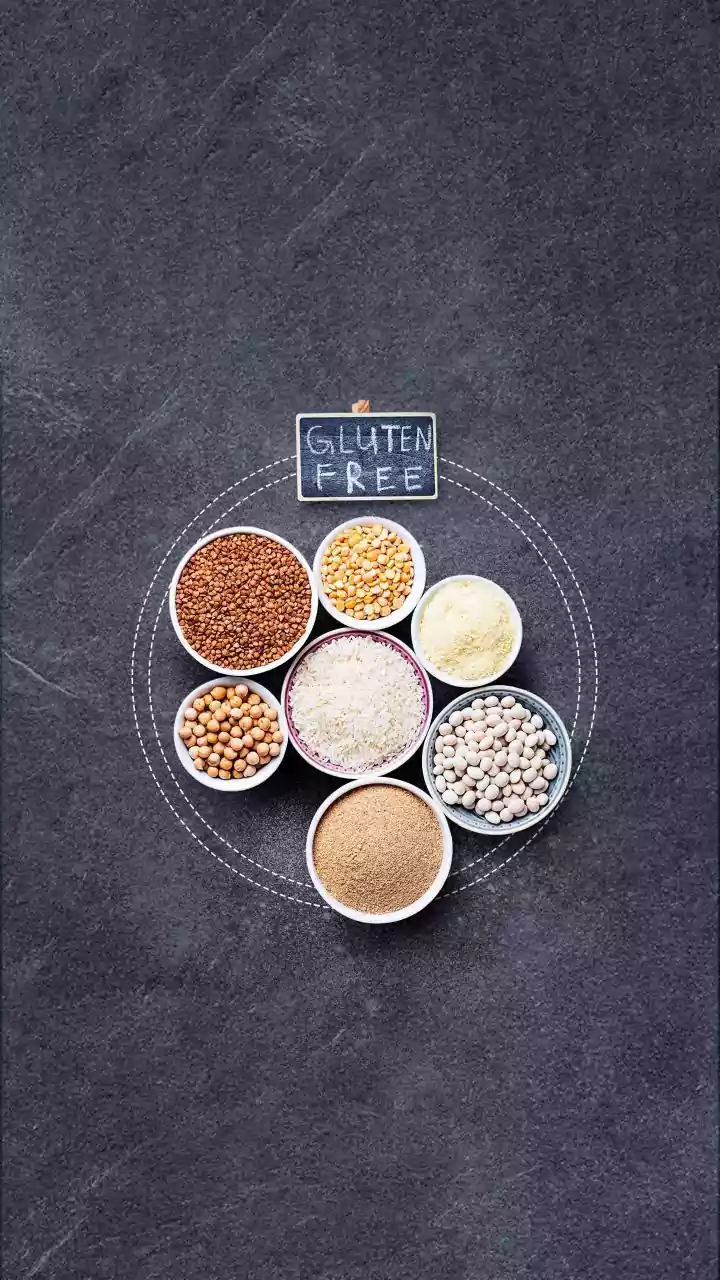
For dry goods like dals, rice, atta, spices, and biscuits, the main concerns are pests, moisture, and authenticity. Inspect the packaging thoroughly. Look for any tiny holes, tears, or signs of tampering, which could indicate a pest infestation. Ensure that all seals on jars and packets are intact. A broken seal compromises the product's safety and freshness. FSSAI regulations require that the seller's license number be visible, so be wary of products with missing or dubious labels.
Smart Storage After Your Checks
Once you've confirmed your groceries are safe, proper storage is the next step to maximise their life. Refrigerate all perishables like dairy, meat, and most vegetables within two hours of delivery. Store raw meat on the bottom shelf of your fridge to prevent its juices from dripping onto other foods. Keep fruits and vegetables in the crisper drawer. Some items like potatoes, onions, and garlic should be stored in a cool, dark, and dry place, but not in the refrigerator. Once opened, transfer pantry items like dals and spices into airtight containers to protect them from humidity and pests.