





The Philosophy of Vrat ka Khana
Navratri fasting is a spiritual practice that involves abstaining from certain foods to detoxify the body and focus the mind. The rules are rooted in Ayurvedic principles, favouring 'sattvic' or pure foods. Common grains like wheat and rice, lentils,
onions, and garlic are avoided. Instead, the pantry makes way for ingredients like buckwheat flour (kuttu ka atta), water chestnut flour (singhare ka atta), amaranth (rajgira), and barnyard millet (samak chawal). Rock salt, or sendha namak, replaces regular table salt as it is considered a purer, unprocessed form. These ingredients are not just substitutions; they are light on the digestive system and provide sustained energy, making them ideal for a period of fasting and reflection.
North India's Hearty Platters
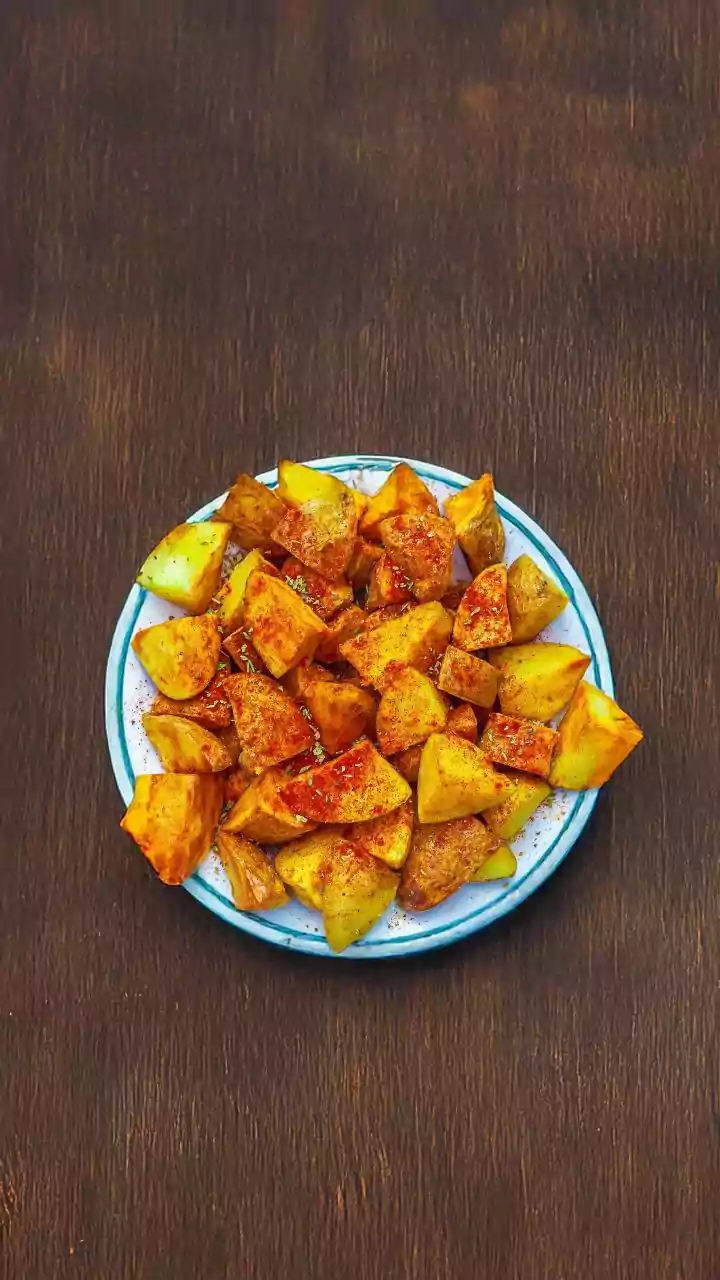
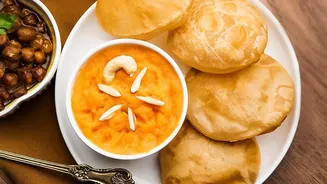
In North India, Navratri fasting meals are wholesome and deeply satisfying. A classic thali would feature Kuttu ki Puri, a deep-fried bread made from buckwheat flour, which has a distinct nutty flavour. This is often paired with a simple but flavourful Aloo ki Sabzi, a potato curry cooked with tomatoes and seasoned with cumin and green chillies, using only rock salt. Another staple is Samak ke Chawal, or barnyard millet, which is cooked like rice and can be made into a pulao or a creamy khichdi. For snacks, Kuttu ke Pakore (buckwheat fritters) are a crunchy delight, perfect for evening cravings.
Western India's Comforting Delights
Maharashtra and Gujarat have contributed some of the most beloved fasting dishes to the national palate. Sabudana Khichdi is arguably the star of the show. Originating in Maharashtra, this dish of soaked tapioca pearls, roasted peanuts, potatoes, and mild spices is a delightful mix of soft and crunchy textures. Another popular choice is Sabudana Vada, a crispy fritter made from tapioca and potatoes, often served with a yogurt-based chutney. In Gujarat, you'll find 'farali' (fasting) versions of many dishes, like Farali Pattice, which is a potato cutlet stuffed with a sweet and spicy mixture of coconut and nuts. Moraiyo, or barnyard millet, is also used to make a savory porridge similar to khichdi.
South India's Protein-Packed Offerings
In South India, Navratri is often celebrated as Golu, where intricate displays of dolls are a highlight. The food traditions here are distinct. Instead of grain-free fasting for all nine days, the focus is on offering 'prasadam'. The most iconic Navratri dish from this region is Sundal, a simple and protein-rich preparation of boiled legumes like chickpeas, peanuts or black-eyed peas, tempered with mustard seeds, curry leaves, and fresh coconut. Different types of sundal are often made on each of the nine days. Sweet offerings are also central, with Payasam (a creamy pudding similar to kheer) being a favourite. It can be made with rice, vermicelli, or even sago pearls.
Eastern India's Festive Feasts
In West Bengal and other eastern states, Navratri coincides with Durga Puja, the region's biggest festival. While elaborate fasting is less common, the food served as 'bhog' (offering to the goddess) is strictly vegetarian and prepared without onion or garlic. The quintessential bhog is Bhoger Khichuri, a flavourful mix of roasted moong dal and gobindobhog rice, cooked with vegetables and aromatic spices. This is often served with Labra, a mixed vegetable dish, and Beguni (eggplant fritters). While not strictly 'vrat' food in the North Indian sense, these dishes represent the pure, festive vegetarian cooking that is central to the spirit of the celebration.








