







You may never get to visit another world, but your name can. NASA is offering the public a unique chance to be part of a historic journey across the solar system by sending their names to Saturn's largest and most mysterious moon, Titan.
Your Ticket to a Distant World
NASA has officially
launched its 'Journey to Titan' campaign, inviting people from all over the world to add their name to a microchip that will be placed aboard the Dragonfly rotorcraft. This ambitious mission is scheduled to launch in 2028 and travel nearly a billion miles to arrive at Titan in 2034. By participating, you become a symbolic passenger on one of the most exciting space missions of our time. This tradition follows previous successful campaigns, where millions of names were sent aboard probes like the Perseverance rover on Mars. However, the Dragonfly mission could become the most distant destination ever reached by these public 'passengers' on a landing mission.
How to Secure Your Boarding Pass
Securing a spot for your name is a simple process. Interested individuals can visit NASA's official campaign website to fill out a short form with their details. After submitting, participants receive a personalised digital 'boarding pass' as a souvenir of their involvement in this historic journey. The deadline for submissions is January 15, 2027. There is also an option to sign up for a virtual guest program, which will provide email updates on the mission's progress, from its final preparations on Earth to its incredible journey and exploration of Titan.
Introducing the Dragonfly Mission
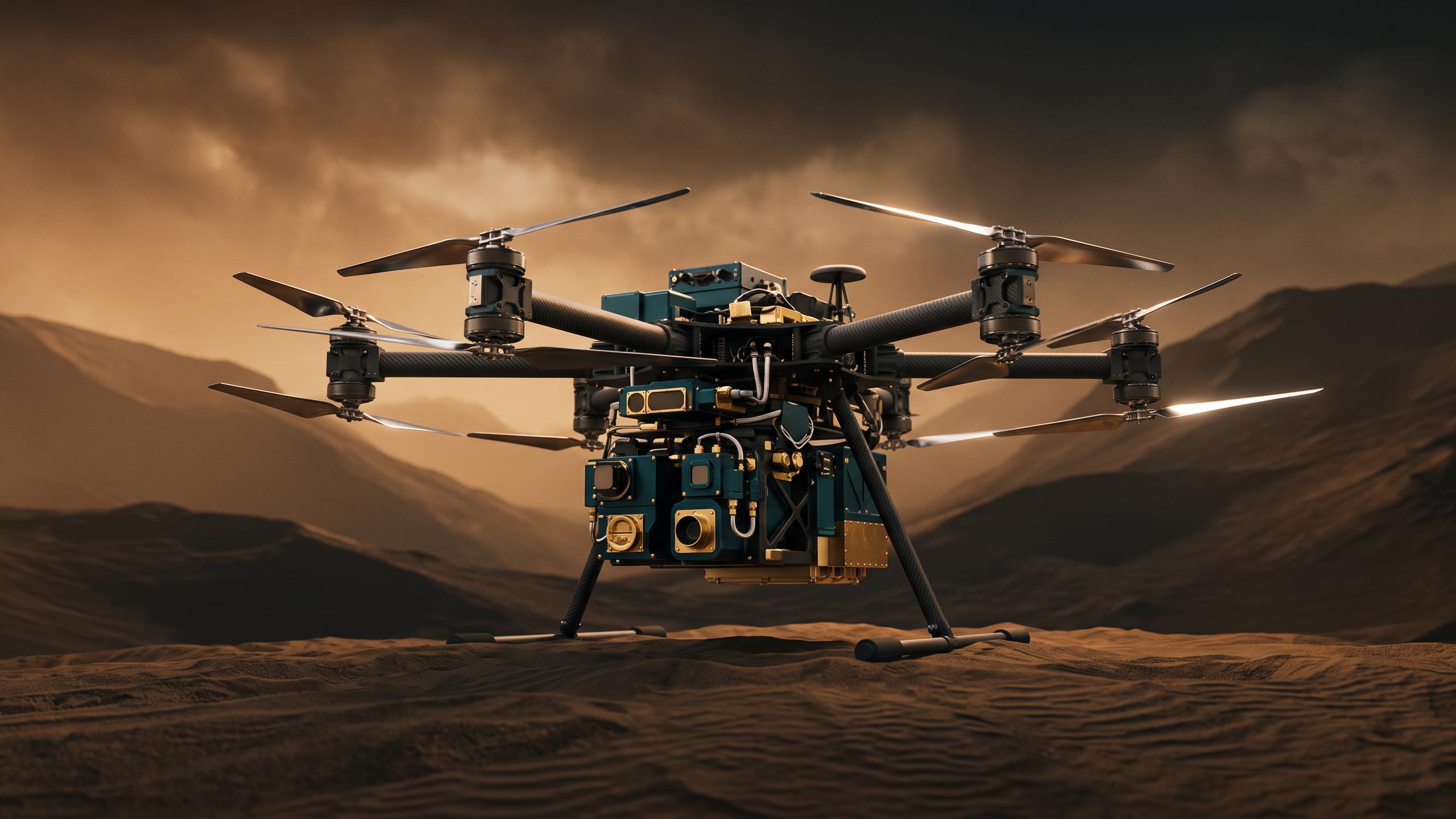
So, where exactly is your name going? Dragonfly is not a typical rover. It's a car-sized, nuclear-powered quadcopter, a robotic rotorcraft designed to fly through Titan's dense atmosphere. Titan's thick atmosphere and low gravity make it an ideal environment for aerial exploration. This allows Dragonfly to fly between various locations on the moon, covering far more ground than a traditional lander could. The spacecraft, currently being assembled at the Johns Hopkins Applied Physics Laboratory, will be the first of its kind, an airborne science laboratory on another world.
Why Titan is So Special
Saturn's largest moon, Titan, is a world unlike any other in our solar system. It is considered one of the most Earth-like worlds known, with a thick atmosphere, weather, seasons, and a landscape of dunes, rivers, and lakes. However, its rivers and lakes are filled with liquid methane and ethane, not water, and its surface is rich in complex organic materials. Scientists believe Titan holds crucial clues about 'prebiotic chemistry'—the chemical processes that occurred before life emerged on Earth. Beneath its icy shell, Titan is also thought to have a vast liquid water ocean, making it a prime target in the search for habitable environments beyond our planet.
A Search for the Building Blocks of Life
The primary goal of the Dragonfly mission is to search for the building blocks of life. As it hops from one location to another, the rotorcraft will use its suite of scientific instruments to sample and analyse the surface material. By studying diverse geological sites, from sand dunes to the floor of an impact crater, scientists hope to understand how far the process of creating life's ingredients has progressed on Titan. As Nicky Fox, an associate administrator at NASA, stated, the mission will 'unlock the secrets of the universe' by exploring a world that could tell us more about the origins of life itself.