


The Crown Jewel of Spices
Saffron is derived from the dried stigmas of the Crocus sativus flower, and its high price comes from the labour-intensive harvesting process—each flower produces only three delicate threads, which must be picked by hand. It takes around 150,000 flowers
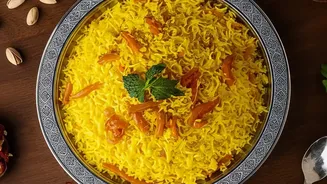
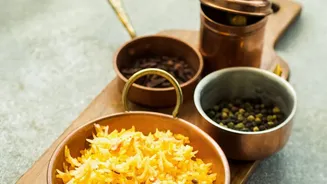
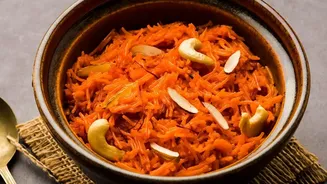
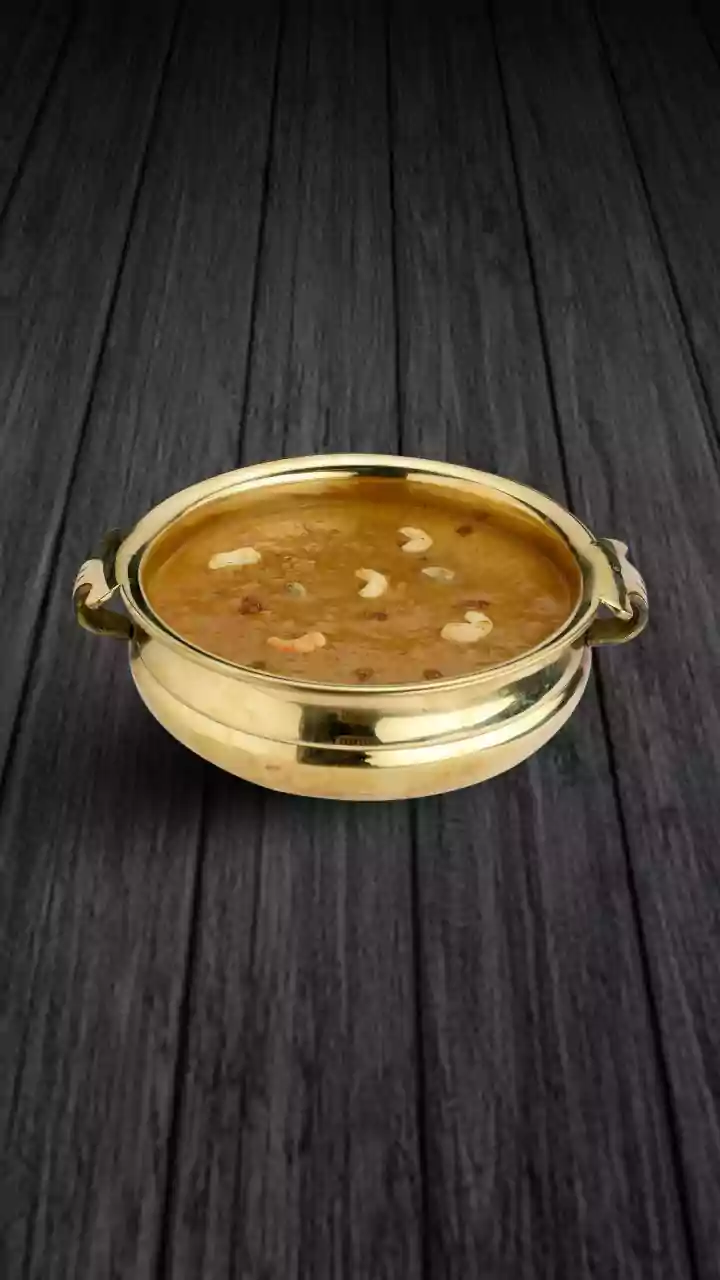
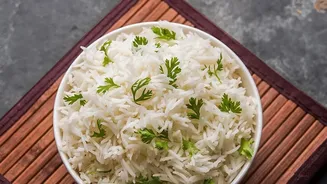
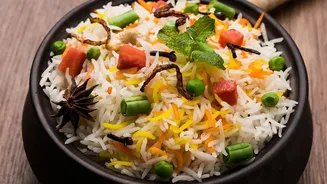
to produce a single kilogram of saffron. In cooking, it imparts a beautiful golden-yellow hue and a complex flavour profile often described as floral, earthy, and subtly honey-like. While used across many cuisines, it holds a special place in Indian celebratory dishes, transforming simple rice into something truly regal, like Biryani, Pulao, and Zarda.
How to Buy Quality Saffron
Not all saffron is created equal, and buying high-quality threads is the first step to a great dish. Look for whole threads, not powder, as powders are often adulterated with other substances like turmeric or safflower. The best saffron consists of deep, uniformly red threads with a trumpet shape at one end. Avoid threads with a lot of yellow or white portions, as these parts of the plant's style have no culinary value and add dead weight. A strong, fresh, and earthy aroma is a key indicator of quality; if it smells musty or like hay, it’s likely old. A simple home test involves dropping a few threads in cool water. Real saffron will slowly release a golden colour over 10-15 minutes, while the threads themselves remain red. Fake saffron often bleeds colour instantly.
Unlocking Flavour: The Blooming Method
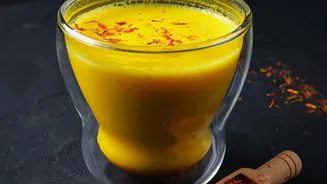
The most critical mistake when using saffron is adding the dry threads directly to a dish. To unlock its full potential, saffron must be 'bloomed'. This simple process involves steeping the threads in a warm liquid to draw out the compounds responsible for colour, aroma, and taste. Gently crush a pinch of saffron threads—about 15-20 threads for a dish serving four—using a mortar and pestle or between your fingertips. Place the crushed saffron in a small bowl and pour over 2-3 tablespoons of warm (not boiling) liquid. Using boiling liquid can damage the delicate aromatic compounds. For Indian rice dishes, warm milk or water are excellent choices. Let it steep for at least 15-20 minutes; the liquid will turn a deep golden-orange. This infused liquid, along with the softened threads, is what you'll add to your cooking.
From Biryani to Pulao: Timing Is Everything
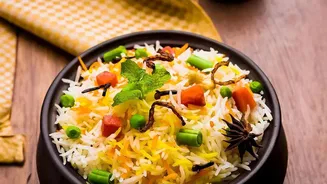
When you add the bloomed saffron is crucial for preserving its delicate aroma. Adding it too early in the cooking process can cause the fragrance to fade with prolonged heat exposure. For dishes like Biryani and Pulao, the saffron-infused liquid is typically drizzled over the top layer of rice just before the final 'dum' or steaming stage. This method creates the iconic appearance of golden streaks weaving through the white rice grains and ensures the full aroma is captured. For a simpler saffron rice, you can stir the bloomed liquid into the pot after the rice has cooked or during the last few minutes of simmering. This ensures the colour distributes evenly without overcooking the spice. Always add both the liquid and the softened threads to your dish to get the full benefit.
Common Mistakes to Avoid
Beyond skipping the blooming process, there are a few other pitfalls to avoid. First, be careful not to use too much saffron. While it seems counterintuitive for such a precious spice, an excess amount can make a dish taste unpleasantly bitter or medicinal. A small pinch is almost always sufficient. Second, never add saffron threads directly to hot oil, as this will scorch them instantly and destroy their flavour. Finally, ensure proper storage. Keep your saffron in an airtight container in a cool, dark place away from light and moisture to preserve its potency for as long as two to three years.