







Who Is Checking the Kitchens?
The primary body overseeing food safety in India is the Food Safety and Standards Authority of India (FSSAI). Under its broad 'Eat Right India' initiative, the FSSAI introduced the Hygiene Rating Scheme. This is a voluntary system where restaurants and other
food businesses can be audited and rated for their food safety practices. The inspections themselves are often carried out by FSSAI-empanelled third-party audit agencies or local Food Safety Officers (FSOs). While the national scheme is voluntary, some local municipal bodies, like the MCD in Delhi, have also started implementing their own mandatory hygiene grading systems inspired by international models. The goal of all these initiatives is to create a transparent system that helps you, the diner, see which establishments are committed to cleanliness.
What Do Inspectors Actually Look For?
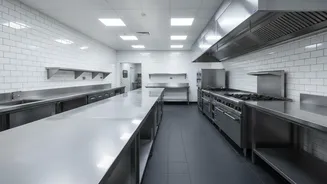
An inspector’s checklist is thorough and covers the entire journey of food from storage to your plate. Key areas include personal hygiene of the staff, ensuring they wear clean uniforms, caps, and gloves. They check for proper food storage, a critical point being the strict separation of raw meat from ready-to-eat foods to prevent cross-contamination. Temperature control is another major focus: are refrigerators cold enough (below 5°C) and is hot food held at a safe temperature (above 60°C)? The overall cleanliness of the premises, including floors, walls, and equipment, is scrutinised, along with effective pest control measures and proper waste disposal systems. Inspectors also verify that the restaurant has a valid FSSAI license, a trained Food Safety Supervisor, and displays important information for consumers.
Decoding the Hygiene Ratings
The FSSAI's national scheme uses a simple 5-point rating, often represented by smileys. A rating of 3 stars/smileys or above is generally considered 'Good'. A 5-star rating indicates 'Excellent' hygiene practices, meaning the establishment scored over 90% on its audit. Conversely, a 1 or 2-star rating signals a need for significant improvement. These ratings are based on a detailed checklist where points are awarded for compliance in areas like food handling, cleanliness, pest control, and water safety. Some local bodies may use a different scale; for example, Delhi's new system uses grades from 'A' (best) to 'D' (worst), where even a few critical violations can lead to a 'D' grade.
How You Can Use This Information
The entire purpose of this system is to empower you. Restaurants that participate in the Hygiene Rating Scheme are encouraged to prominently display the certificate with their rating at their entrance or billing counter. Before you even walk in, you can look for this certificate. Additionally, the FSSAI maintains an online portal where you can search for the hygiene rating of certified businesses. There are also dedicated mobile apps that provide this information at your fingertips. If you're ordering online, some food aggregator platforms have also started integrating these ratings into restaurant listings, giving you another point of reference. Don't see a rating? You have the right to ask the manager if the restaurant has been certified.
Beyond the Rating: Your Own Quick Check
An official rating is a great starting point, but you can also be your own first line of inspection. When you enter a restaurant, take a moment to observe. Is the dining area clean? Are the tables wiped down promptly? Pay a visit to the washroom; its state of cleanliness often reflects the kitchen's hygiene standards. Observe the staff. Do they look tidy and professional? While you can't see the kitchen, these clues from the front-of-house can give you a general sense of the establishment's overall commitment to cleanliness and order. A recent inspection drive in Bengaluru, for instance, was prompted by public complaints and social media posts, showing that consumer vigilance plays a crucial role in upholding standards.