





Preparing Your Winter Garden
Success in container gardening starts with the right foundation. For most winter plants, a well-draining, nutrient-rich potting mix is essential. You can create an excellent all-purpose mix by combining garden soil, organic compost or vermicompost, and
cocopeat. A common ratio is 40% soil, 30% compost, and 30% cocopeat. This blend provides structure, feeds your plants, and retains moisture without becoming waterlogged, a common issue in pots. Ensure every pot, whether it's a 6-8 inch pot for spinach or a larger 10-12 inch one for chrysanthemums, has drainage holes at the bottom to prevent root rot. Most winter plants thrive with at least four to six hours of sunlight, with morning sun being ideal as it's less harsh.
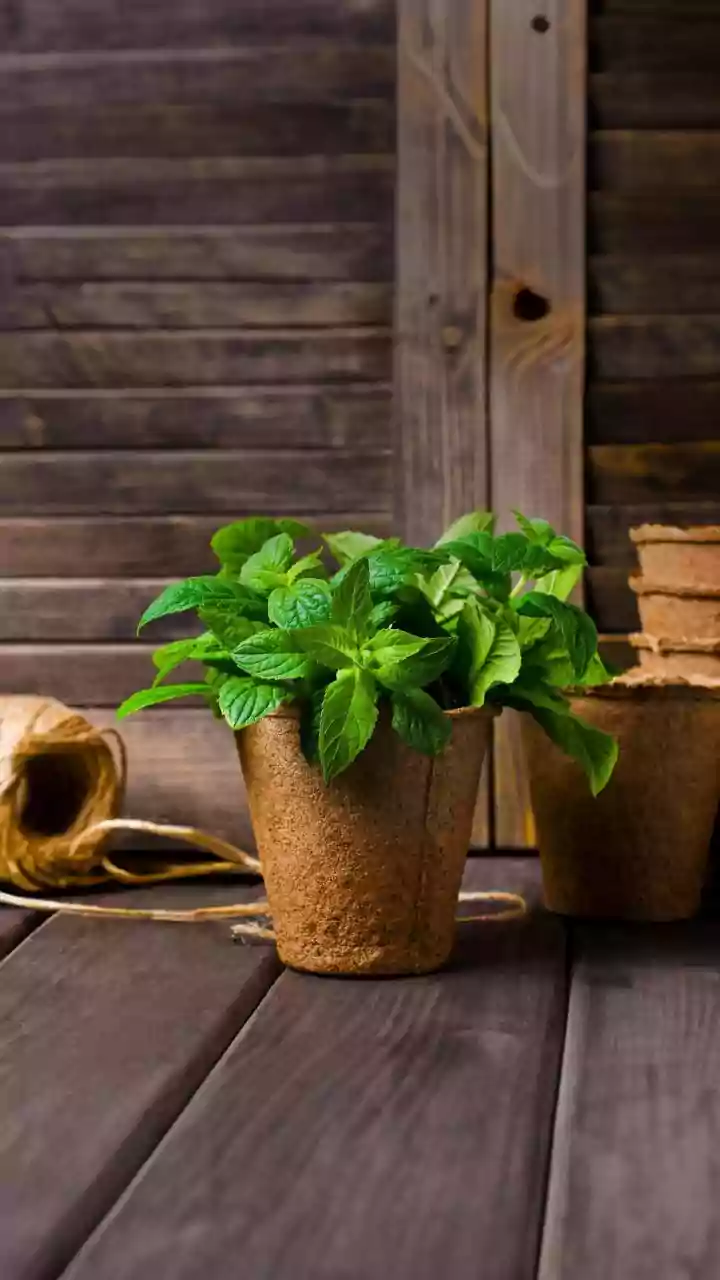
Spinach: The Edible Winter Green
Spinach, or 'Palak', is a fantastic and easy-to-grow winter vegetable. It flourishes in the cool temperatures of the Indian winter, typically between 10°C and 25°C. The best time to sow seeds in most parts of India is from October to February. Choose a pot that is at least 6-8 inches deep to give the roots enough space. Sow the seeds about half an inch deep directly into your prepared soil mix, spacing them a few inches apart. Keep the soil consistently moist but not soggy; watering every two to three days is usually sufficient in winter. Your spinach plants will need about 4-6 hours of sunlight daily. Within 7 to 14 days, you should see the first sprouts. One of the best parts of growing spinach is that you can harvest it multiple times. Once the leaves are a desirable size, simply snip the outer leaves, and the plant will continue to produce new ones from the centre.
Marigolds: Bursts of Festive Colour
Marigolds ('Genda') are synonymous with Indian festivals and their bright orange and yellow hues bring instant cheer to any space. Winter is the prime blooming season for marigolds in India, with cooler weather producing bigger and brighter flowers that last longer. For a winter harvest of flowers, plant seedlings between September and November. They are sun-loving plants and need at least six hours of direct sunlight to bloom profusely. Marigolds are not just beautiful; they are also functional. Their distinct scent naturally repels common garden pests, making them a great companion plant for your vegetables. They are relatively low-maintenance, but remember to 'deadhead' or pinch off spent flowers. This simple step encourages the plant to produce more blooms, extending the flowering season.
Chrysanthemums: The Queens of Winter
Chrysanthemums, known as 'Guldaudi' in Hindi, are stars of the autumn and winter garden, offering a stunning variety of colours and shapes. These plants are known as 'short-day' plants, meaning they require long, uninterrupted nights to set their flower buds, which is why they naturally bloom as winter approaches. To ensure a healthy bloom, provide them with 5-6 hours of daily sunlight, preferably morning sun. They prefer well-draining soil rich in organic matter. While you can grow them from seeds or cuttings, purchasing a budded plant from a nursery in October or November is an easy way to guarantee flowers. Water them at the base when the top inch of soil feels dry, avoiding getting the foliage wet to prevent fungal diseases. With proper care, these beautiful flowers will brighten your garden from October through the coldest months of winter.