

A Conscious Return to Tradition
For years, the convenience of plastic and styrofoam dominated social gatherings. But a shift is underway, driven by young hosts who see value beyond disposability. They are turning to an age-old Indian practice: serving food on banana leaves. This isn't
just a nostalgic throwback; it's a deliberate choice. With growing awareness about plastic pollution, the banana leaf presents itself as a perfect, eco-friendly alternative. It is fully biodegradable and, after a feast, can be composted or fed to cattle, leaving behind zero waste. This practice, deeply rooted in South Indian culture for everything from temple feasts to weddings, is finding a modern, pan-India revival. Young people are discovering that sustainability was an inherent part of Indian tradition long before it became a global buzzword.
The Allure of Local and Organic
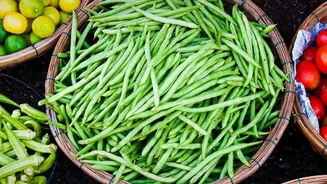
This sustainable mindset extends from the plate to the produce. The menu at these gatherings is increasingly focused on regional and organic ingredients. This farm-to-table approach is about more than just a trend; it's a holistic philosophy. Hosts are prioritising flavour, health, and community by sourcing seasonal vegetables and heritage grains from local farmers and organic suppliers. This movement supports small-scale agriculture and revives traditional crops that may have been overshadowed by mass-produced alternatives. When hot food is served on a banana leaf, it is believed that beneficial compounds called polyphenols, which are natural antioxidants, are absorbed from the leaf into the food. This adds a subtle flavour and a host of health benefits, making the meal not just delicious but also more nutritious. The emphasis on fresh, local food means better taste and a reduced carbon footprint, as it cuts down on long-distance transportation and cold storage.
An Experience, Not Just a Meal
For today’s young hosts, a dinner party is a form of self-expression. Choosing banana leaves and organic produce is a statement of their values: a commitment to health, sustainability, and cultural authenticity. The vibrant green of the leaf makes for a visually stunning, Instagram-worthy presentation of food, elevating the entire dining experience. Furthermore, the tradition encourages a more mindful and communal way of eating. Meals served this way often involve sitting together and eating with hands, which is believed to foster a deeper connection to the food and to each other. It eliminates the formality of cutlery and creates a relaxed, intimate atmosphere where conversation flows and social bonds are strengthened. This approach transforms a simple meal into a memorable, multi-sensory event that engages guests on a deeper level.
The Practical Path to a Greener Feast
Adopting this sustainable model is more accessible than one might think. In many parts of India, particularly the south, banana leaves are abundant and inexpensive, making them a cost-effective solution for large gatherings. The growing network of organic farms and suppliers across the country is also making it easier for urban consumers to access high-quality, chemical-free produce. While sourcing purely organic can sometimes be a challenge, many young hosts are finding a balance that works for them, focusing on seasonality and supporting local vendors. The movement is part of a broader shift among young Indians towards mindful consumption, seen in everything from fashion to travel. By making conscious choices, they are proving that a return to roots can be a progressive step forward, creating celebrations that are both beautiful and responsible.