
The Invisible Issue in Our Kitchens
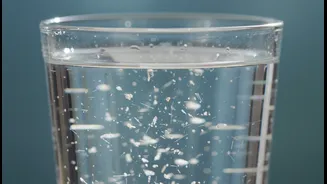
Microplastics are tiny plastic particles, less than five millimeters long, that have become pervasive in our environment. While we often associate them with polluted oceans and single-use bags, emerging science shows they are much closer to home: in our kitchens.
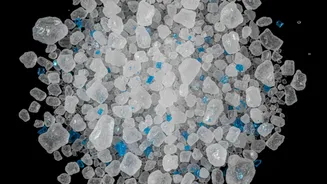
These particles can come from larger plastic items as they break down, including the containers and tools we use to prepare and store food every day. They have been found in everything from bottled water to salt, and increasingly, researchers are finding them in human tissue, including blood, lungs, and even the brain. While the full, long-term impact on human health is still under investigation, early studies in animals and human cells have linked exposure to inflammation, cellular damage, and hormonal disruption.
Heat and Pressure: When Plastics Shed
Recent studies are highlighting two major culprits for releasing microplastics in the kitchen: heat and physical stress. Microwaving food in plastic containers, even those labelled "microwave-safe," can be a significant source of exposure. Research from the University of Nebraska found that heating baby food containers in the microwave could release millions of microplastics and billions of even smaller nanoplastics per square centimetre. The "microwave-safe" label only guarantees the container won't warp or melt; it doesn't mean particles won't leach into your meal. Another often-overlooked source is your cutting board. Studies show that chopping vegetables on a plastic board can shave off thousands of tiny particles directly into your food, potentially adding up to millions of particles per person annually.
A Simple Guide to Safer Storage
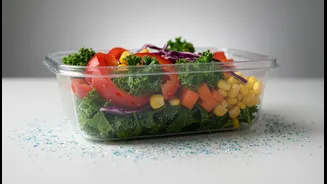
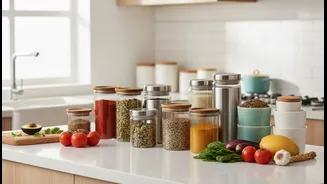
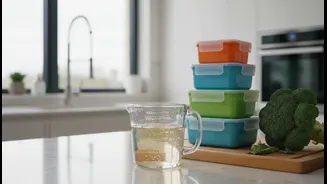
The good news is that you don't need to overhaul your kitchen overnight. Making a few conscious swaps can significantly reduce your family's exposure. The primary goal is to minimise contact between your food and plastic, especially when heat is involved. Start by phasing out plastic for storing leftovers, particularly hot food. Glass, stainless steel, and ceramic containers are excellent, stable alternatives that don't release particles when heated or stored long-term. When you get takeout, transfer the food from the plastic container to a ceramic or glass plate before reheating it in the microwave. Even room temperature or cold storage in plastic can cause shedding over time, so migrating to non-plastic options for all food storage is a powerful step.
Beyond the 'Dabba': Other Kitchen Swaps
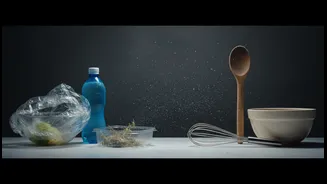
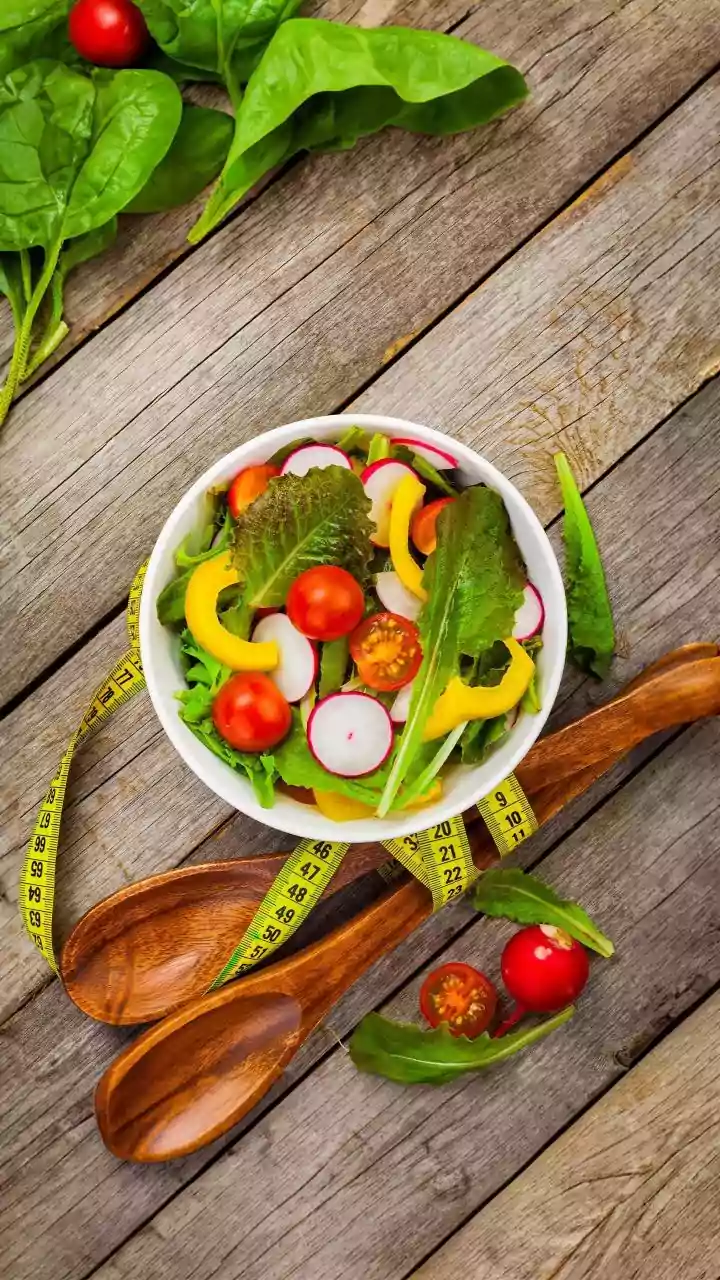
Reducing microplastic exposure goes beyond just your storage containers. Consider these other simple adjustments: Replace your plastic cutting board with one made of wood or bamboo. Ditch plastic cooking utensils like spatulas and spoons for versions made of stainless steel or wood, as these can also degrade with heat and use. Be mindful of non-stick cookware; if the coating is scratched or damaged, it can release particles. Cast iron and stainless steel are durable alternatives. Lastly, instead of using plastic wrap to cover food in the microwave, opt for a paper towel, wax paper, or simply another plate on top.