

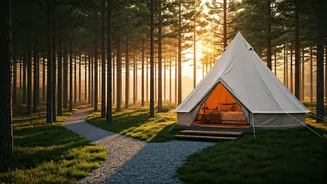


Embrace the 'Shoulder Season'
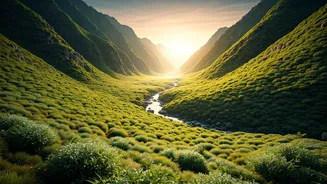
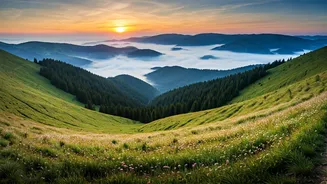
The single best way to beat the crowds is to travel when others aren't. The 'shoulder season' — the period just before or after the peak tourist rush — is your golden ticket. Think of Manali or Shimla not in May, but in late March or September. The weather
is often just as pleasant, if not more so, with crisp air and clear skies following the monsoon. You’ll find hotels offering lower rates, cafes with empty tables, and mountain trails that are blissfully quiet. For instance, visiting the hills of Himachal Pradesh or Uttarakhand in September means you get lush, green landscapes post-monsoon, minus the summer holiday rush. You get all the beauty with none of the baggage.
Explore Kumaon's Quiet Corners
While Garhwal has Mussoorie and Dhanaulti, the neighbouring Kumaon region of Uttarakhand offers a more tranquil experience. Instead of the packed streets of Nainital, consider its quieter cousins: Mukteshwar, Binsar, or Kausani. Mukteshwar provides stunning 180-degree views of the Himalayan range, including Nanda Devi, and is dotted with charming guesthouses and orchards. Binsar, a designated wildlife sanctuary, is perfect for those who want to immerse themselves in nature. You can only access the core area by foot or with a special permit, which naturally limits the crowds. Kausani, famously admired by Mahatma Gandhi for its panoramic vistas, retains a sleepy, old-world charm that is hard to find in more commercialised hill stations.
Look Beyond Himachal’s Main Circuit
Himachal Pradesh is more than just Shimla, Manali, and Dharamshala. Veer off the beaten path to find gems that most tourists overlook. Tirthan Valley, a part of the Great Himalayan National Park Conservation Area, is an eco-tourism hub with pristine river views and excellent trout fishing. Instead of staying in crowded Old Manali, consider heading a little further to places like Sethan, a Buddhist village with stark, beautiful landscapes perfect for trekking and bouldering. Another excellent choice is the Barot Valley, a hidden treasure with terraced fields, dense cedar forests, and the Uhl River flowing through it. These destinations require a bit more effort to reach, which is precisely why they remain unspoiled.
Answer the Call of the North-East
For a truly unique escape, the hills of North-East India are unparalleled. While Darjeeling and Gangtok are popular, consider pushing further. Pelling in West Sikkim offers arguably the best views of the Kanchenjunga peak, especially from the iconic Pemayangtse Monastery. In Arunachal Pradesh, the journey to Tawang is an adventure in itself, but the reward is breathtaking scenery and the magnificent Tawang Monastery. For music lovers and culture enthusiasts, Ziro Valley in Arunachal is a must-visit, especially during its famous music festival, but it is a place of serene beauty all year round. The relative remoteness of these locations means you'll be sharing the views with fellow dedicated travellers, not tour buses.
Find South India's Serene Alternatives
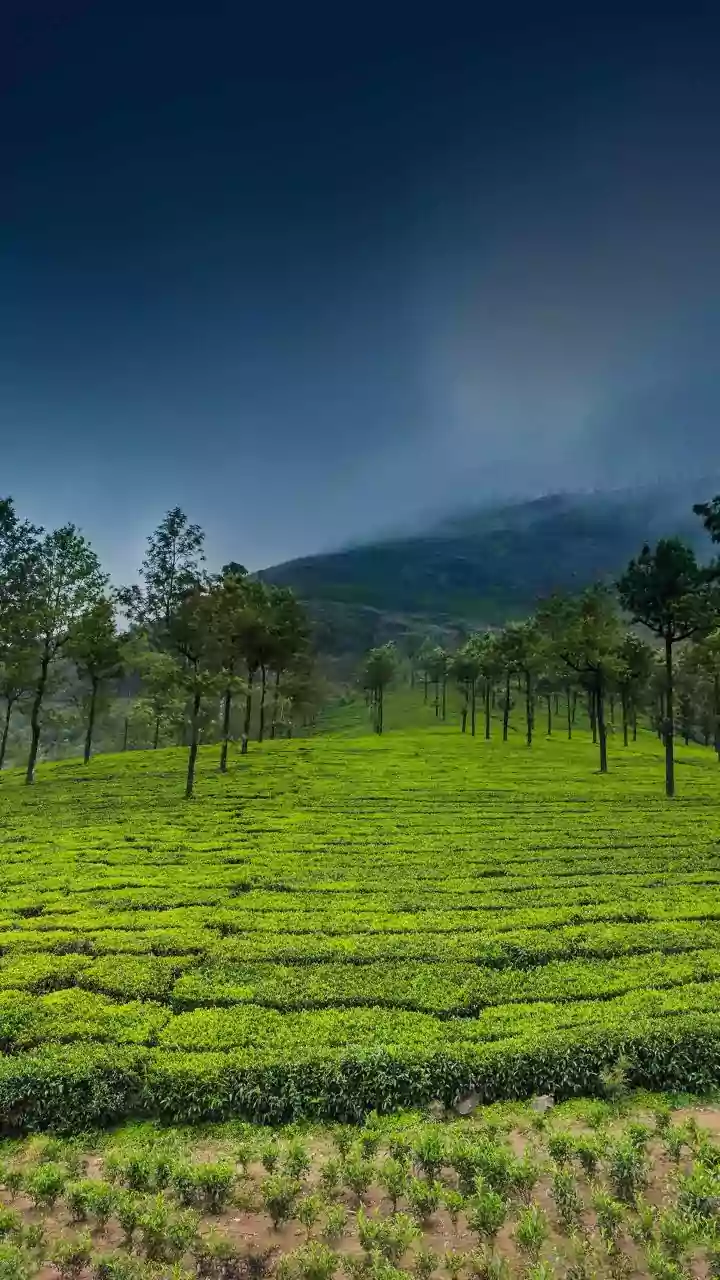
The Western Ghats are full of beautiful hill stations, but peak season in Ooty or Kodaikanal can feel like a city. For a quieter coffee-scented holiday, Coorg (Kodagu) is a classic, but try visiting on a weekday to truly enjoy its misty plantations. For an even more offbeat experience, head to Valparai in Tamil Nadu. Nestled in the Anamalai Hills, it is surrounded by tea estates and dense forests, and is a fantastic spot for wildlife sightings, including the endangered lion-tailed macaque. Similarly, the hill station of Yelagiri is a less-commercialised option close to Chennai and Bengaluru, offering a simple, peaceful retreat with trekking trails and placid lakes without the fanfare of its more famous counterparts.