


Kambu Koozh: The Millet Porridge
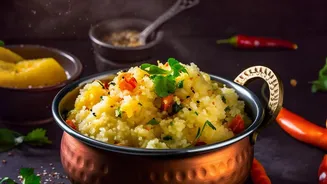
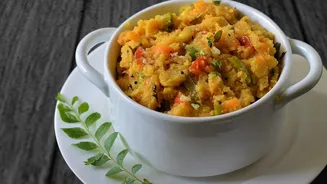
One of the most ancient and humble breakfast foods is Koozh, a porridge traditionally made from finger millet (ragi) or pearl millet (kambu). This dish is a staple in rural Tamil Nadu, revered for its cooling properties, especially during the sweltering
summer months. The process involves cooking millet flour with broken rice into a thick porridge. While it can be eaten fresh and hot, the magic happens when it's left to ferment overnight. This fermentation process develops a distinct sour and tangy flavour, transforming the simple porridge into a probiotic-rich meal. The next morning, this semi-solid koozh is thinned with water, salt, and sometimes buttermilk, then served with fiery green chillies, raw pearl onions, or pickles, providing a rustic and incredibly nourishing start to the day.
Pazhaya Sadam: The Fermented Rice Gruel
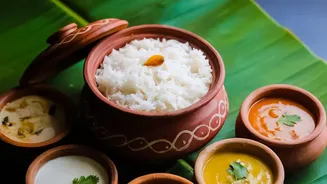
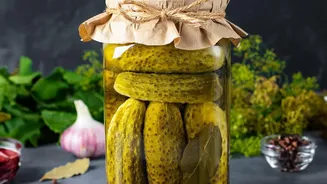
Pazhaya Sadam, which literally translates to 'old rice', is the epitome of a zero-waste, gut-friendly breakfast born from necessity. This dish is made by simply soaking leftover cooked rice in water and leaving it to ferment overnight at room temperature. This simple act of fermentation not only preserves the rice but also enriches it with beneficial microbes and B-complex vitamins, including B6 and B12. In the morning, the slightly sour, fermented rice is mashed lightly and typically consumed with its soaking water (neeragaram), along with shallots, green chillies, pickles, or a splash of buttermilk. It’s a tradition that has been passed down through generations, offering a powerful energy boost and a natural way to cool the body. While it may seem modest, Pazhaya Sadam is a testament to the profound wisdom embedded in traditional Indian food practices.
Kandarappam: The Sweet Chettinad Fritter
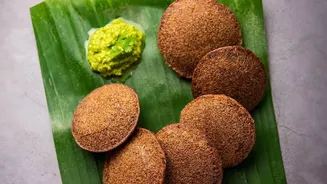
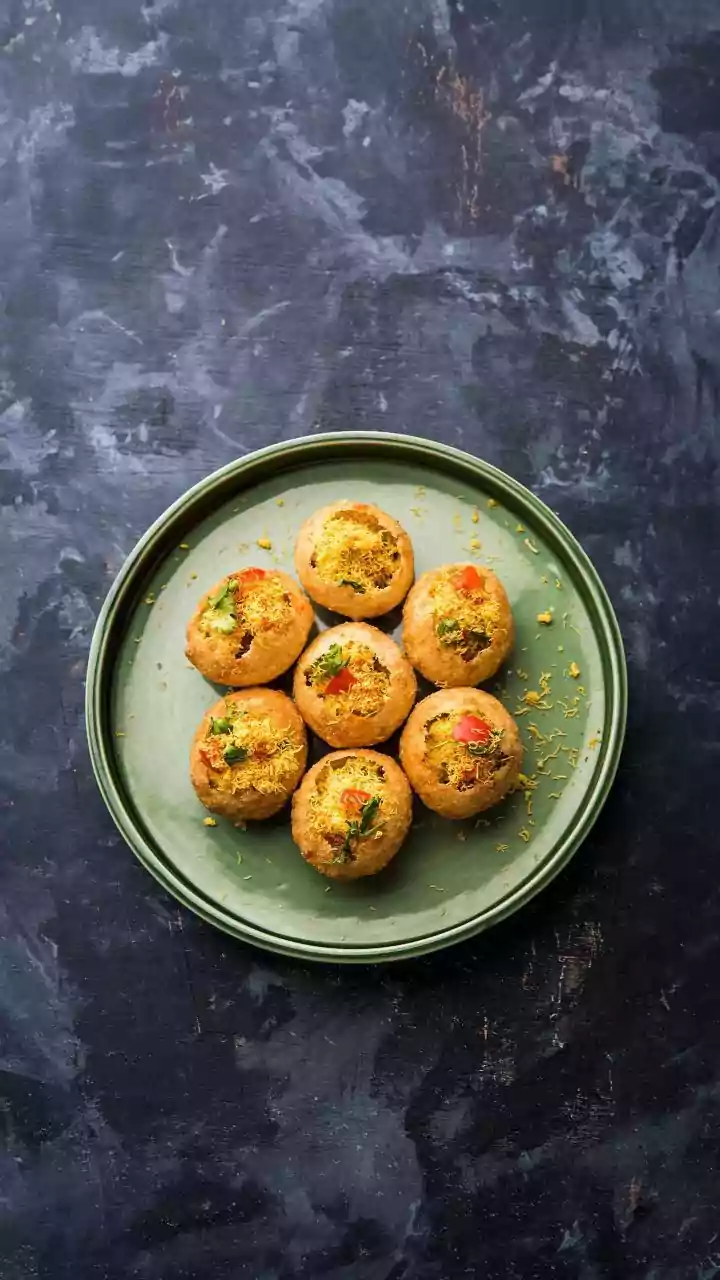
Venturing into the Chettinad region brings us to Kandarappam, a sweet dish that often graces festive occasions and is offered in temples, particularly to Lord Murugan (Kandhan), from whom it gets its name. Though a sweet treat, its batter, made from raw rice and a mix of lentils like urad dal and chana dal, undergoes a soaking and grinding process similar to its savoury counterparts. The batter is sweetened with jaggery or the more traditional karupatti (palm jaggery), giving it a deep, caramel-like flavour, and infused with cardamom and grated coconut for aroma and texture. This thick batter is then poured into hot oil and deep-fried into small, puffy fritters that are crisp on the outside and wonderfully soft and spongy within. While some recipes call for immediate use, others allow the batter to sit for a few hours, adding a very subtle fermented note to the sweetness.
Kavanarisi: The Chettinad Black Rice Pudding
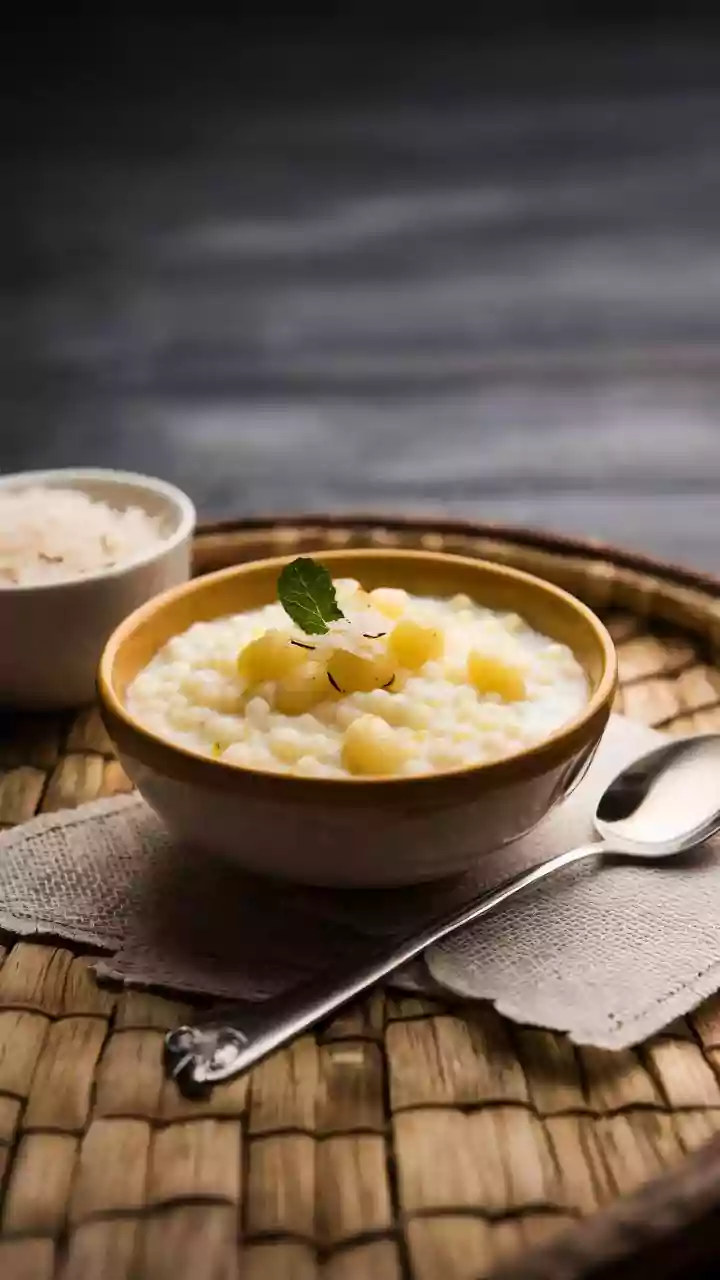
Another gem from the Chettinad region is Kavanarisi, a sweet breakfast pudding made from a special type of black rice. This glutinous rice, believed to have been brought to Tamil Nadu by the Chettiar community from their travels in Southeast Asia, has a distinctive nutty flavour and chewy texture. To prepare Kavanarisi, the black rice is soaked overnight, which is a crucial step to soften its hard outer layer. It is then cooked until tender and sticky. Sugar, grated coconut, and a touch of ghee are stirred in to create a rich, aromatic, and pudding-like consistency. Though not fermented in the same way as a dosa batter, the essential overnight soaking process initiates enzymatic activity that begins to break down the starches, making the grain more digestible and releasing its unique flavours. It's a breakfast that feels both indulgent and wholesome.
Vendhaya Dosai: The Fenugreek Crepe
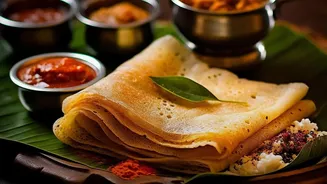
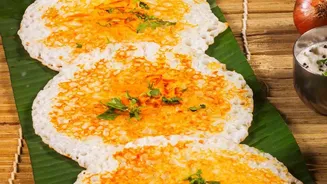
While dosai is common, Vendhaya Dosai is a special variation that highlights the use of fenugreek seeds (vendhayam). The batter is made from rice and an ample amount of fenugreek, which not only imparts a unique, mildly bitter flavour but also makes the dosa incredibly soft and spongy. The fenugreek seeds aid the fermentation process, working with the urad dal to create a light, airy batter. Known for its cooling effect on the body, Vendhaya Dosai is another summer favourite in Tamil households. It is typically made slightly thicker than a regular dosa and is often served with a fiery garlic and chilli powder mix (poondu milagai podi) or a tangy chutney, balancing its distinct flavour perfectly. This dosa is a prime example of how a single ingredient can completely redefine a classic dish, turning it into a unique culinary experience.