






More Than Just a Smell
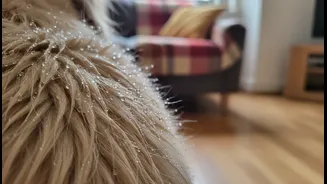
That distinctive “wet dog” aroma is more than just an inconvenience; it’s a sign of burgeoning microscopic life. When fur remains damp, it creates the perfect warm, humid environment for bacteria and yeast to multiply. These microorganisms are the primary
culprits behind the smell. But the issue goes deeper than odour. Allowing your dog to air dry, especially if they have a thick or double coat, traps moisture against their skin. This can lead to a host of uncomfortable and sometimes painful health problems, turning a simple post-bath routine into a potential veterinary concern.
The Hidden Health Risks of Damp Fur
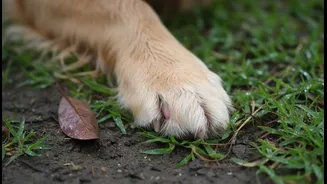
Persistent moisture is a major trigger for several skin conditions in dogs. One of the most common is acute moist dermatitis, better known as “hot spots.” These are painful, red, inflamed, and oozing sores that can appear suddenly and spread rapidly as the dog licks and chews the irritated area. Furthermore, the dampness creates an ideal breeding ground for fungal and yeast infections, such as those caused by Malassezia yeast. These can lead to intense itching, hair loss, a foul odour, and changes in skin texture. Areas with less air circulation, like between paw pads, in armpits, and within skin folds, are particularly vulnerable. In some cases, a constantly damp coat can even affect a dog's ability to regulate body temperature, making them uncomfortable and more susceptible to illness.
Your Sofa Is in Danger, Too
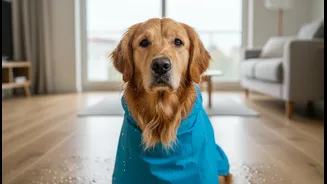
The threat isn't just to your canine companion. When a wet dog settles onto a sofa, the moisture seeps deep into the upholstery. This can cause a number of problems for your furniture. Fabric can become stained and discoloured, while the padding underneath absorbs the water, creating a prime environment for mold and mildew growth. This not only produces unpleasant, musty odours that are difficult to remove but can also compromise indoor air quality. For furniture with wooden frames, the absorbed moisture can cause the wood to swell, warp, or crack, weakening its structural integrity over time. Metal components like springs and fasteners can begin to rust and corrode when exposed to dampness.
The Right Way to Towel Dry
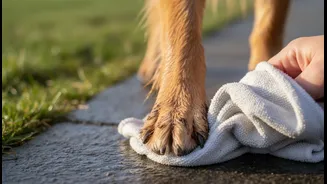
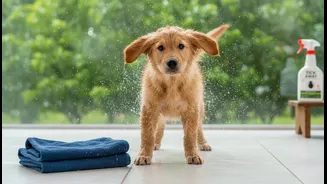
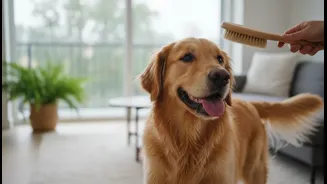
The first line of defence is a thorough towel-drying session. It’s best to use highly absorbent microfiber towels designed specifically for dogs. The biggest mistake owners make is rubbing the fur vigorously. This can create painful tangles and mats, especially in long-haired breeds. Instead, use a gentle pressing or blotting motion, squeezing the water out of the coat. Start with the head and work your way down the body to the tail, paying special attention to the belly, legs, and paws where water accumulates. You may need several towels for a larger or thicker-coated dog to get them as dry as possible.
Using a Dryer Safely
For dogs with dense or long coats, a towel-dry alone might not be enough. A blow dryer can finish the job, but safety is paramount. Human hair dryers can get too hot for a dog’s sensitive skin, so it's crucial to use the lowest heat and airflow setting—or even the cool shot button. A better option is a velocity dryer made for dogs, which uses high-speed air rather than heat to blast water from the coat. When using any dryer, keep the nozzle moving constantly and hold it at least a few inches away from your dog’s skin to prevent burns. Never point the airflow directly into your dog’s face, ears, or genitals. Make the experience positive with treats and praise to help your dog get used to the noise and sensation.