





Why That Little Booklet Is So Important
It can be tempting to toss the manual aside, especially if you’ve used a pressure cooker before. However, models vary significantly. An older, stovetop model operates differently from a modern electric one with multiple functions. The manual is your specific
guide to your appliance's features, safety mechanisms, and quirks. It contains critical information on minimum and maximum fill lines, how to lock the lid correctly, and what the different pressure release options mean. Ignoring it is like driving a new car without knowing where the brakes are. That booklet is the first and most important line of defence against accidents that can range from a messy kitchen to severe burns from escaping steam or hot food.
Get to Know Your Cooker’s Anatomy
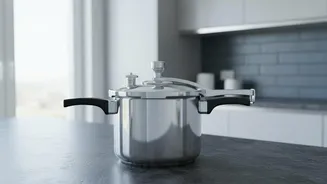
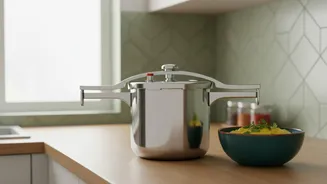
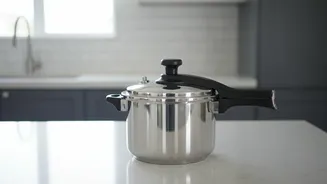
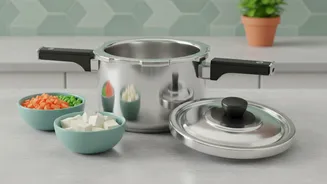
Before your first use, take a moment to identify the key parts. The main components are generally the pot, the lid, a rubber or silicone gasket, a pressure regulator (the 'whistle' on stovetop models or a valve on electric ones), and one or more safety valves. The gasket is a crucial piece; it creates the airtight seal necessary to build pressure. Always check that it is clean, not cracked or dried out, and seated properly in the lid. The pressure regulator controls the release of steam during cooking, while the safety valve is a backup designed to vent steam if the primary valve gets blocked. Clogged valves are a common cause of accidents, so knowing where they are and how to clean them is essential.
Common Mistakes and How to Avoid Them
Most pressure cooker incidents are caused by user error, not just a faulty appliance. One of the biggest mistakes is overfilling. A pressure cooker should never be more than two-thirds full for most foods, and only half-full for foods that expand or froth, like rice, dal, or soups. Overfilling can block the steam vents, leading to a dangerous buildup of pressure. Another common error is not adding enough liquid. The cooker needs liquid (at least half a cup to a cup) to generate the steam that cooks the food. Without it, food can burn and the cooker may not reach pressure. Finally, never try to force the lid open. If it doesn’t open easily, it means there is still pressure inside.
Safe Operating Procedures
Develop a safe routine for every use. First, inspect the gasket and valves for any damage or blockages. When you close the lid, make sure it is locked securely as per the manual's instructions. For electric models, ensure the pressure release valve is in the 'Sealing' position. When the cooking time is up, use the correct pressure release method. A 'Natural Release' lets the pressure drop on its own, which is good for meats. A 'Quick Release' involves manually turning the valve to vent steam, which is better for vegetables to prevent overcooking. Always keep your hands and face away from the steam vent when doing a quick release; the steam is extremely hot.
Essential Care and Maintenance
Proper maintenance extends the life of your cooker and keeps it safe. After each use, once it has cooled, wash the pot, lid, and gasket separately with warm, soapy water. Pay special attention to the pressure valves, using a small brush or pin to clear any food debris. Let all parts dry completely before storing. It's best to store the lid upside down on top of the pot rather than locked, as this allows air to circulate and prevents the gasket from getting compressed. Gaskets are not meant to last forever. They typically need to be replaced every year or two, or as soon as they show signs of wear like cracks or stretching.