

Beyond the Box: The Benefits of Fresh Cooking
The reliance on pre-packaged and processed foods is understandable in a busy world, but it comes at a cost. These options are often high in sodium, preservatives, and unhealthy fats, while lacking the vibrant flavour of fresh food. Cooking from scratch
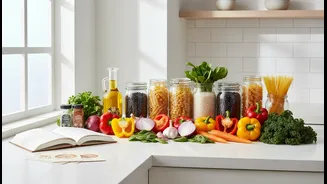
puts you in complete control of your nutrition, allowing you to use whole ingredients and tailor meals to your health needs. Beyond health, preparing your own meals is almost always more cost-effective per serving and significantly reduces packaging waste. Embracing the art of cooking is about more than just taste; it's a rewarding journey that enhances your well-being and culinary skills.
The Core Concept: Ingredient Rotation
Ingredient rotation is a simple but powerful idea: instead of buying specific ingredients for single recipes, you build meals around a versatile set of core components that can be used in multiple ways. This is the secret to how chefs and resourceful home cooks create varied menus without a pantry overflowing with single-use items. The goal isn't to follow a rigid plan, but to cultivate a flexible mindset that sees a single ingredient, like a whole chicken or a bunch of spinach, as the starting point for several distinct dishes throughout the week. This approach turns cooking from a chore into a creative puzzle.
Building Your Versatile Pantry
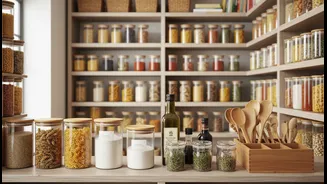
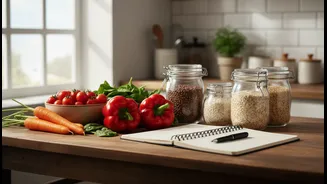
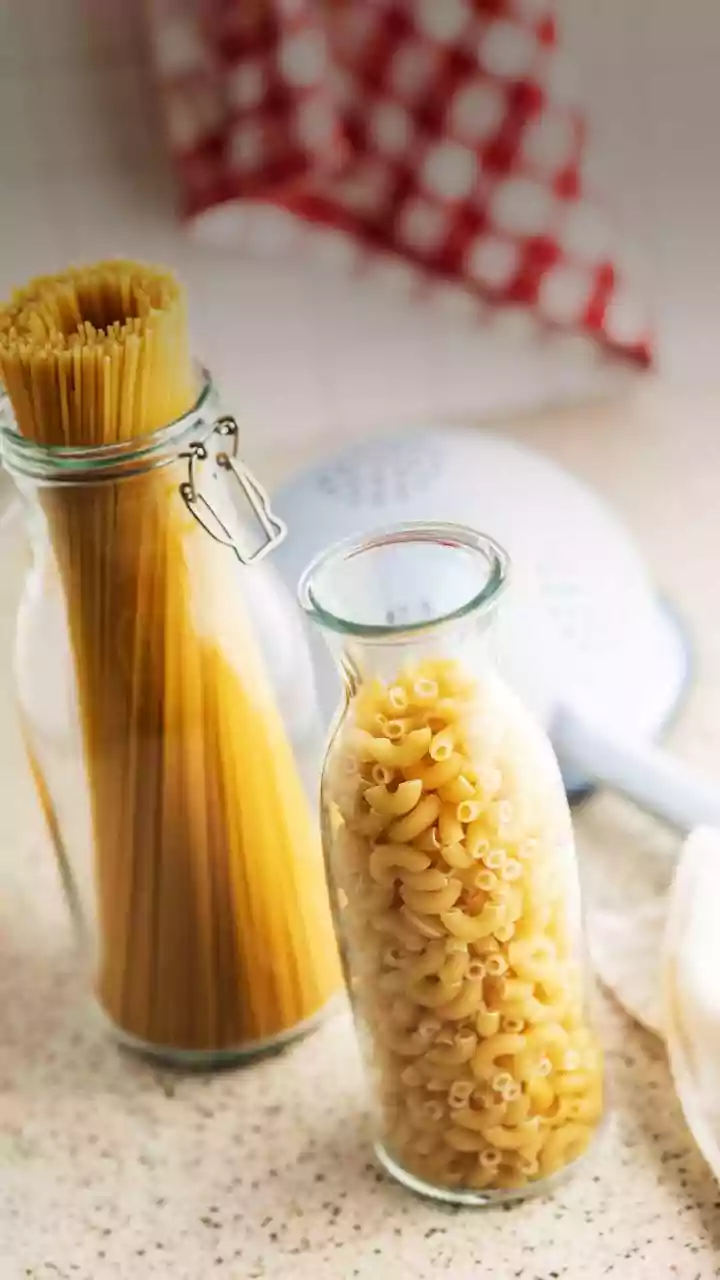
A successful rotation system starts with a well-stocked but curated pantry. Think of it as a 'capsule wardrobe' for your kitchen. Stock up on foundational items that have a long shelf life and can adapt to many cuisines. For an Indian kitchen, this might include various dals, rice, atta, onions, garlic, ginger, tomatoes, and a core set of spices. From there, you add your weekly fresh ingredients. A simple framework to use is: Protein + Vegetable + Grain/Fibre + Flavourful Sauce/Spice. By rotating items within each category, you can endlessly create new combinations without meal fatigue.
The 'One Ingredient, Three Ways' Strategy
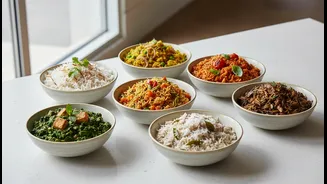
The best way to practice ingredient rotation is to challenge yourself. Take one primary ingredient and plan three different meals around it. For instance, if you buy a whole chicken on Sunday, you could have roast chicken for dinner that night. On Monday, the leftover meat can be shredded for chicken sandwiches or a quick fried rice. The carcass can then be simmered to create a flavourful stock, which becomes the base for a hearty soup on Wednesday. Similarly, a large batch of paneer can be used for a dry sabzi, a rich gravy dish, and as a filling for parathas, spreading its utility across several days and preventing boredom.
Flexible Planning and Smart Shopping
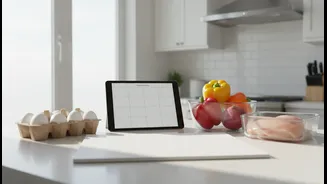
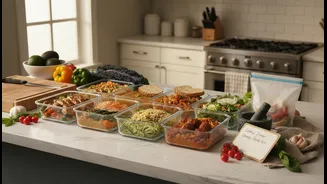
This method works best with a flexible approach to meal planning. Instead of a strict day-by-day menu, think in terms of available ingredients. Before you go shopping, take a quick inventory of your fridge and pantry. Plan a few core meals around ingredients you need to use up first. This practice not only sharpens your cooking intuition but also drastically cuts down on food waste, as you're constantly cycling through your supplies. Shopping for fresh, seasonal produce weekly also naturally encourages rotation and ensures your ingredients are at their peak flavour.