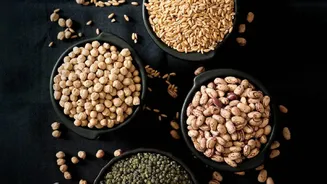



Ancient grains have earned their spot in modern kitchens, but their texture can be tricky. A simple prep step—rinsing or soaking—is the secret to unlocking their full potential, ensuring a fluffy, flavourful, and perfectly cooked result every time.
The 'Why' Behind the Wash
Taking
the time to rinse or soak your grains before cooking might seem like an unnecessary chore, but there's solid science behind this age-old practice. Firstly, it removes unwanted coatings. Quinoa, for example, is naturally covered in a compound called saponin, which can taste bitter or soapy. While most commercially available quinoa is pre-rinsed, an extra wash at home ensures any lingering residue is gone, leading to a cleaner, nuttier flavour. Secondly, this process kick-starts hydration. Grains are seeds, and water awakens them. Soaking softens the tough outer bran layer, allowing water to penetrate more evenly during cooking. This results in a much more pleasant, fluffy texture and prevents the dreaded mushy-on-the-outside, crunchy-on-the-inside outcome.
Boosting Digestion and Nutrition
Beyond texture, preparing grains with water can also improve their nutritional profile. Grains contain phytic acid, an 'anti-nutrient' that can bind to minerals like iron, zinc, and magnesium, making them less available for your body to absorb. Soaking grains in water, sometimes with an acidic medium like a splash of lemon juice or vinegar, helps to activate an enzyme called phytase. This enzyme works to break down phytic acid, effectively unlocking those valuable minerals. For many people, this also makes the grains easier to digest, reducing the chances of bloating or discomfort that some experience.
The Rinsing Rundown: For a Quick Clean
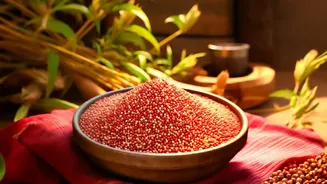
Rinsing is a quick process best suited for smaller grains or those that don't require extensive softening. It's essential for removing surface dust, debris, or saponins. Quinoa is the prime candidate for rinsing. Even if the package says it's pre-washed, a final rinse is a good habit. Amaranth and millet also benefit from a quick wash to remove any potential bitterness. To do it right, place your grains in a fine-mesh sieve. Run them under cold water, using your hands to gently toss the grains to ensure they are all cleaned. Continue for about a minute, or until the water running through the sieve looks clear. This simple step takes very little time but has a noticeable impact on the final taste.
The Soaking Strategy: For Heartier Grains
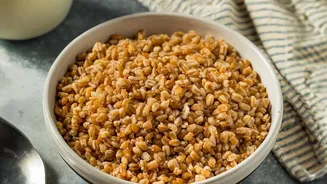
Soaking is ideal for larger, tougher ancient grains with a dense structure. Grains like farro, spelt, Kamut, and whole wheat berries have a substantial bran layer that benefits greatly from an extended soak. This pre-hydration not only softens the grain for a more tender chew but can also significantly reduce the cooking time. There are two main approaches. For a long soak, simply cover the grains in a bowl with a few inches of water and let them sit at room temperature for several hours or overnight. For a quicker method, you can bring the grains and water to a boil, let them cook for about five minutes, then turn off the heat and let them sit, covered, for an hour. Always remember to discard the soaking water and cook the grains in fresh water.
A Quick Guide: To Soak or to Rinse?
Not all grains are created equal. Here’s a quick reference for some of the most popular ancient grains: - Quinoa: Always rinse to remove saponins. - Amaranth: Rinse to remove potential bitterness. - Millet: Rinsing is recommended. - Farro (Emmer): Soaking is highly beneficial for texture and reduced cooking time. - Spelt & Kamut: Soaking is recommended to soften these large, firm grains. - Sorghum: A hearty grain that benefits from an overnight soak. - Teff: Due to its tiny size, rinsing can be difficult, but some cooks give it a try. - Buckwheat: Rinsing can sometimes lead to a mushy texture; many prefer to toast it dry for better flavour.