



The Unsung Hero of the Tiffin Box
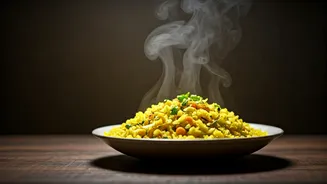
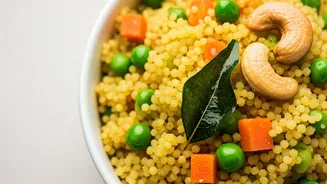
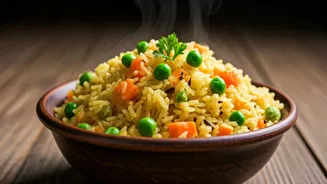
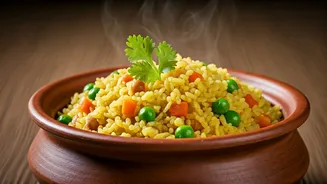
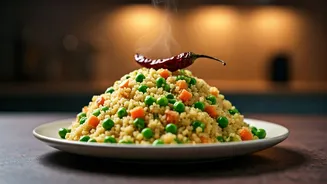
Mention upma, and you’ll likely get one of two reactions: a nostalgic smile or a weary sigh. For decades, this simple dish of roasted semolina (rava) cooked with onions, spices, and sometimes vegetables has been a cornerstone of Indian breakfast. It’s
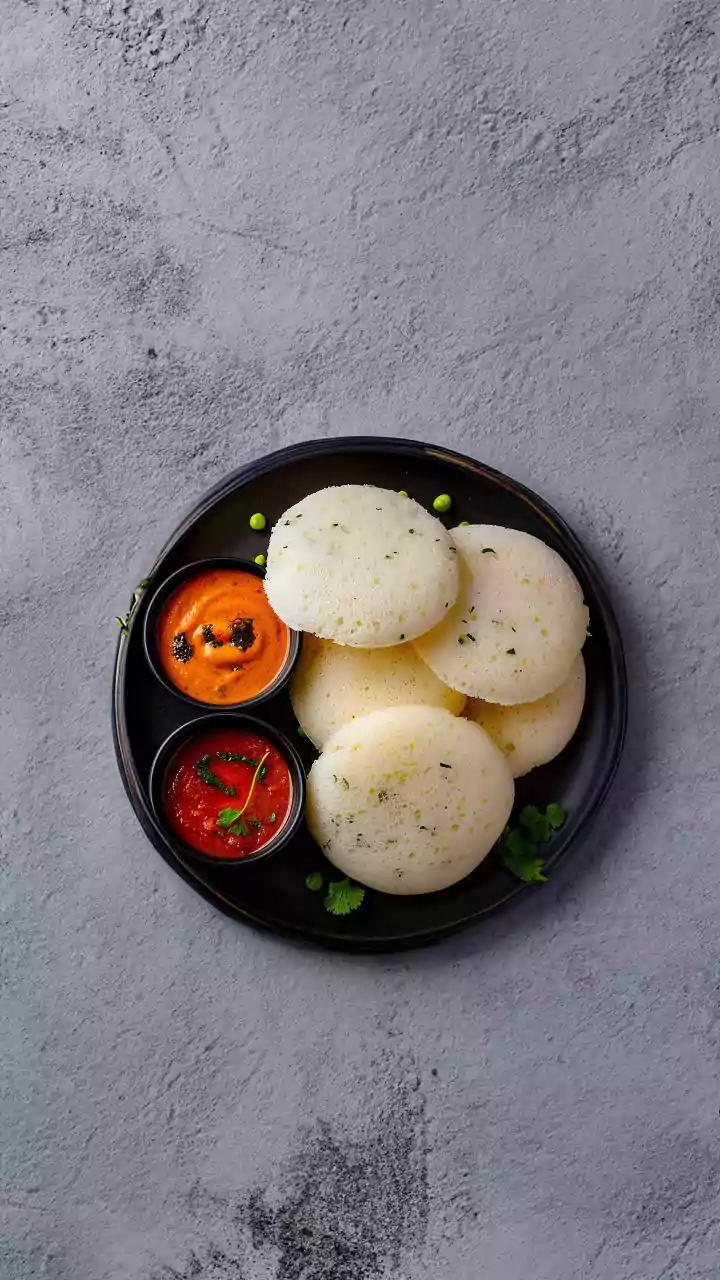
the quick fix on a busy morning, the comforting meal when you’re feeling unwell, and the reliable staple of canteens and train journeys. Its beauty lies in its simplicity: a handful of ingredients, 15 minutes on the stove, and a warm, savoury bowl is ready. Yet, for all its dependability, upma has often lived in the shadow of its more glamorous breakfast cousins, from fluffy idlis to crispy dosas. It was always there, but rarely celebrated—a dependable workhorse rather than a show pony.
Why Did We Take It for Granted?
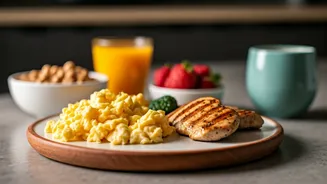
The past couple of decades saw a significant shift in our urban foodscape. As global food trends arrived, our breakfast tables changed. Bowls of cornflakes, slices of toast slathered with imported spreads, and smoothies became the aspirational morning meal, especially for a younger generation. Upma, with its straightforward, no-frills personality, was often dismissed as 'old-fashioned' or 'boring'. It became the default option, the meal you eat when there’s nothing else, rather than a dish you actively crave. This perception wasn't helped by poorly made versions—lumpy, bland, or dry—that cemented its reputation in some circles as a culinary punishment rather than a pleasure.
The Comeback: Health is the New Wealth
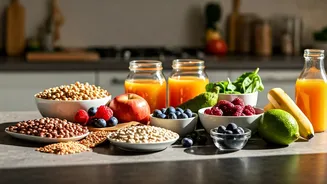
So, what changed? A major driver of upma’s return to the spotlight is the growing conversation around wellness and nutrition. As people become more conscious of what they eat, they are looking past marketing fads and rediscovering the wisdom of traditional diets. Upma, made from durum wheat semolina, is a fantastic source of protein, iron, and fibre. Crucially, it has a low glycemic index, which means it releases energy slowly, keeping you full for longer and preventing blood sugar spikes. This makes it an excellent choice for diabetics and anyone looking for a sustained energy boost to start their day. Unlike many processed breakfast cereals loaded with sugar, a bowl of well-made vegetable upma is a balanced, wholesome meal in itself.
A Canvas for Culinary Creativity
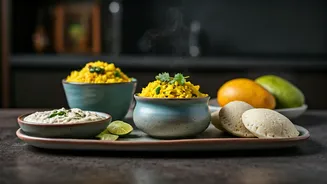
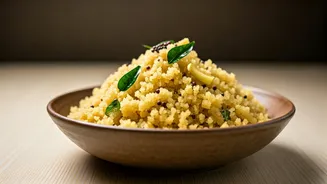
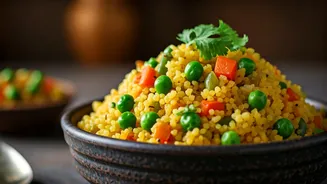
The other half of upma’s revival story is its incredible versatility. Chefs and adventurous home cooks are reimagining the dish, proving it can be much more than just rava and onions. The classic semolina is being swapped for healthier alternatives like millets (bajra or foxtail millet upma), quinoa, broken wheat (dalia), or even oats. These variations not only offer different nutritional profiles but also bring new textures and flavours to the table. Furthermore, modern renditions are seeing gourmet additions. Think of upma topped with toasted nuts and seeds for crunch, drizzled with flavourful oils, or loaded with exotic vegetables like broccoli and bell peppers. It’s no longer just a breakfast item; it's a canvas for creativity, appearing on trendy cafe menus as a savoury porridge or a light lunch.
The Irresistible Pull of Nostalgia
Ultimately, the renewed love for upma is also tied to a powerful emotion: nostalgia. In our increasingly complex and fast-paced world, there is a collective yearning for simplicity, comfort, and authenticity. Food is one of the strongest carriers of memory. For millions, the smell of roasting rava and sputtering mustard seeds is the smell of home. It’s the taste of a mother’s care, of shared family meals, of a simpler time. This turn towards 'comfort food' isn't just about eating; it's about reconnecting with our roots and finding reassurance in the familiar. Upma, in all its humble glory, provides that connection in a warm, delicious bowl.