

The End of the Three-Meal Day
For a growing segment of the urban Indian population, the structured three-meals-a-day routine is becoming a relic of the past. Long work hours, demanding commutes, and the rise of flexible or gig-based work schedules are blurring the lines between breakfast,
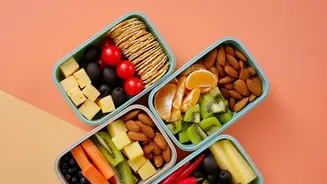
lunch, and dinner. This has given rise to the phenomenon of 'snackification,' where consumers opt for several smaller eating occasions throughout the day instead of traditional large meals. As a result, snacks are no longer just light bites. They are increasingly expected to provide substantial energy and satiety, functioning as mini-meals that can be consumed on the go, at a desk, or in between appointments.
The Push for Protein and Fibre
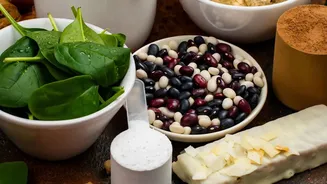
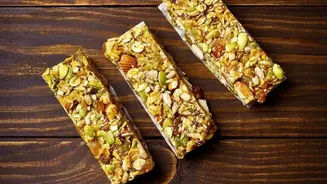
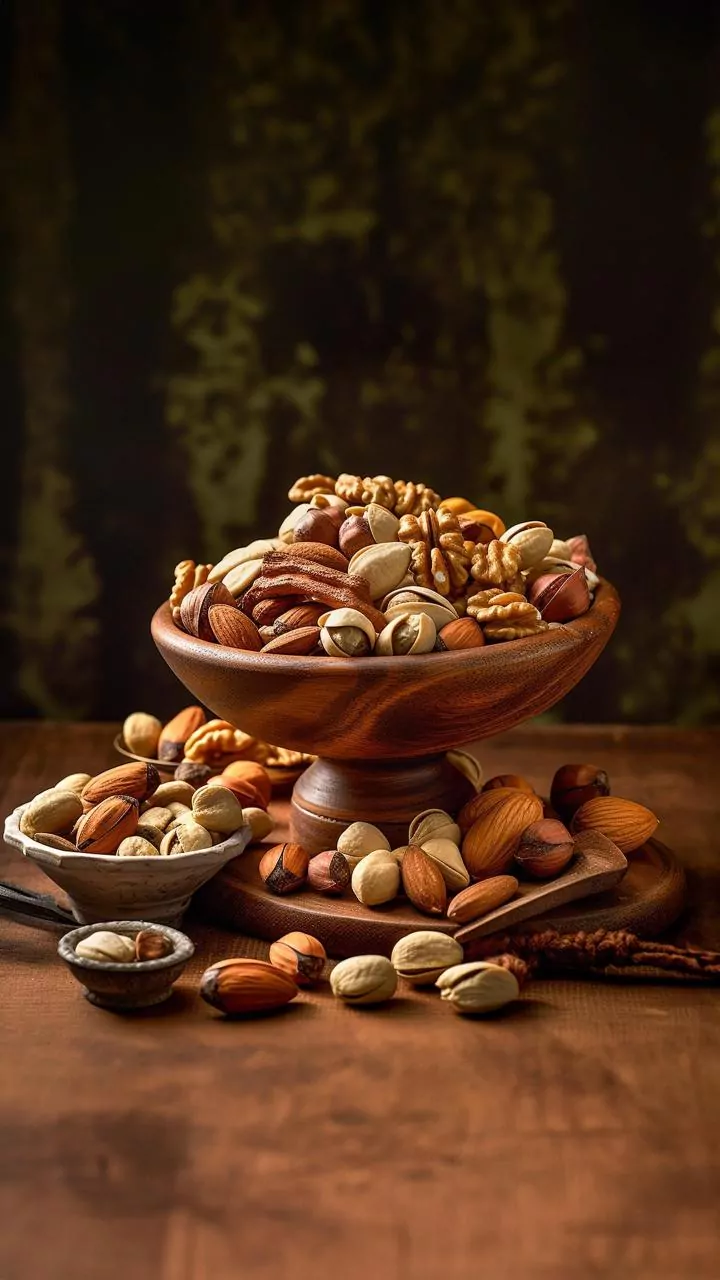
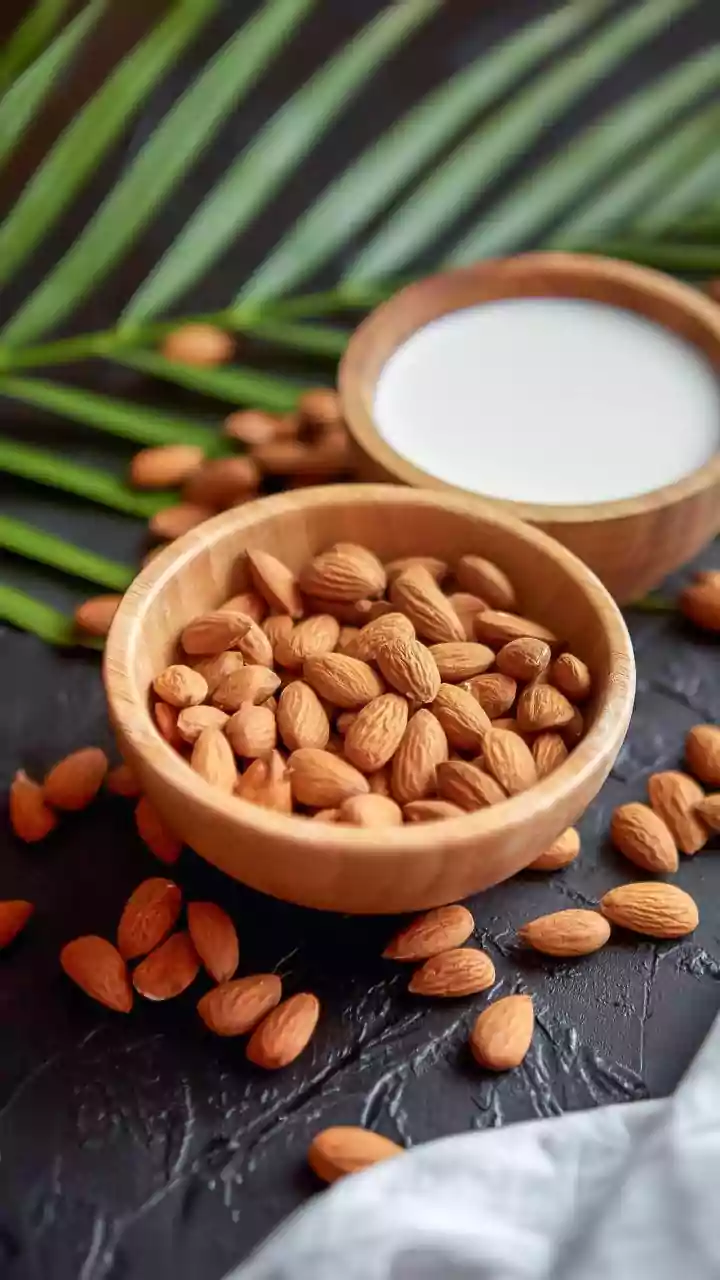
Health and wellness are no longer niche concerns; they are mainstream drivers of food choices in India. With rising awareness about lifestyle-related health issues, consumers are actively scrutinizing labels and seeking functional benefits from their food. Protein and fibre are at the forefront of this shift. A recent survey revealed that 86% of Indian consumers consider protein important when choosing a snack. Snacks rich in these nutrients are perceived as more 'filling' and effective at providing sustained energy, unlike traditional carbohydrate-heavy options. This has fuelled massive demand for products like protein bars, nut and seed mixes, and snacks made from lentils, chickpeas, and millets.
Convenience Gets a Healthy Makeover
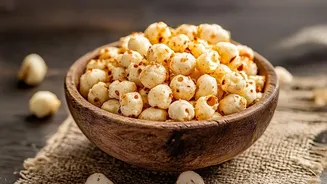
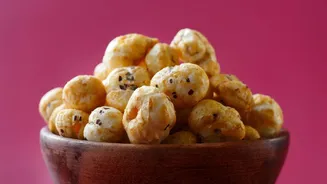
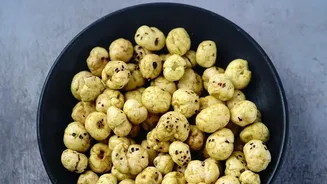
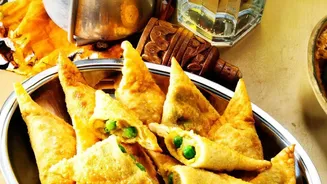
While convenience has always been king in the packaged food market, today's consumers are demanding more. They want 'healthy convenience'—quick, easy options that don't compromise on nutrition. The market is responding with a wave of innovation. Traditional snacks are being reinvented with healthier profiles—think baked, not fried, samosas and masala vadas. Ancient grains like millets (jowar, ragi) and superfoods like makhana (fox nuts) have been transformed from humble pantry staples into trendy, packaged snacks. These products offer the satisfying crunch of classic namkeen but with the added benefits of being higher in protein and fibre, and free from artificial preservatives.
How Brands Are Responding to the Shift
The Indian healthy snacks market is booming, with projections showing it growing significantly faster than the global average. Brands are racing to cater to the discerning new-age consumer. This has led to an explosion of products like protein-fortified chips, clean-label energy bars sweetened with dates or jaggery, high-protein yogurts, and ready-to-eat items like millet upma. Many companies are finding success by giving traditional recipes a modern, functional twist, such as creating high-protein chilla mixes from jowar or popped pea chips in classic Indian flavours like pudina chutney. This fusion of familiar tastes with modern nutritional science is proving to be a winning formula, appealing to both health aspirations and nostalgic palates.