






A New Martian Fleet
NASA recently announced it has awarded contracts to seven American companies to develop new robotic mobility systems for Mars. The initiative, known as Science Transport and Robotic Innovation for Deployment and Exploration (STRIDE), has a total value
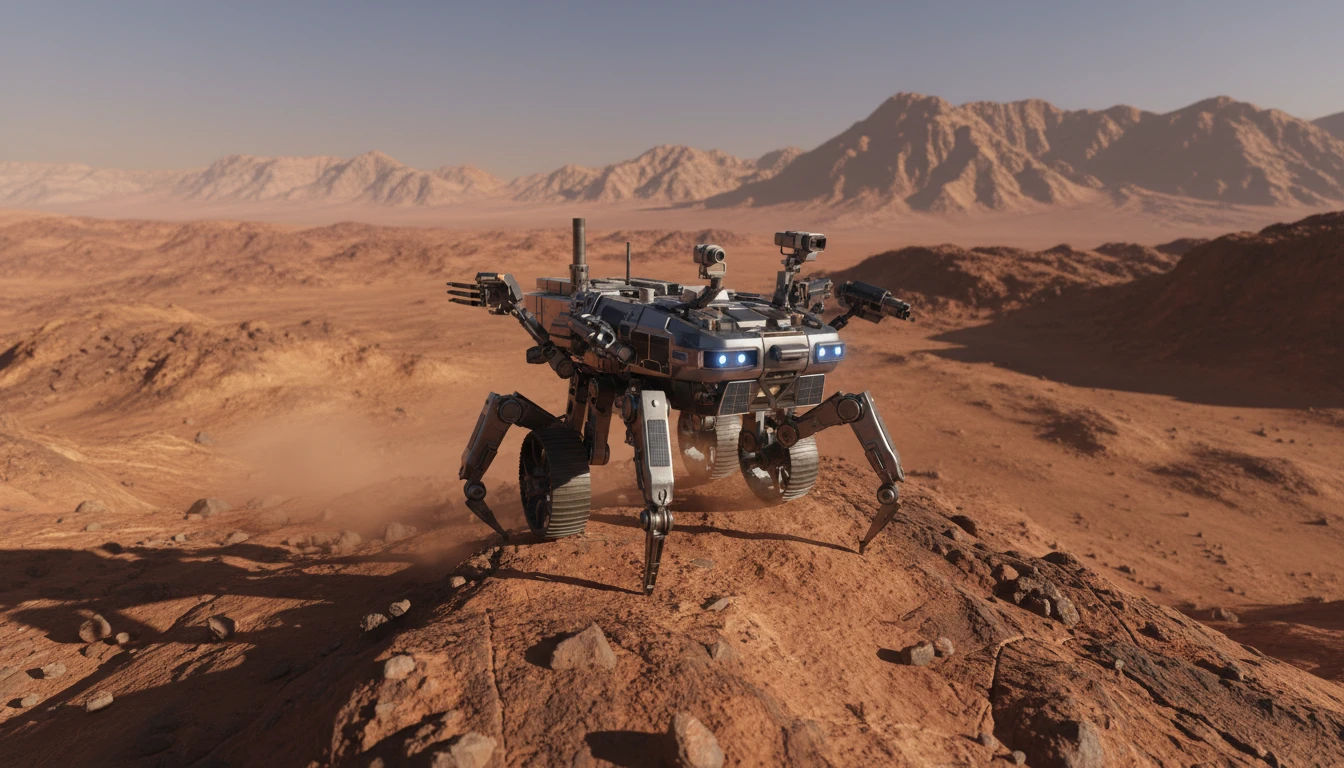
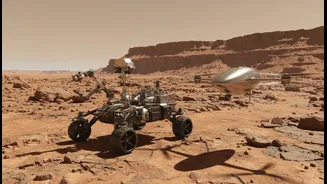
of around $17 million and is set to kick off in the fall of 2026. The companies selected are AeroVironment, Astrobotic, Venturi Astrolab, Ground Control Robotics, Honeybee Robotics, Intuitive Machines, and MEI Technologies. Their mission is to design the next generation of surface vehicles that will drive, and perhaps even walk or fly, across the harsh Martian landscape.
Beyond the Traditional Rover
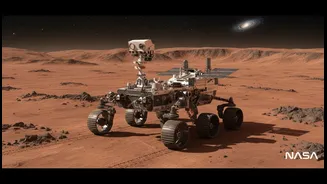
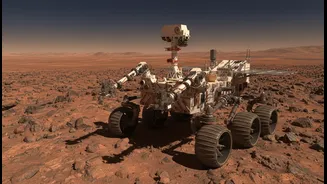
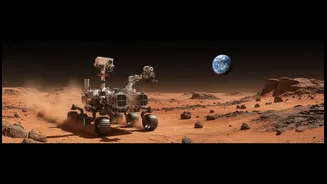
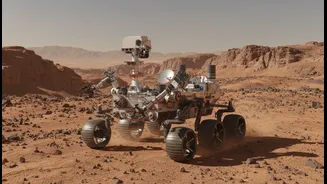
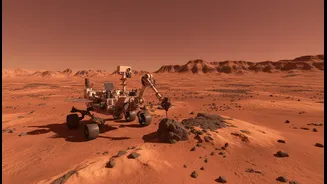
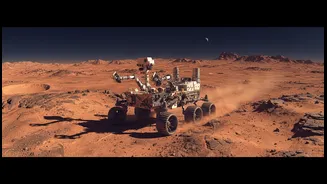
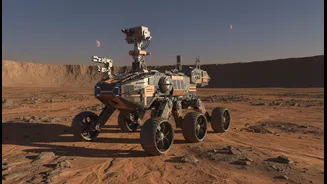
For decades, Mars exploration has been defined by iconic, car-sized rovers like Curiosity and Perseverance. These incredible machines are essentially mobile laboratories, each a monolithic, self-contained marvel of engineering. But they are also expensive, take years to develop, and are limited in the terrain they can access. The STRIDE contracts signal a major strategic pivot. NASA is now looking to create a more diverse and flexible toolkit. The goal is to foster systems that can travel farther, faster, and access scientifically valuable regions that are too risky for current rovers, like steep slopes or sandy dunes.
Mobility as a Service
The new approach is less about building a single, perfect rover and more about creating an ecosystem of mobility options. This is part of a broader trend at NASA of partnering with the private sector to handle transportation and infrastructure, freeing up the agency to focus on core science. We've seen this model work for resupplying the International Space Station and, more recently, with the Commercial Lunar Payload Services (CLPS) program for the Moon. By contracting out mobility, NASA hopes to lower costs, spur innovation, and increase the frequency of missions. Essentially, NASA wants to be able to order a ride for its scientific instruments on Mars, rather than building a new car from scratch every time.
The Moon to Mars Connection
This Martian initiative doesn't exist in a vacuum. It is deeply connected to NASA's Artemis program, which aims to establish a sustainable human presence on the Moon. The Moon is seen as a crucial testing ground for the technologies and strategies that will eventually be used to send astronauts to Mars. Many of the companies involved in the STRIDE contracts are also working on lunar projects, developing rovers and landers for the Moon. Lessons learned from operating robotic systems on the Moon will directly inform the designs for these future Mars explorers, making lunar development a critical stepping stone to the Red Planet.
A New Era of Exploration
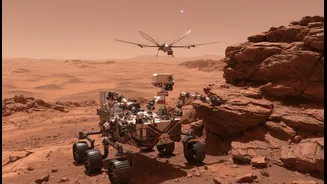
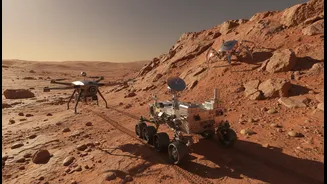
The significance of these seven contracts extends far beyond the $17 million investment. They represent a fundamental shift in the philosophy of planetary exploration. Instead of a handful of large, government-led missions, the future may involve a multitude of smaller, more specialized robots working in concert. Imagine small, agile robots scouting treacherous terrain for a larger rover, or a fleet of vehicles working together to build infrastructure ahead of human arrival. This public-private partnership model not only accelerates technological development but also builds a commercial space economy that can sustain long-term exploration goals.