







The Backlash to the ‘Instagram Effect’
For years, the travel industry's mantra was 'visibility is everything'. Success was measured in shares, likes, and geotags. A study found that many consumers under 30 prioritize how 'Instagrammable' a destination is when booking a trip. This phenomenon,
dubbed the 'Instagram effect', can turn once-obscure locations into bucket-list destinations overnight. However, this surge in popularity often comes at a steep price. Overtourism, fueled by the chase for the perfect selfie, has strained local infrastructure, damaged fragile ecosystems, and displaced residents in cities from Bali to Barcelona. Iconic spots like Thailand's Maya Bay were forced to close temporarily to recover from environmental damage caused by massive influxes of tourists. For residents, the reality can mean queuing behind tourists just to get home or watching their peaceful town turn into a crowded backdrop.
Choosing Anonymity Over Algorithms
In response, a growing number of communities are intentionally pulling back from the digital spotlight. This strategy, sometimes called 'de-marketing', is a conscious decision to prioritize preservation over promotion. Rather than courting every possible visitor, these destinations are opting out of the race for social media fame. Their goal is not to eliminate tourism, but to manage it sustainably. By forgoing viral marketing, they aim to protect their local culture, natural landscapes, and quality of life. This approach counters the trend of so-called 'selfie tourism', where visitors may have only a superficial interest in a place beyond getting a photo. Some municipalities have gone as far as closing roads to non-residents or implementing taxes to manage the flow of day-trippers, signaling a clear shift towards a more controlled and thoughtful approach to tourism.
The Allure of the Unseen
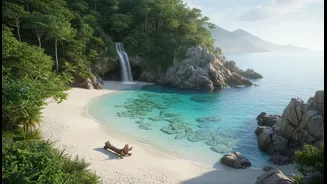
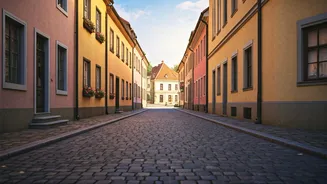
For travellers, this deliberate obscurity has a powerful appeal. There is a growing 'quiet travel' trend, with searches for terms like 'quiet life' and 'calm places' surging on platforms like Pinterest. People are increasingly seeking escapes from digital overload and the constant buzz of modern life. Destinations that stay off social media attract a different kind of visitor—one who is often more interested in authentic cultural encounters than in replicating a viral post. These travellers tend to stay longer, spend more money in the local economy, and engage more respectfully with the community. The benefits for those who venture off the beaten path are numerous: fewer crowds, less competition for accommodation, lower prices, and a more genuine connection to the place and its people. You get to stumble upon a local festival you didn't know was happening, rather than standing in a three-hour queue for a photo op.
A Sustainable but Risky Strategy?
While the benefits are clear, stepping away from the world's most powerful marketing tools is not without risks. Local businesses, especially smaller ones that rely on passing trade, may struggle without the visibility that social platforms provide. In a connected world, can a place truly remain a hidden gem? And is it fair to the businesses that want to grow? The answer may lie in a balanced approach. Some destinations are finding creative ways to promote themselves without feeding into the machine of overtourism. This includes creating immersive websites that showcase a wide variety of activities beyond the main attractions or educating visitors on how to travel responsibly before they even arrive. The key is moving the focus from just getting people there to managing the experience once they arrive, ensuring that tourism benefits the community without overwhelming it.