



Why July is the Magic Month
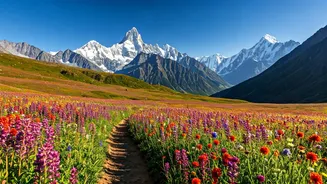
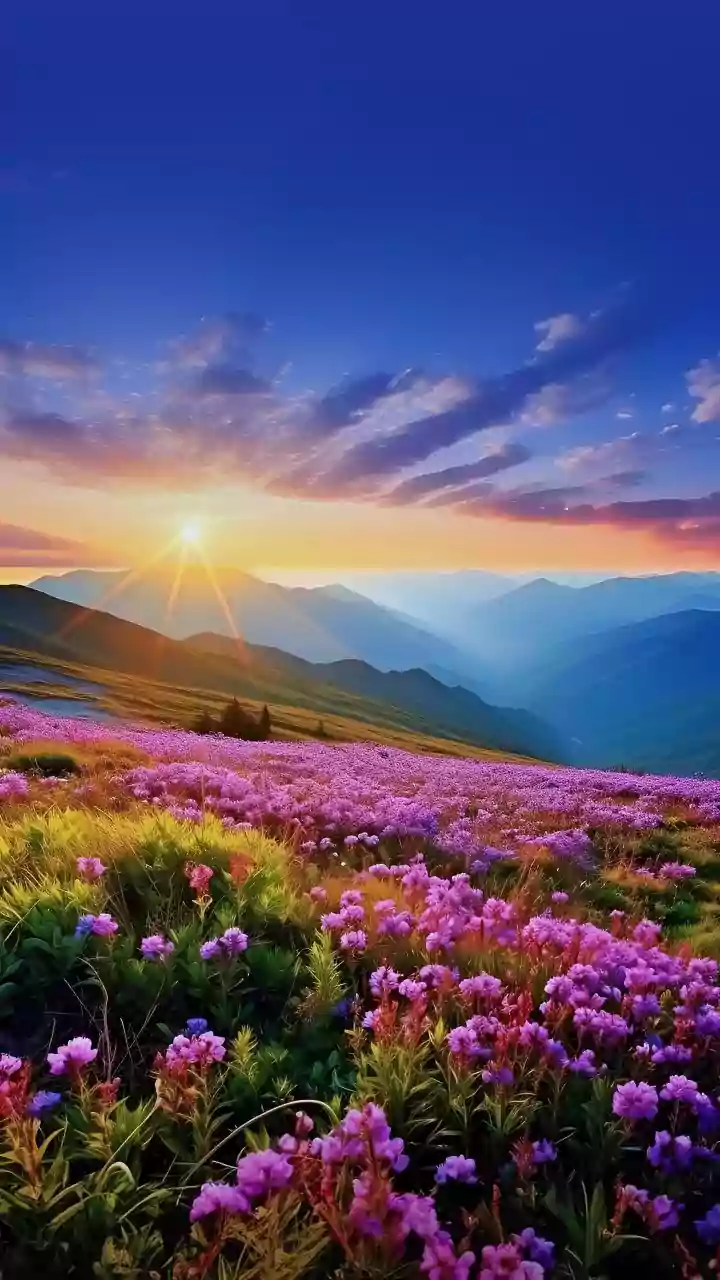
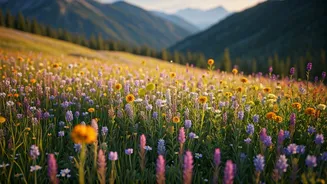
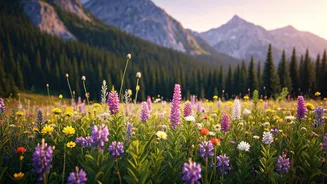
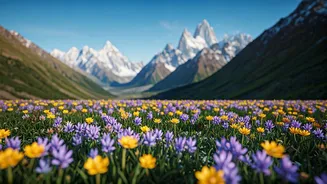
The Valley of Flowers officially opens to visitors on June 1 each year, but the real show begins with the monsoon rains. July is when the valley transforms into a kaleidoscope of colour. The consistent showers trigger a peak blooming period, carpeting
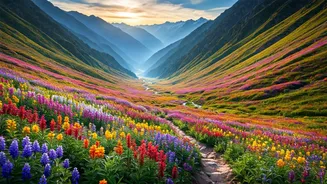
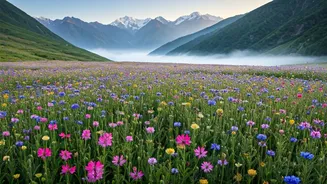
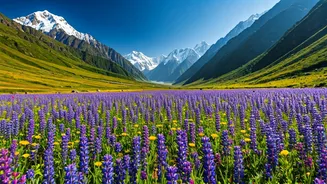
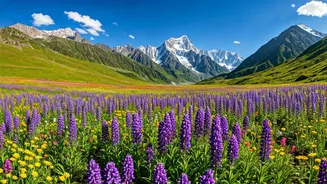
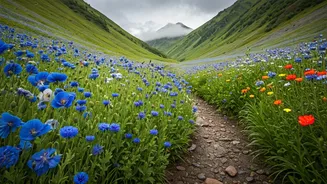
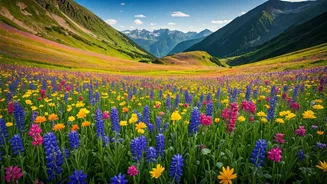
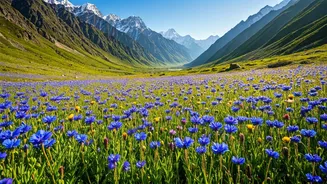
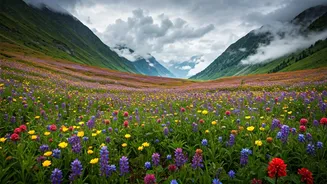
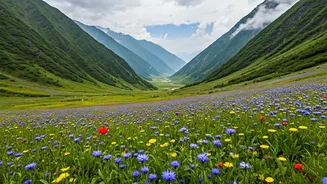
the meadows with over 600 species of alpine flowers. While June is greener with fewer blossoms and September offers clearer skies but fading flowers, mid-July to mid-August is the sweet spot for witnessing this floral extravaganza in its full glory. Expect a breathtaking mosaic of blue poppies, primulas, orchids, and marigolds set against a backdrop of misty peaks and lush greenery.
The Journey: A Soft-Adventure Trek
The term 'soft adventure' perfectly describes the trek to the Valley of Flowers. It is considered an easy-to-moderate journey, making it accessible for beginners with a reasonable level of fitness. The trek begins in earnest after a short drive from Govindghat to a point called Pulna. From Pulna, a well-defined trail of about 9-10 km leads to Ghangaria, the base camp village. This path is shared by pilgrims heading to Hemkund Sahib, so it is often dotted with tea shops for rest. The following day involves a 4 km trek from Ghangaria into the valley itself. While there are uphill stretches, the path is manageable, and the reward is an immersive walk through one of nature's most spectacular displays. No overnight stays are permitted within the park, so all visitors must return to Ghangaria by evening.
What You Will See: A Carpet of Alpine Blooms
The sheer biodiversity is what makes the Valley a UNESCO World Heritage Site. During the peak July bloom, you can expect to see hundreds of flower species creating a stunning natural carpet. Keep an eye out for the famous and rare Himalayan Blue Poppy, the delicate Brahma Kamal (often found at higher altitudes near Hemkund Sahib), vibrant primulas, wild geraniums, and towering delphiniums. The landscape constantly changes, with different flowers dominating the colour palette week by week. Beyond the flowers, the park is a land of gushing waterfalls, small streams, and lingering glaciers, all framed by snow-dusted Himalayan peaks.
Essential Planning and Logistics for 2026
Reaching the starting point, Govindghat, requires some planning. The nearest airport is Jolly Grant in Dehradun (approximately 290 km away), and the closest major railway station is in Rishikesh (about 270 km away). From there, it's a full day's drive by bus or taxi to Govindghat. Accommodation is available in Govindghat and is more plentiful in Ghangaria, the base camp, which offers a range of budget hotels and guesthouses. As of 2026, entry permits for the park can be booked online through the official Uttarakhand Forest Department portal, which is highly recommended due to a daily visitor cap of 300 people. Packing is crucial: waterproof jackets and pants, sturdy trekking shoes with good grip, layered clothing, and a walking stick are essentials for this monsoon trek.