






The New Weekend Ritual
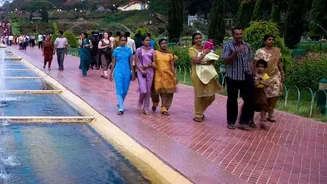
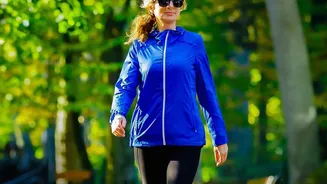
Before the city's traffic roars to life, groups of people gather in parks, along lakes, and on seaside promenades. You'll find them in Bangalore's Cubbon Park, Mumbai's Marine Drive, and Gurgaon's Aravalli trails. These are not athletes training for a marathon,
but a diverse mix of residents reclaiming their mornings. This trend is part of a larger shift in urban India, where fitness is becoming a social, community-driven activity rather than a solitary pursuit. What started as a simple idea for many—to get healthier and meet new people—has snowballed into a significant cultural phenomenon, reshaping how urbanites spend their leisure time and connect with their cities.
More Than Just Miles
While the physical benefits of walking are well-documented—improved cardiovascular health, reduced risk of chronic disease—the appeal of these clubs runs much deeper. They are powerful tools against urban loneliness, creating spaces for genuine human connection. Studies have shown that group exercise boosts motivation and accountability, making it more likely for people to stick with their fitness goals. In a post-pandemic world where many work from home, these clubs serve as a vital 'third place'—a social hub outside of home and work. This is especially true for Gen Z, who are increasingly likely to meet people through workouts than at bars.
A Community on the Move
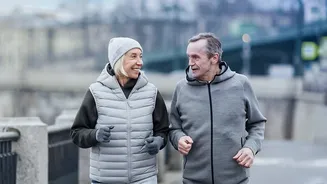
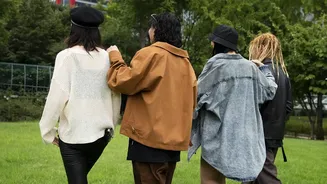
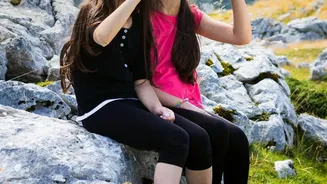
One of the most remarkable aspects of these walking clubs is their sheer diversity. In a single group, you might find a 14-year-old walking alongside a 55-year-old, or a corporate executive chatting with a homemaker. This intergenerational and cross-professional mingling fosters a unique sense of community and belonging. Some clubs are broad, welcoming anyone who wants to join, like the Gurgaon Walkers Group which organizes weekly hikes. Others are more specific, catering to particular interests or demographics. For instance, 'City Girls Who Walk Delhi' provides a safe and supportive space for women to network, explore, and build friendships.
Reclaiming Public Spaces
The rise of walking clubs is also a story about the changing relationship between citizens and their urban environment. As hundreds of people take to the streets and parks, they create a sense of safety and vibrancy. These groups are breathing new life into public spaces, transforming them from mere thoroughfares into hubs of community activity. The trend has also spawned specialised groups that combine walking with other interests, such as the history-focused 'Bangalore Walks' or nature-centric 'Deccan Birders'. By simply walking together, these communities are making a powerful statement about their right to a healthier, more people-friendly city.
Finding Your Stride
Joining this movement is easier than ever. Platforms like Meetup list dozens of walking groups in cities like Mumbai, Bangalore, Pune, and Delhi. Many clubs, born on social media, have amassed huge followings online that translate into large turnouts on the ground. Some groups are free and spontaneous, requiring no pre-registration, while others might focus on guided heritage or nature trails. Whether you're looking for a brisk fitness walk, a leisurely social stroll, or a structured hike, there is likely a community of walkers waiting to welcome you. All you need is a comfortable pair of shoes and the willingness to take the first step.