




The Flight Game: Your Biggest Save
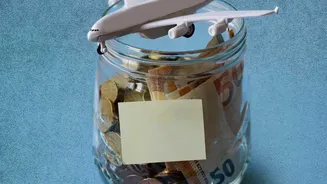
Your flight will be the single largest expense, so mastering this is key. To keep costs down, you must be flexible and strategic. Book your tickets at least two to three months in advance. Aim for the 'shoulder seasons'—months like March, April, September,
and October—when weather is still pleasant but demand is lower, leading to cheaper fares. Use flight comparison websites and set price alerts for routes from Indian cities like Delhi, Mumbai, or Kolkata to Hanoi or Ho Chi Minh City. Budget airlines like VietJet and Indigo frequently offer promotional fares that can bring a round-trip ticket down to the ₹15,000–₹20,000 range, which is crucial for sticking to the overall budget. Flying mid-week is also often cheaper than on weekends.
Visa Victory: The Simple and Cheap E-Visa
Gone are the days of complicated visa processes. For Indian citizens, Vietnam offers a straightforward and affordable e-visa. The official government fee for a single-entry 90-day visa is just $25 USD, which works out to approximately ₹2,100. The most important hack here is to apply directly through the official government portal (evisa.gov.vn). Avoid third-party agent websites that charge significantly higher service fees for the exact same document. The process takes about three to five working days. Once approved, you simply print the e-visa and present it upon arrival. It’s a small cost but saving on unnecessary agent fees adds up.
Stay Smart: Embrace Hostels and Homestays
Vietnam has a vibrant and well-established backpacker culture, which means high-quality, budget-friendly accommodation is plentiful. Forget expensive hotels; hostels are your best friend. A dorm bed in a clean, well-located hostel in cities like Hanoi or Ho Chi Minh City can cost as little as ₹500–₹800 per night. Many of these hostels include free breakfast and Wi-Fi, offering incredible value. They are also social hubs, perfect for meeting other travellers and getting local tips. In more rural areas like Sapa or the Mekong Delta, look for local homestays. These not only provide an affordable place to sleep but also offer an authentic cultural experience.
Eat Like a King on a Pauper's Budget
Vietnamese street food is legendary for a reason: it's delicious, safe, and incredibly cheap. This is where your budget can really stretch. You can have a fantastic, filling meal for under ₹200. A classic bowl of Pho (noodle soup) or a Banh Mi (Vietnamese sandwich) will often cost between ₹100 and ₹170. Look for the plastic stools and tables on the sidewalk—that's where you'll find the best and most authentic food. For a daily food budget, you can comfortably get by on ₹800–₹1,000, allowing for three full meals and even a glass of 'Bia Hoi' (fresh beer), which can cost as little as ₹35. Eating local is not just a saving hack; it's an essential part of the Vietnamese experience.
Master Local Mobility
Getting around Vietnam is surprisingly efficient and affordable. Within cities, download the Grab app (Southeast Asia's version of Uber). Grab bike-taxis are the cheapest and quickest way to navigate the bustling city traffic for short distances, with most rides costing under ₹100. For long-distance travel between cities like Hanoi and Da Nang, embrace overnight sleeper buses or trains. A ticket can cost between ₹500 and ₹1,200. This hack is a double win: you cover large distances while you sleep, saving precious daylight hours and, more importantly, the cost of one night's accommodation.
Focus on One Region
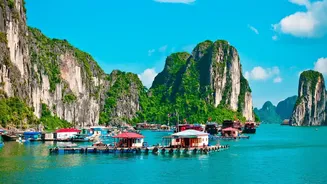
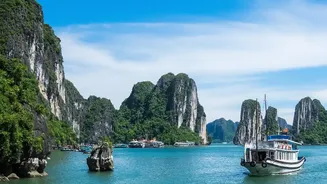
Vietnam is a long, narrow country, and trying to see everything from north to south on a short, budget trip is a common mistake. Internal flights and long bus journeys eat up both time and money. A smarter approach is to focus on one region. For a 7-day trip, either explore the North (Hanoi, Ha Long Bay, Ninh Binh) or the South (Ho Chi Minh City, Mekong Delta). This minimizes travel time and costs, allowing for a more immersive experience. You can explore the winding streets of Hanoi's Old Quarter, trek in Sapa, or boat through the Mekong Delta without feeling rushed and without spending a fortune on domestic travel.
The Art of Free and Low-Cost Fun
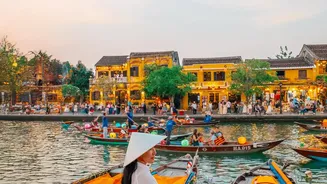
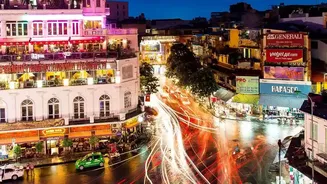
Some of the best experiences in Vietnam cost very little or nothing at all. Instead of booking expensive organised tours, embrace the joy of self-exploration. Walking through Hanoi's Old Quarter or the lantern-lit streets of Hoi An is a magical experience that is completely free. Many temples and pagodas have minimal or no entry fees. Enjoying the local life at a park, watching the traffic from a streetside cafe, or relaxing on a public beach are all part of the authentic experience. For pricier attractions like Ha Long Bay, look for budget-friendly day trips or share costs with fellow travellers from your hostel.