

More Than Just a Meal
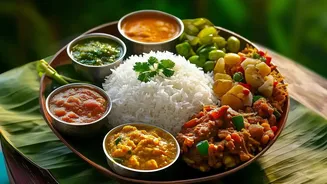
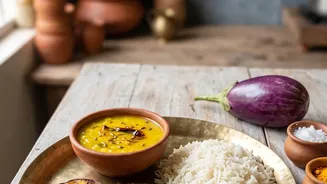
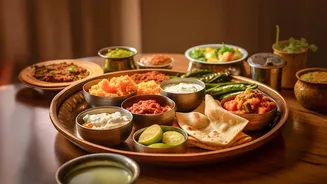
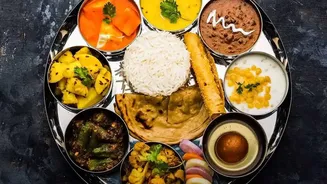
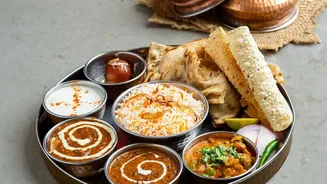
In Rajasthan, food is an expression of culture, a reflection of a royal past and a testament to the ingenuity of its people. The thali, a large platter holding a constellation of small bowls (katoris), is the grand showcase of this heritage. It’s not
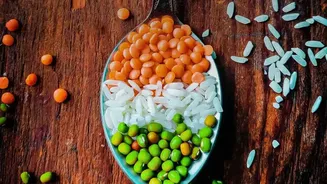
just an assortment of dishes but a complete, balanced meal designed to provide a spectrum of flavours that delight the senses. The cuisine is deeply shaped by the arid climate and the historical 'wartime' lifestyle, where ingredients had to be long-lasting and dishes could be prepared with minimal water. This led to a reliance on lentils, gram flour (besan), dried beans, and a generous use of spices and dairy products like ghee and buttermilk.
The Philosophy of Flavour
The magic of a Rajasthani thali lies in its deliberate balance of sweet, spicy, and savoury elements. This isn't a random assortment but a carefully orchestrated experience. The combination is rooted in tradition, where a meal is meant to touch upon all the different tastes. The sweet element, often represented by Churma, is not just a dessert to be eaten at the end. It's an integral part of the main course, designed to counterbalance the fiery, spicy curries and the rich, savoury dals. This interplay creates a dynamic culinary experience, where each bite can be different from the last, allowing the diner to mix and match components according to their preference.
The Savoury and Spicy Stars
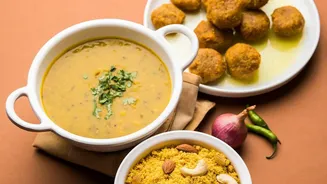
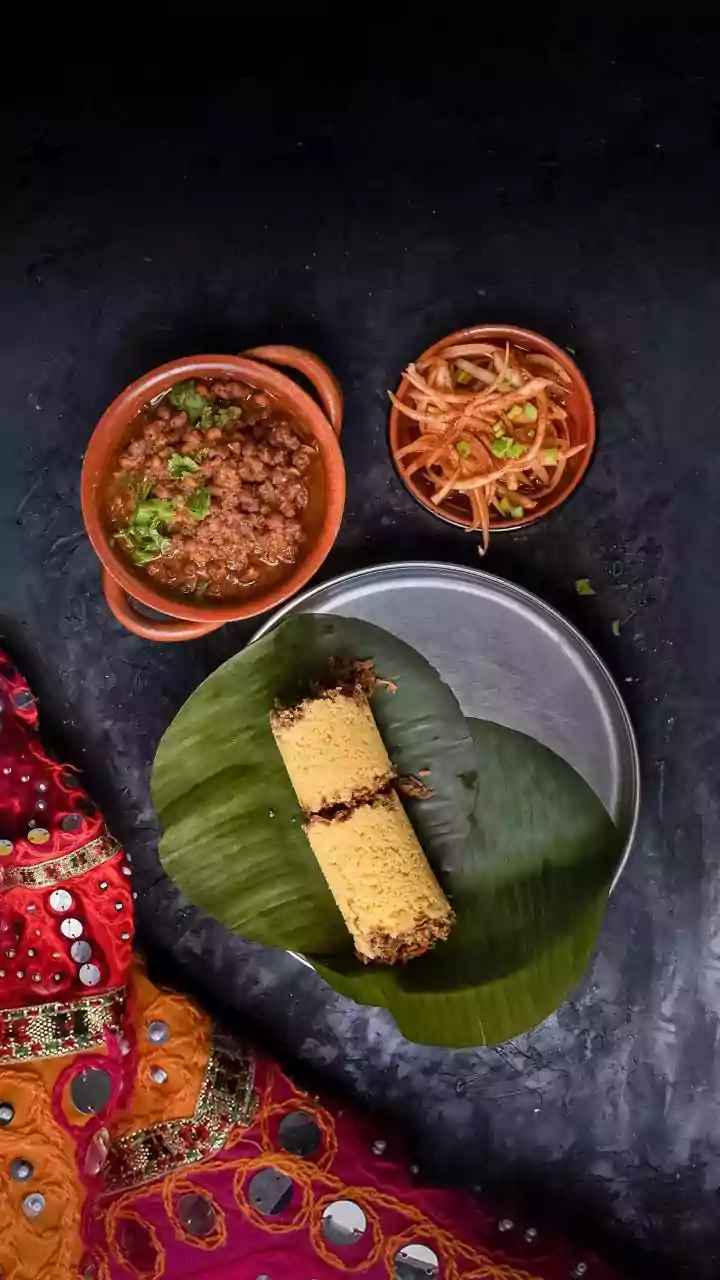
The heart of the thali's savoury side is often Dal Baati. The Baati are hard, unleavened wheat rolls traditionally baked in embers, resulting in a crispy exterior and soft interior. They are cracked open and drenched in ghee before being eaten with the dal. The dal itself is typically 'Panchmel Dal', a robust curry made from a mix of five different lentils, seasoned with aromatic spices like cumin, cloves, and asafoetida. Another star is Gatte ki Sabzi, a brilliant invention born from the scarcity of fresh vegetables. It features steamed and pan-fried gram flour dumplings simmered in a tangy, spicy yogurt-based gravy. For non-vegetarians, the legendary Laal Maas, a fiery mutton curry made with Mathania chillies, offers a taste of the region's royal hunting traditions.
The Sweet Counterpoint
Sweetness is the essential counterweight in this flavour equation. The most famous sweet component is Churma, a coarsely ground wheat mixture sweetened with jaggery or sugar and enriched with ghee and cardamom. It’s made by crushing the baked baatis and mixing them with sweeteners. The Churma isn't just a dessert; it's eaten alongside the spicy dal and savoury baati, creating a perfect trifecta of tastes in a single mouthful. Other sweet dishes that might grace a thali include Ghevar, a disc-shaped honeycomb dessert soaked in sugar syrup, or Malpua, sweet pancakes, especially during festivals.
The Supporting Cast
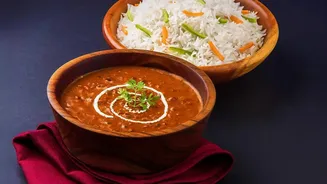
No thali is complete without its accompaniments, which add further layers of texture and flavour. Ker Sangri is a unique dish made from dried desert beans and berries, offering a tangy and spicy taste that reflects the resourcefulness of desert cooking. A pot of spicy Kadhi, a yogurt and gram flour-based soup, provides a thin, tangy gravy option. Fiery garlic chutney (Lehsun ki Chutney), cooling mint chutneys, and assorted pickles provide sharp, pungent notes. To drink, a glass of Chaas (buttermilk) helps to cool the palate and aid digestion, completing the holistic dining experience.
A Journey on a Plate
Eating a Rajasthani thali is an interactive journey. The traditional way is to use your right hand. You break off a piece of the ghee-soaked baati, create a small indentation, and fill it with the spicy dal. Then, you might add a touch of churma for sweetness or a dab of garlic chutney for an extra kick. The idea is to mix elements together, creating a personalised bite each time. It’s a feast that engages all the senses, a grand narrative of Rajasthan's royal heritage and resilient spirit, served with immense hospitality. It’s a culinary experience that stays with you long after the meal is over.