







Understanding the Stop Check
Roadside inspections by police or transport authorities are a standard part of ensuring road safety in India. They are not just about finding faults; they are a key component of keeping highways safe for everyone. According to the Motor Vehicles Act,
authorities can conduct routine checks to verify vehicle fitness, driver documentation, and adherence to transport regulations. For commercial drivers, this means having your driving license, Registration Certificate (RC), Pollution Under Control (PUC) certificate, and vehicle insurance readily available is non-negotiable. For those transporting goods, especially perishable items, an additional layer of compliance comes from the Food Safety and Standards Authority of India (FSSAI), which mandates specific licenses and handling protocols to ensure food integrity from farm to fork. Understanding that these stops are a legal and necessary procedure is the first step toward handling them professionally and efficiently.
Managing Fresh Food with FSSAI Rules
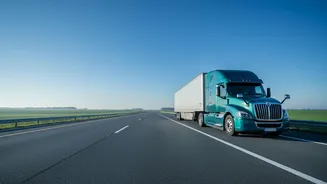
When your cargo is fresh food, a delay is more than an inconvenience—it's a direct threat to your load. The FSSAI has specific regulations for food transporters to prevent contamination and maintain product quality. This starts before you even turn the key. Your vehicle, whether it's an insulated van or a large refrigerated truck, must be clean and properly equipped for temperature control. All food transporters are considered Food Business Operators (FBOs) and must have an FSSAI license, with the type depending on the scale of operation. During an inspection, having this license and other documentation, like vehicle fitness certificates and hygiene procedure records, in order can significantly speed up the process. Ensure that different food types are properly segregated to avoid cross-contamination and that your packaging is secure. A well-organized and compliant truck shows professionalism and can often lead to a quicker, smoother inspection.
During the Inspection: A Driver's Checklist
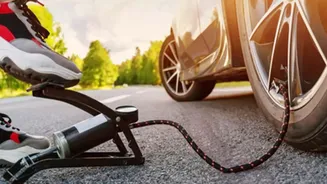
Once you've been signalled to pull over, your conduct can make a significant difference. Find a safe spot to stop, well away from flowing traffic. Keep calm and be cooperative. Have your complete document folder ready to present. This should include your personal license, all vehicle papers, and any cargo-specific documents like e-way bills and FSSAI licenses. If you are carrying temperature-sensitive goods, politely inform the officer and explain the need to keep the refrigeration unit running if possible to prevent spoilage. Do not argue or offer unsolicited information. Answer questions clearly and concisely. A pre-trip inspection of your own vehicle is your best defense; ensuring all your lights, brakes, and tires are in good condition reduces the chances of violations being found in the first place. Common roadside violations often relate to brake systems, inoperative lights, and expired medical cards or licenses, all of which are preventable.
The Critical Rejoin: Safely Merging Back into Traffic
Safely re-entering a busy highway from a standstill is one of the most dangerous manoeuvres for a heavy vehicle. It is your responsibility to merge without forcing other drivers to brake suddenly. Before you start moving, use your mirrors to assess the traffic flow, speed, and the gaps between vehicles. Don't be in a hurry. It's better to wait for a larger-than-normal gap than to risk a collision. Use the shoulder or the space you have to build up as much speed as possible before merging into the main lane. Signal your intention to merge well in advance, but only after you have identified a safe gap. Some courteous drivers may move over to give you space, but you cannot depend on it. A heavy truck takes significant time and distance to get up to highway speed, so patience and careful judgment are paramount. After pulling away, do a quick check to ensure no vehicle components were loosened or damaged during the stop.