







The Green Season is the New Peak Season
For decades, India’s travel calendar was predictable: summer and winter were for holidays, while the monsoon months from June to September were for staying put. That logic is officially being washed away. Travel platforms and hotel groups are reporting
an unprecedented surge in monsoon travel, transforming the rainy season into a bustling period for domestic tourism. According to travel fintech platform Scapia, some destinations have seen a nearly 10-fold growth in hotel bookings compared to last year. Similarly, Radisson Hotel Group reports that July bookings are pacing almost 10% ahead year-on-year. This isn't just a minor uptick; it's a structural shift. The monsoon is no longer a dreaded travel spoiler but a powerful driver of tourism in its own right, with some industry experts noting a remarkable 46% rise in overall monsoon reservations.
A Perfect Storm: Why Indians Are Chasing the Rains
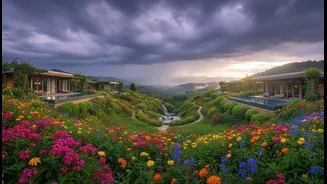
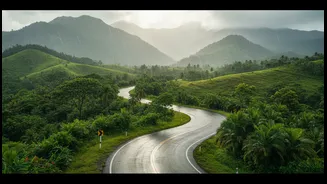
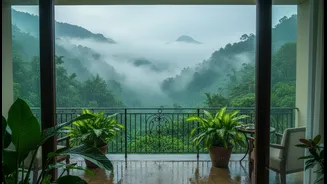
Several factors are fuelling this trend. Firstly, there’s the simple appeal of smaller crowds and better deals. While hotel tariffs in popular spots like Goa used to drop significantly, sustained demand now means pricing is more resilient, though still often more affordable than the peak winter season. Secondly, the rise of remote and hybrid work has untethered professionals from their desks. The "workation" culture allows people to escape urban burnout by blending work with travel, swapping city noise for the calming sound of rain in the mountains or by the sea. This flexibility enables longer, more spontaneous trips. Finally, there's a growing aesthetic appreciation for the monsoon. Encouraged by social media, travellers are actively seeking out the lush green landscapes, misty hills, and cascading waterfalls that define the season. It's a move towards experience-led travel, where the unique atmosphere of a destination during the rains is the main attraction.
Where the Clouds Are Gathering
The monsoon magic is being felt across the country, well beyond the traditionally popular Goa and Kerala. Hill stations are major beneficiaries, with destinations like Munnar and Mussoorie seeing dramatic growth in hotel bookings. Data from hostel brand Zostel shows bookings in Shimla are up 76% year-on-year, while Srinagar, Tirthan Valley, and Gangtok have seen footfall grow by nearly 95%. It’s not just the mountains; the Northeast is also emerging as a standout performer, with Nagaland and Arunachal Pradesh recording a 62% rise in flight bookings. Southern havens like Coorg, Wayanad, and Ooty have witnessed a booking expansion of about seven times. Even Rajasthan, often associated with arid landscapes, is drawing visitors to places like Udaipur and Bundi to see its lakes and palaces transformed by the rain. Spiritual destinations such as Rishikesh, Ayodhya, and Varanasi are also maintaining healthy occupancy, proving their year-round appeal.
Reshaping India's Travel Landscape
This trend is more than just a passing fad; it signals a permanent evolution in India's domestic tourism calendar. The clear distinction between peak and off-peak seasons is blurring, creating a more sustainable, year-round travel economy. For local businesses in destinations that once saw a significant slump during the monsoon, this new wave of tourism provides a vital economic boost, supporting hotels, homestays, and restaurants during what were once lean months. As travellers continue to prioritise authentic experiences over cookie-cutter holidays, the appeal of a rain-washed, crowd-free destination is only set to grow. This shift challenges the traditional tourism model and encourages a deeper appreciation for the country's diverse seasonal beauty.