




The Instant Noodle Habit
Let’s be honest: the appeal of instant noodles is undeniable. They are cheap, incredibly easy to prepare, and engineered to hit all our satisfaction buttons with their salty, savoury seasoning. For students, busy professionals, and anyone needing a quick
fix, they have become a pantry staple. But this convenience comes at a nutritional cost. Most instant noodle varieties are made from refined wheat flour (maida), which has been stripped of its fibre and nutrients. The real culprit, however, often lies in the accompanying seasoning packet. It’s typically loaded with sodium, monosodium glutamate (MSG), and various artificial flavours and preservatives. While a packet now and then is unlikely to cause harm, a regular habit contributes to a high intake of processed ingredients and sodium, with very little to offer in terms of vitamins, minerals, or quality protein.
Introducing a Worthy Rival
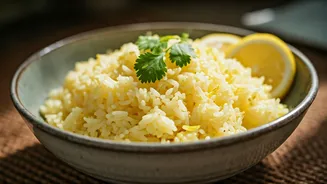
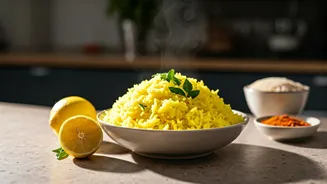
Now, consider lemon rice, or Chitranna, a beloved dish from South India. It’s a vibrant, sunshine-yellow meal that’s fragrant, tangy, and wonderfully light. At first glance, it might seem more complex than tearing open a packet, but it’s one of the quickest home-cooked meals you can make. The secret? Using pre-cooked or leftover rice. With that single shortcut, you’re already halfway there. The rest is a simple, aromatic tempering—a ‘tadka’—that takes less than five minutes to prepare. It involves sizzling mustard seeds, lentils, peanuts, and curry leaves in a little oil before mixing everything with the rice, turmeric, and fresh lemon juice. The result is a complete sensory experience—a far cry from the one-dimensional taste of noodle seasoning.
A Clear Nutritional Upgrade
When you compare the two, lemon rice wins by a landslide on the nutritional front. The base is rice, a simple carbohydrate, but the magic is in the additions. Turmeric, which gives the dish its beautiful colour, contains curcumin, a compound known for its powerful anti-inflammatory and antioxidant properties. The fresh lemon juice provides a good dose of Vitamin C, which aids iron absorption and boosts immunity. The tempering adds even more: mustard seeds are rich in minerals, curry leaves are packed with antioxidants, and adding peanuts or other nuts contributes healthy fats, fibre, and a bit of protein. Unlike the empty calories of instant noodles, every ingredient in lemon rice serves a purpose, contributing to a more balanced and nourishing meal.
More Than Just Health
The benefits of making this switch go beyond just nutrition. When you make lemon rice at home, you have complete control over what goes into your food. You can regulate the amount of salt and oil, choose a healthier rice variety like brown rice for added fibre, and even toss in some vegetables like peas or grated carrots to make it even more wholesome. There’s also the immense satisfaction that comes from creating a meal, however simple, from scratch. The fresh, zesty flavour of lemon rice is complex and genuinely refreshing, offering a delightful contrast to the often-heavy and artificial taste of packaged foods. It’s a meal that nourishes your body and also feels like a small, joyful act of self-care.
Making the Switch Easy
Embracing lemon rice doesn’t mean committing to a complicated cooking routine. The key is a little bit of planning. Whenever you cook rice for a meal, simply make an extra cup or two and store it in the fridge. Cold, day-old rice is actually perfect for making lemon rice as the grains are firm and don't get mushy. You can also prepare a 'tadka mix' in a small jar by combining mustard seeds, chana dal, urad dal, and dried red chillies. When you’re ready to eat, all you need to do is heat some oil, add a spoonful of your mix, toss in the rice with turmeric and salt, and finish with a squeeze of lemon. It’s a genuine 10-minute meal that will leave you feeling energised, not sluggish.