




The Viral Food Machine
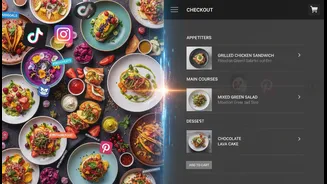
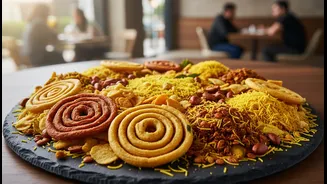
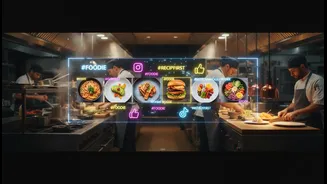
On platforms like TikTok and Instagram, food trends now move at lightning speed. A short video of a creative recipe or a unique menu hack can become a global sensation in a matter of days, if not hours. This rapid-fire cycle is driven by algorithms that
push engaging content to millions of young, impressionable users. Generation Z, in particular, discovers, validates, and participates in these trends in real time. According to recent data, a staggering 84% of Gen Z consumers actively try food trends they see on social media, fundamentally changing how they discover and experience food. This creates a powerful, if fleeting, wave of consumer demand before many restaurants are even aware a trend exists.
The QSR Reality Check
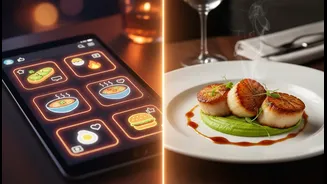
In stark contrast to the instant nature of social media, the process of menu innovation at a major QSR is traditionally slow and deliberate. It involves a complex chain of research and development, extensive taste testing, sourcing a reliable supply chain for new ingredients, training staff across potentially hundreds of locations, and planning a coordinated marketing launch. Each step is designed to minimize risk and ensure consistency, but it's a process that can take many months, sometimes over a year. By the time a QSR has successfully navigated this internal maze to launch an item based on a past trend, the online conversation may have completely moved on, leaving the brand with a product that feels dated upon arrival.
The High Cost of Chasing Trends
For QSR brands, the pressure to stay relevant is immense, but jumping on a trend without proper validation is a risky gamble. The costs associated with a failed menu launch are significant, from wasted product to ineffective marketing spend. Moreover, operational complexity is a huge barrier. A new item that requires specialized ingredients or complicated preparation steps can slow down service, compromise quality, and frustrate employees, ultimately damaging the customer experience. Brands risk creating complicated operations with ingredients that are only used in one product, leading to waste and inefficiency. The challenge is to capture the excitement of a trend without falling victim to its short lifespan.
A Smarter Way: The 'Test and Learn' Approach
Instead of committing to a full-scale, permanent menu change, savvy QSRs are adopting a more agile, data-driven strategy: testing demand before scaling. Limited-Time Offers (LTOs) are a powerful tool in this arsenal. They allow brands to introduce new, trend-inspired items for a short period, creating a sense of urgency and exclusivity that drives traffic. LTOs serve as a low-risk testing ground to gauge customer interest and operational feasibility before making a permanent commitment. Successful LTOs can then be considered for the permanent menu, backed by real sales data. Other methods include launching digital-only items on delivery apps, running pop-up experiences, or collaborating directly with the food creators who start the trends.
Engaging the Young, Digitally Native Diner
This agile approach is perfectly aligned with the expectations of younger diners. Gen Z values novelty, authenticity, and experiences worth sharing online. They are adventurous eaters who actively seek out new flavors, especially those with global or street-food influences. They don't just want to buy a product; they want to participate in a conversation. By using LTOs and collaborating with influencers, brands can invite these young consumers into the innovation process. This strategy transforms menu development from a top-down corporate decision into a dynamic dialogue between the brand, its most engaged customers, and the culture creators they follow, building loyalty that goes far beyond a single transaction.