




The Basic Kitchen Chemistry
At its core, the issue comes down to a simple chemical reaction. Aluminum is a reactive metal. When it comes into contact with highly acidic or salty foods, the reaction is accelerated. Foods like tomatoes, citrus fruits (lemons, limes, oranges), and
anything with a vinegar base contain acids that can dissolve the thin, protective layer on aluminum foil. This interaction can cause tiny particles of aluminum to break down and mix with your food. You might even see physical evidence of this on the foil itself, such as small holes, discoloration, or a chalky white residue.
How It Affects Your Food
The most immediate and noticeable effect of this chemical reaction is on the taste of your food. Many people report a distinct metallic taste in leftovers that were stored in aluminum foil, particularly with acidic dishes like tomato sauce or marinades. This happens because the aluminum salts created during the reaction are transferred into your meal. Beyond the unpleasant taste, the reaction can also discolor the food it touches. While the foil is great at protecting food from light and oxygen, this chemical interaction compromises its integrity as a neutral storage solution for certain ingredients.
Is It a Health Concern?
This is the question on most people's minds. The short answer is that for most healthy individuals, the small amount of aluminum that might leach into food from foil is not considered a major health risk. Our bodies are exposed to small amounts of aluminum daily from water, air, and even some vegetables, and our kidneys are very efficient at filtering and excreting it. However, experts agree it's wise to minimize unnecessary exposure. While links to diseases like Alzheimer's have been discussed, there is no strong evidence connecting the use of aluminum foil to an increased risk of disease. The primary concern is for individuals with compromised kidney function, as their bodies may have difficulty filtering out the excess metal. Ultimately, while occasional use is unlikely to be harmful, it's a simple and sensible precaution to avoid it for acidic foods.
Foods to Keep Away From Foil
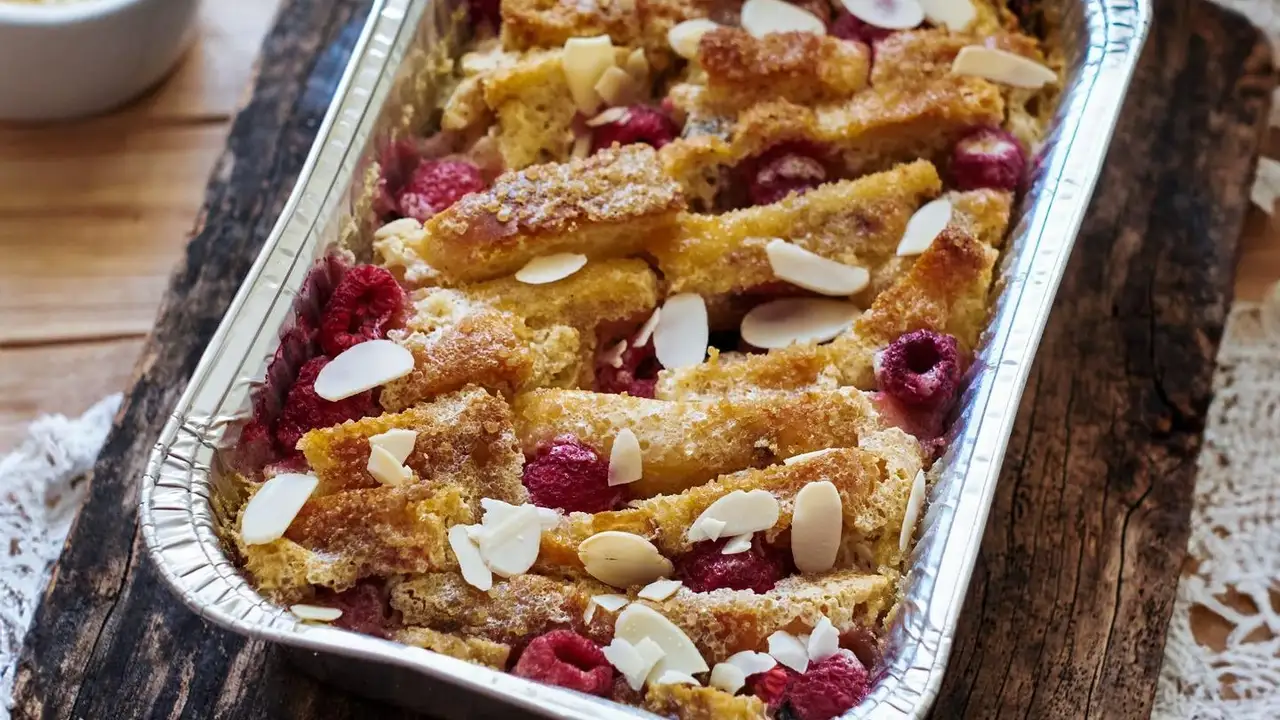
To make things simple, it's best to avoid storing certain types of foods in direct contact with aluminum foil, especially for longer than a few hours. This is even more crucial when cooking with foil at high temperatures, which accelerates the reaction. Be cautious with: Tomato-based dishes (sauces, lasagna, pizza); Citrus fruits and juices (lemons, oranges, grapefruit); Foods with a high vinegar content (pickles, sauerkraut, salad dressings); Salty foods (cured meats, brined items).
Smarter, Safer Storage Alternatives
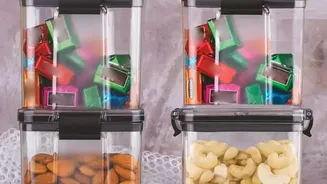
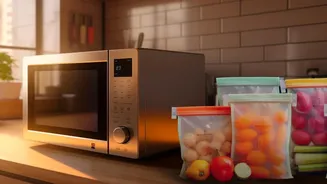
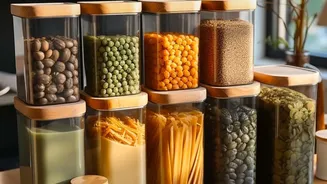
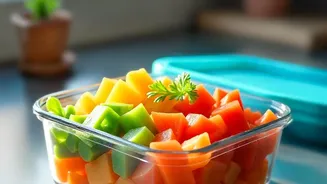
The good news is that there are many excellent and safer alternatives for storing your acidic leftovers. Glass containers are widely considered the gold standard. Glass is non-reactive, non-porous, and won't stain or absorb odors, keeping your food's flavor pure. Airtight ceramic or high-quality, food-grade plastic containers are also great choices. If you must use foil to cover a dish, create a barrier. Place a layer of parchment paper between the food and the foil to prevent direct contact. This gives you the sealing benefits of foil without the risk of a chemical reaction.