




The Building Blocks of Health
Before diving into food combinations, it's helpful to understand what protein is and why it's so vital. Proteins are essential macronutrients that act as the primary building blocks for your body. They are crucial for repairing tissues, building muscle,
and producing enzymes and hormones. Proteins themselves are made of smaller units called amino acids. There are 20 different amino acids, but nine of them are considered "essential." The body cannot produce these nine essential amino acids on its own, so they must be obtained through the food we eat. This is where the concept of protein quality becomes important.
What Makes a Protein 'Complete'?
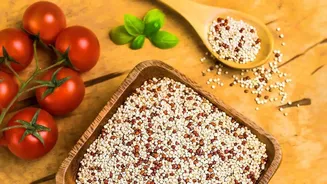
A food source is considered a "complete protein" when it contains all nine essential amino acids in adequate proportions. Most animal-based foods—such as meat, fish, dairy, and eggs—are complete proteins. This is why people who follow omnivorous diets generally don't need to think much about their amino acid intake. However, most plant-based foods, with a few exceptions like quinoa, soy, and buckwheat, are considered "incomplete." This doesn't mean they are inferior; it simply means they are low in one or more of the essential amino acids. For vegetarians and vegans, achieving a full amino acid profile requires a bit more thought, but it's surprisingly simple to do.
Grains and Legumes: A Perfect Partnership
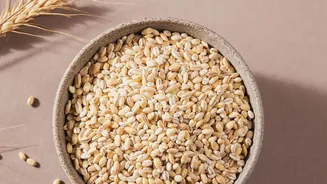
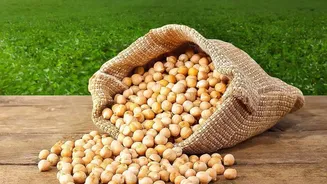
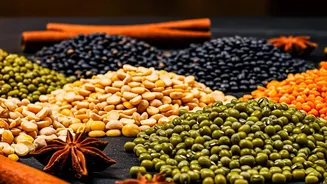
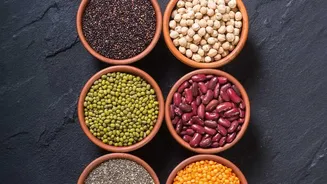
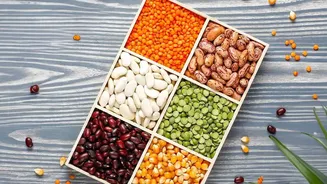
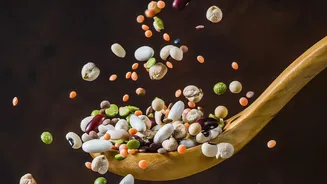
This is where the magic of combining grains and legumes comes in. These two food groups have complementary amino acid profiles. Grains, such as rice and wheat, are typically low in the essential amino acid lysine but contain higher amounts of methionine. Legumes—a family that includes beans, lentils, and chickpeas—are the opposite. They are rich in lysine but low in methionine. When you eat them together, their individual amino acid shortcomings are cancelled out. The lysine from the legumes compensates for the lack in the grains, and the methionine from the grains makes up for what's missing in the legumes. The result is a meal that provides all nine essential amino acids, forming a complete protein.
Classic Combos You Already Know and Love
The concept of combining grains and legumes might sound technical, but it’s a practice embedded in culinary traditions across the globe, especially in India. Many of our most beloved comfort foods are perfect examples of complementary proteins. Dal with rice (dal chawal) is a staple across the country, pairing lentils with a cereal grain. Rajma chawal, a North Indian favourite, combines kidney beans with rice. Similarly, eating roti or other whole wheat flatbreads with a chickpea curry (chana masala) is another classic pairing that delivers a complete protein profile. These dishes weren't designed with amino acids in mind, but they evolved as nutritionally balanced, sustaining meals.
Myth-Busting: Timing is Everything, or Is It?
An old myth, popularised in the 1970s, suggested that complementary proteins had to be eaten at the same meal to be effective. This led to a lot of stress and complicated meal planning for vegetarians. However, modern nutritional science has debunked this idea. Research now shows that the body maintains a reservoir, or pool, of amino acids from the foods you eat. As long as you consume a variety of plant-based protein sources throughout the day, your body can pull the necessary amino acids from this pool to create the complete proteins it needs. So, while a lunch of rice and beans is fantastic, having whole grain toast for breakfast and lentil soup for dinner is just as effective. The key is dietary diversity over the course of a day, not rigid combinations in a single sitting.